THE CHAIN JOURNAL
Independent Crypto Editorial

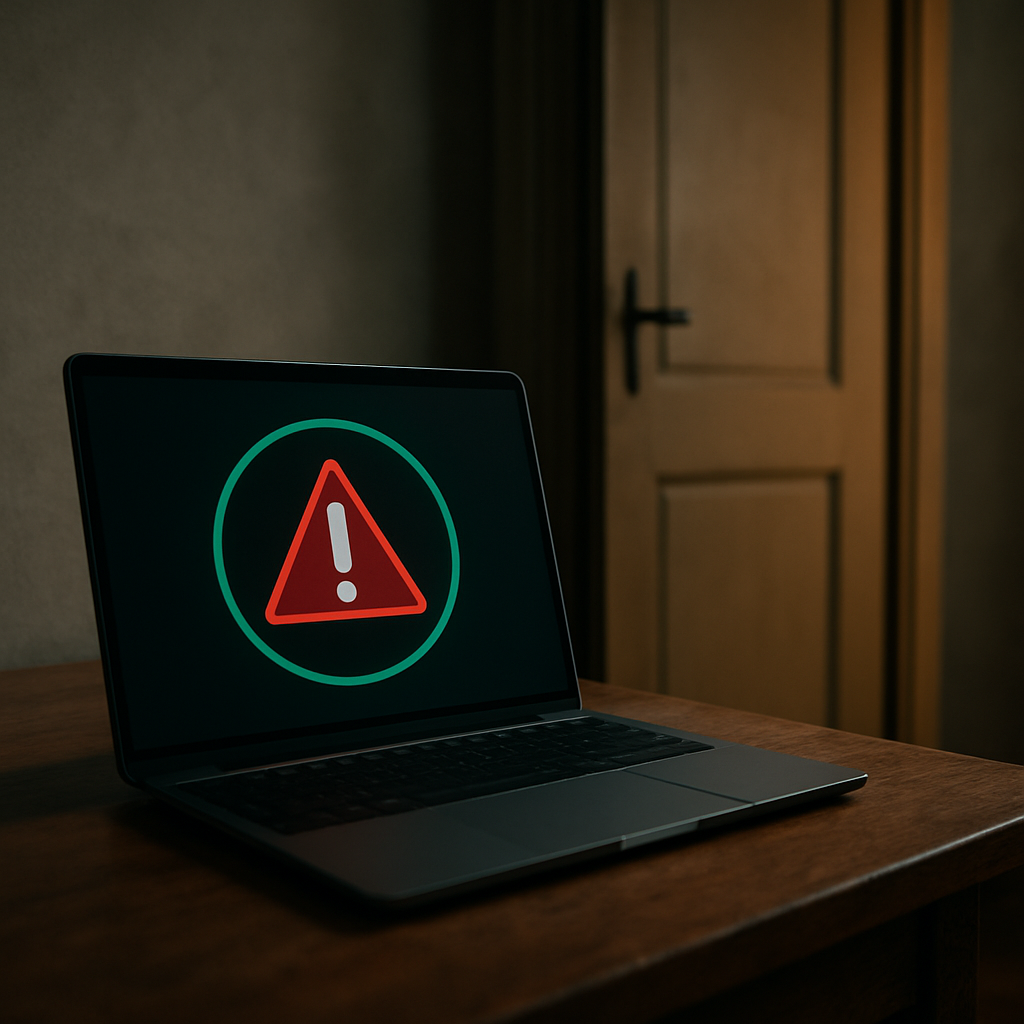
thorchain exploit recovery portal expands after a thorchain hack, sharpening fears over cross-chain custody and governance.
The thorchain exploit is more than an isolated incident – it is a reminder that cross-chain systems inherit risk from every moving part they connect. THORChain’s recovery portal gives affected users a path to revoke malicious approvals and check compensation, but the deeper story is structural. When a protocol depends on complex key management, vault rotation, and multi-chain coordination, the thorchain exploit becomes a test of operational discipline, not just code quality. For traders, LPs, and integrators, that distinction matters enormously. Markets tend to price hacks as one-off shocks. In reality, they often reveal whether a network’s design can survive repeated stress without forcing users to absorb the fallout.
The incident also arrives at a sensitive moment for the broader DeFi stack, where security failures are no longer unusual enough to shock but still large enough to distort behavior. THORChain has long marketed itself as infrastructure for native asset swaps – and infrastructure invites a harder standard. Resilience must be measurable, not assumed. The thorchain exploit now sits alongside the protocol’s earlier controversies over illicit flow routing, a pairing that underscores how usefulness and risk tend to scale together. If the recovery process runs smoothly, it may limit the reputational damage. If it stalls, the market will treat the thorchain exploit as confirmation that cross-chain liquidity remains fragile at its core.
The first concrete takeaway is that the thorchain exploit hit at least four chains and triggered a response built around approvals, refunds, and damage control rather than denial. That matters because the fastest way to contain secondary losses after a breach is to reduce user-side exposure. In a system built around threshold signing and vault churn, the attack surface does not end when the immediate drain stops – it extends into wallets, permissions, and the cleanup process itself. For a broader reference point on protocol risk and capital-at-risk metrics, readers can compare this event with liquidity conditions across crypto markets, where capital tends to flee first from venues that look operationally brittle.
The second point is that the thorchain exploit will likely reshape how counterparties assess routing risk going forward. When a protocol becomes a conduit for high-value swaps, every additional chain expands not only the user base but also the blast radius. That is precisely why the recovery portal matters less as a customer-service feature than as a signal of governance maturity. A serious incident response can preserve some trust, but it cannot erase the fact that the system failed. If the network wants to rebuild credibility, it must demonstrate that the thorchain exploit was contained, mapped, and resolved with enough transparency to satisfy users who now assume that every approval may need to be revisited.
What the market often misses is that a thorchain exploit does not simply reduce balances – it changes how participants price future uncertainty. That is especially true for protocols that market themselves as trust-minimized yet still depend on human coordination at the validator and governance layers. The tension is hard to ignore: the more decentralized the architecture sounds, the more severe the reputational penalty when a coordinated response becomes necessary. In that sense, the thorchain exploit is not purely a security event. It is a stress test for the narrative that automation alone can substitute for strong operational controls. That narrative has always been too neat.
There is also a meaningful second-order effect on ecosystem behavior. Integrators do not need to believe the protocol is permanently broken to change their routing preferences – they only need to conclude that the probability of disruption has risen. That shift can erode volume, fee generation, and liquidity depth well before any official post-mortem is published. A useful parallel comes from strong ETF inflows, where investors consistently reward cleaner execution and clearer custody assumptions. The lesson translates directly: capital gravitates toward systems that make failure easier to isolate. If THORChain cannot prove that the thorchain exploit was a bounded event, confidence may continue to leak even after the immediate funds are addressed.
The thorchain exploit should push investors to separate narrative from infrastructure quality. In the hours following a breach, markets typically react to the headline. Over time, they react to whether the protocol actually restored credibility. That makes this case worth watching closely. If the thorchain exploit proves to be a contained failure with a credible recovery path, RUNE may stabilize on improved confidence once the dust settles. If the portal merely slows panic without closing the underlying trust gap, the market will likely treat every future incident as evidence of recurring design risk rather than bad luck.
The signals worth monitoring are straightforward: the final incident explanation, whether refunds are processed without friction, and whether validators or governance bodies impose meaningful remediation. Any indication that the thorchain exploit required ad hoc social coordination rather than clean procedural recovery will carry weight. For deeper context on protocol-level risk measurement, the market can also track DeFi protocol security data as a live barometer of how quickly trust returns after a breach.
Focus: The thorchain exploit matters because it exposes how quickly cross-chain utility can turn into cross-chain fragility.
Antonio Quinn, Director & Lead Bitcoin Analyst, The Chain Journal
A weekly briefing on Bitcoin price action, Ethereum, crypto market analysis, Bitcoin ETF flows, regulation, digital assets, and the narratives shaping crypto investing.
One sharp weekly read. No daily alerts. No recycled headlines.