THE CHAIN JOURNAL
Independent Crypto Editorial

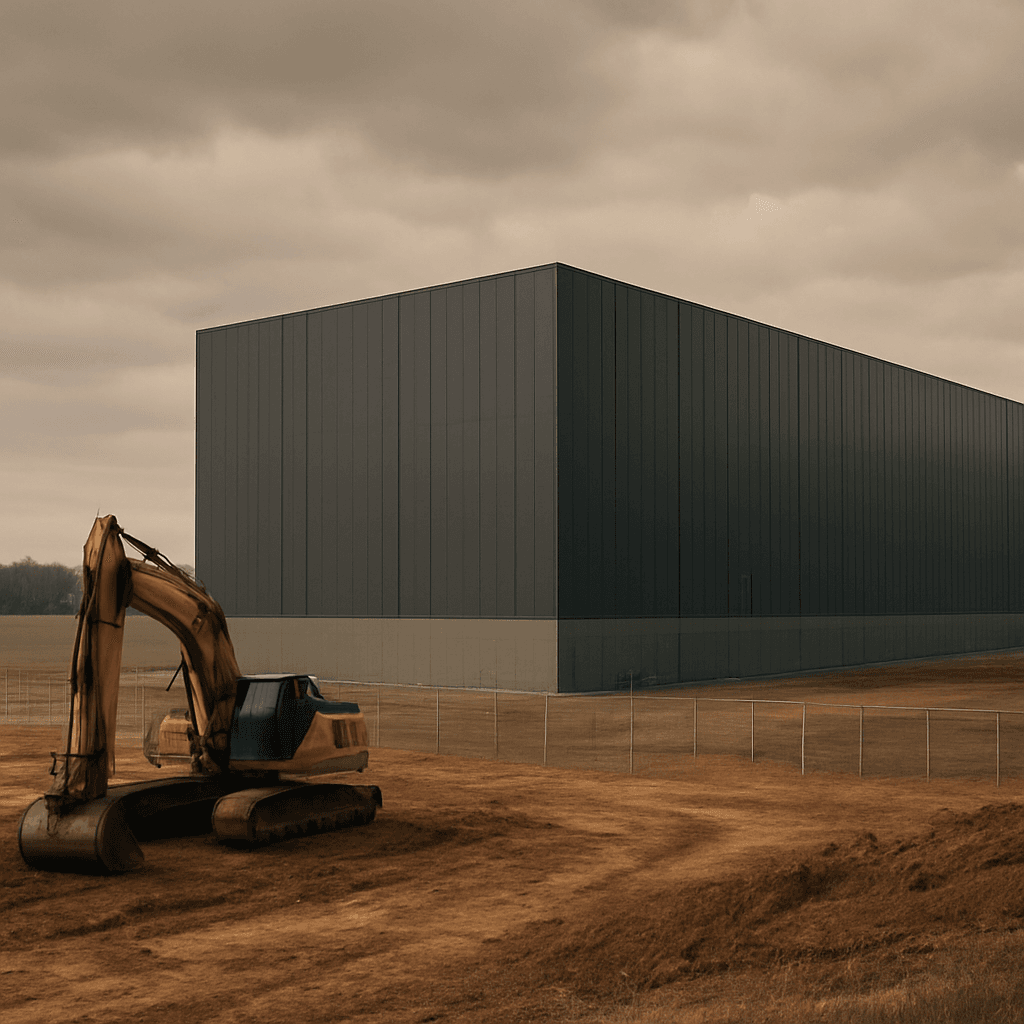
terawulf ai data center expands in Kentucky as wulf stock rises; bitcoin miner ai expansion adds a new angle to power-driven growth.
TeraWulf’s ai data center strategy just got a much bigger canvas. The company’s Kentucky acquisition adds another meaningful layer to a transition that has been building for months: a Bitcoin miner actively repricing itself as a power-and-compute infrastructure owner. Markets reacted swiftly, with WULF stock climbing on the announcement, but the headline pop isn’t the story worth watching. The real question is whether TeraWulf can convert acreage, interconnection rights, and engineering ambition into contracted cash flow at genuine scale.
For now, the move reinforces the terawulf kentucky campus thesis and extends the company’s runway well toward the end of the decade. That matters because AI infrastructure investors have shifted their focus – mining heritage carries little weight these days compared to access to power, land, permits, and credible delivery timelines. TeraWulf’s ai data center positioning sits squarely at that intersection. The company is no longer asking the market to value it as a miner; it is asking for credit as a developer with optionality. That’s a tougher sell, but potentially a far more rewarding one if the buildout executes cleanly.
The acquisition centers on a site expected to support more than 1 GW of capacity over time, with initial delivery phases now framed through a multi-year lens stretching toward 2030. TeraWulf’s ai data center plans appear deliberately designed to sequence capital rather than simply announce ambition – a distinction the market has learned to care about. Investors have grown less forgiving of grand capacity figures that arrive without visible power agreements, construction progress, and offtake commitments to back them up. The company already had a substantial multi-regional pipeline in place, and this Kentucky addition meaningfully expands the surface area for future growth.
A useful point of context is the company’s broader shift toward HPC leasing and long-duration infrastructure contracts, a move that mirrors the institutional crypto adoption trend reshaping capital allocation across the digital-asset sector. That doesn’t insulate the business from cycles, but it does explain why markets are rewarding miners that move closer to predictable infrastructure economics. The TeraWulf ai data center expansion also fits a clear pattern emerging across the sector: the operators best positioned for the next phase are the ones pairing legacy mining assets with data-center real estate, grid access, and deepening customer relationships.
The most important question isn’t whether the company can announce another campus. It’s whether investors should treat each site as a genuine earnings engine or as an option on future demand. In that sense, the TeraWulf ai data center expansion is simultaneously strategic and risky. Strategic, because it aligns with structural demand from AI and HPC users that require dense, power-intensive compute infrastructure. Risky, because the same power scarcity that makes the thesis compelling also makes execution slow and expensive. That tension is the entire investment case.
Viewed through a portfolio lens, TeraWulf is no longer simply a Bitcoin proxy. It’s becoming a hybrid infrastructure story where power access, land control, and financing discipline matter far more than hash rate rhetoric. That’s precisely why the market tends to re-rate names like this on any credible capacity milestone. The catch, of course, is that milestones don’t equal monetization. A failure to secure customers at the pace the buildout demands could leave the company sitting on a very large, very expensive asset base with limited near-term returns. For investors tracking the sector’s broader arc, the debate dovetails with Bitcoin ETF institutional flows, where capital continues to chase infrastructure narratives that look more durable than pure mining exposure.
The TeraWulf ai data center pivot hands investors a cleaner narrative than old-school mining ever could, but the valuation case still lives or dies on delivery, not branding. Markets will likely continue rewarding visible progress – site control, utility agreements, pre-construction work – while punishing any gap between promised scale and actual commissioning dates. The TeraWulf ai data center strategy also raises the stakes on balance sheet management, because every additional development phase increases the cost of proving the thesis in real dollar terms.
Three signals are worth watching closely: customer announcements, construction milestones, and whether the company can consistently translate land acquisitions into firm power commitments. As tracked by blockchain infrastructure energy analysis, infrastructure-heavy crypto names are increasingly trading like utility-adjacent growth stories rather than speculative miners. That shift means execution discipline now matters more than any promotional language a management team can offer.
Focus: terawulf ai data center is becoming a live test of whether mining-era balance sheets can genuinely support AI-era infrastructure ambitions.
Arrianna Vaz, Portfolio Strategy Analyst, The Chain Journal
A weekly briefing on Bitcoin price action, Ethereum, crypto market analysis, Bitcoin ETF flows, regulation, digital assets, and the narratives shaping crypto investing.
One sharp weekly read. No daily alerts. No recycled headlines.




