THE CHAIN JOURNAL
Independent Crypto Editorial

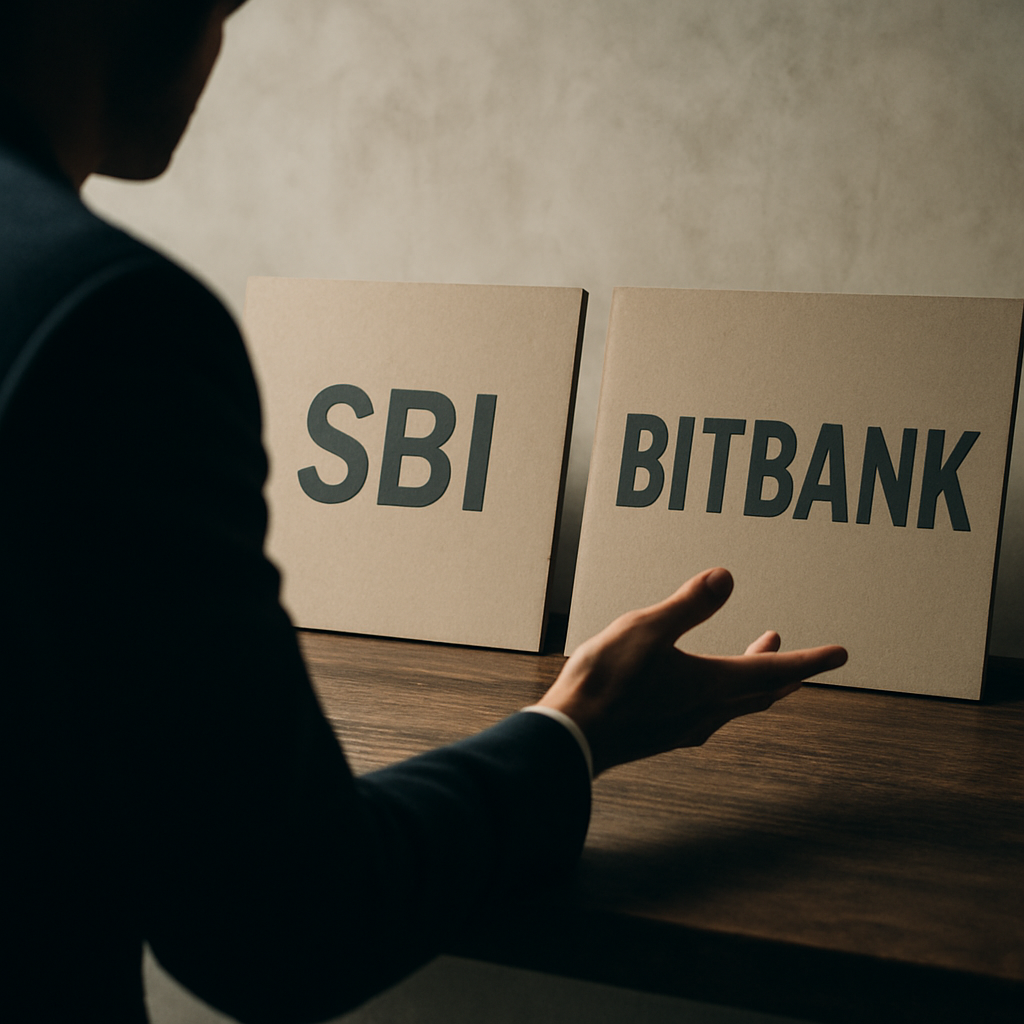
SBI Bitbank deal may reshape Japan crypto consolidation as SBI VC Trade and Bitpoint move closer to a larger exchange group.
The sbi bitbank deal matters because it is not just another M&A rumour; it is a sign that Japan’s licensed crypto exchange market is moving toward concentration around a few heavyweight groups. SBI Holdings has opened discussions to make Bitbank a consolidated subsidiary, adding another layer to a strategy that already pulled BITPoint Japan into the SBI orbit and expanded SBI VC Trade. The immediate takeaway is straightforward: scale, compliance, and distribution now matter more than exchange count. In a market where regulators have steadily clarified the rules around digital assets, size can become a defensive asset rather than a vanity metric.
For Bitbank, the logic is equally clear. Independent exchanges in Japan face a harder path if banks and securities groups keep building integrated platforms with deeper capital, broader customer bases, and tighter product funnels. SBI does not appear to be chasing a flashy headline. It looks more like a long-term attempt to assemble a crypto infrastructure stack that can survive lower-margin trading, stricter oversight, and a more mature user base.
Recent reporting indicates that SBI is already operating from a stronger domestic base after SBI VC Trade absorbed BITPoint Japan in April 2026. That move matters because it shows SBI is not waiting for the market to consolidate on its own; it is actively shaping the structure. Bitbank brings a separate brand, established liquidity, and a reputation for security that makes it a useful addition in a market where trust still carries real commercial value. If the transaction closes, SBI would gain more than another licence. It would get a broader product network, more customer entry points, and more room to cross-sell within a regulated perimeter.
Japan’s policy backdrop also helps explain the timing. The country has moved more clearly toward a framework that treats digital assets with greater regulatory seriousness, and that reduces one of the biggest historical frictions for domestic platforms. In practice, that means the exchanges most likely to win are not necessarily the loudest ones, but the ones best positioned to operate like financial institutions while still keeping crypto-native users engaged.
The strategic signal here is bigger than Bitbank itself. SBI appears to be building a vertically integrated domestic exchange group rather than a loose collection of trading brands. That approach has advantages: better capital allocation, more efficient compliance, and a cleaner route to new offerings such as tokenisation, stablecoins, and institution-facing trading products. It also creates a more durable competitive moat than price promotions or temporary volume campaigns. The market often treats exchange consolidation as a defensive story, but in Japan it may be the main growth strategy.
The risk is equally important. Consolidation can improve economics, yet it can also reduce differentiation if every platform ends up looking similar. Bitbank’s appeal has partly rested on its independent positioning and user trust. Once folded into a larger group, SBI will need to preserve that credibility while extracting synergies. The success case is not just bigger scale. It is a cleaner operating model that can hold up if trading activity softens or if regulators tighten product standards again.
For investors, the key question is not whether SBI can buy more assets. It is whether the group can turn acquisitions into a stronger earnings profile without destroying the brands it acquires. Consolidation can lift operating leverage, but only if SBI avoids the common trap of paying for scale and then smothering the acquired platform’s original user base. In our view, the more important signal is whether SBI keeps pairing exchange integration with product expansion, because that is where the long-term margin story lives.
Watch for three things next: formal deal terms, any change in Bitbank’s operational autonomy, and whether SBI links the transaction to broader initiatives in tokenisation or stablecoin distribution. If those threads come together, this stops looking like a single acquisition and starts looking like a domestic crypto platform build-out.
Focus: Japan’s exchange market is not fragmenting by accident; SBI is helping decide who survives it.
Clara Reyes, Markets & Data Reporter, The Chain Journal
A weekly briefing on Bitcoin price action, Ethereum, crypto market analysis, Bitcoin ETF flows, regulation, digital assets, and the narratives shaping crypto investing.
One sharp weekly read. No daily alerts. No recycled headlines.