THE CHAIN JOURNAL
Independent Crypto Editorial

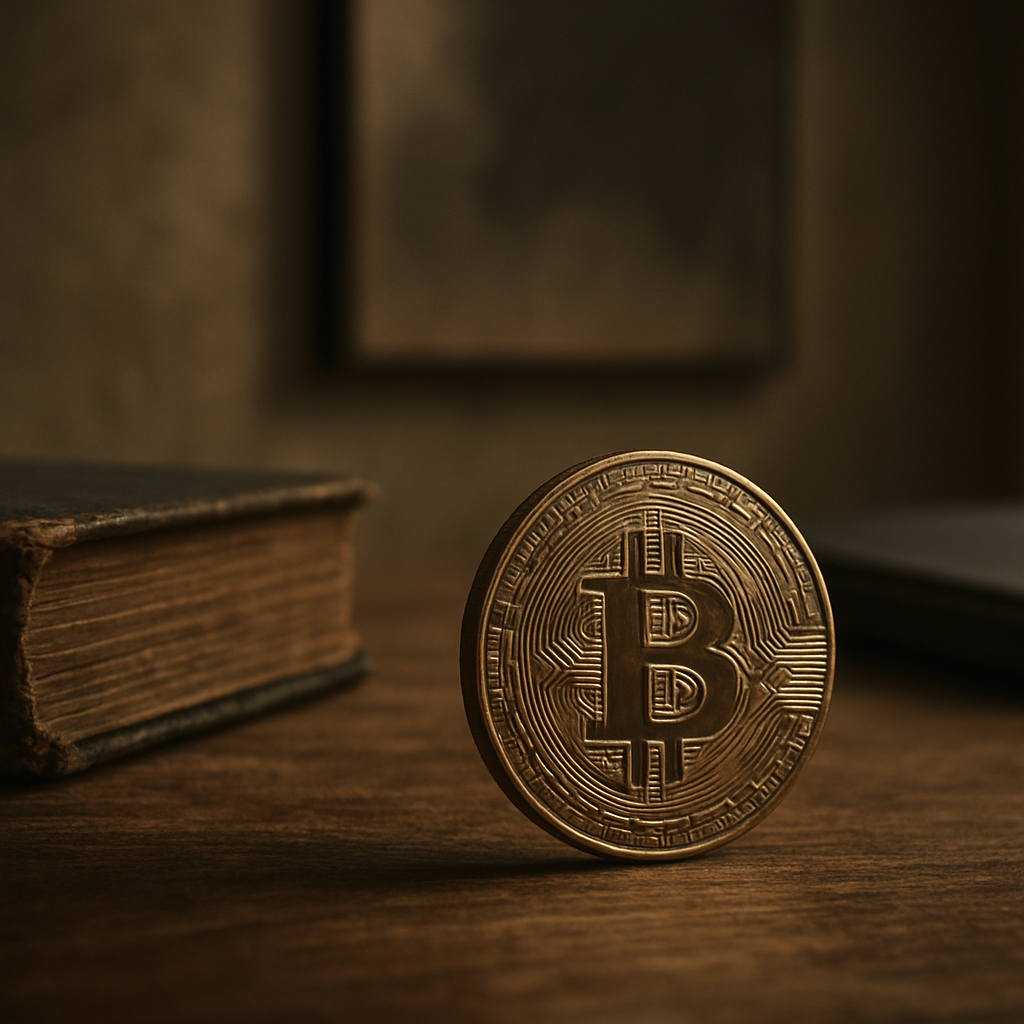
Nobitex crypto ties now face fresh scrutiny as Reuters links Iran’s top exchange to Kharrazi family networks and sanctions flows.
Nobitex sits at the center of Iran’s crypto economy, and the Reuters investigation matters because it shifts the conversation from market scale to control, governance, and sanctions exposure. The report links the exchange’s founders to the Kharrazi family, a politically connected network with ties to Iran’s leadership. That does not prove every transaction on the platform was illicit, but it does raise the compliance bar for anyone trying to assess the venue’s role in a sanctioned financial system. Recent reporting has also described Nobitex as Iran’s largest exchange by user base, with activity that continued even as internet disruptions and geopolitical shocks hit the country.
For crypto analysts, the question is not whether Nobitex existed in a difficult environment. It did. The question is whether its size, ownership, and transaction patterns made it more than a retail platform. In a market where access to dollars, stablecoins, and cross-border settlement remains constrained, exchanges can become de facto payment infrastructure. That is where the risk escalates: the exchange stops looking like a trading app and starts looking like a channel.
Reuters linked Nobitex to brothers Ali and Mohammad Kharrazi, identifying them as members of a powerful family with long-standing political ties. Other recent coverage says the exchange serves more than 11 million users, which helps explain its reach inside Iran’s domestic crypto market. Separate blockchain-analytics reporting has also pointed to heavy transaction activity around Nobitex in 2025 and 2026, especially during periods of sanctions pressure and conflict-driven volatility.
Key points from the recent reporting:
– Nobitex is widely described as Iran’s largest crypto exchange.
– The founders were linked to the Kharrazi family.
– The platform reportedly maintained activity during internet outages and heightened state pressure.
– Blockchain analytics firms have previously connected Iranian crypto rails to sanctioned flows.
– Nobitex has already faced major security disruption, including a $90 million-scale exploit in 2025, which weakened confidence further.
That combination matters. A large user base can look like adoption, but in a restricted economy it can also signal dependency. If an exchange becomes the easiest route between rials and global crypto assets, then it inherits not only trading demand but also the compliance risk that comes with quasi-banking functions.
The deeper issue is structural. Markets often assume crypto adoption in sanctioned economies is purely grassroots, a story of ordinary users looking for savings protection. That is incomplete. In Iran’s case, the data suggests a dual-use ecosystem: households seeking dollar exposure on one side, and institutional or state-linked actors seeking settlement rails on the other. That distinction changes the risk model entirely.
This also explains why Nobitex matters beyond Iran. Crypto infrastructure in sanctioned environments does not stay local. It interacts with offshore venues, stablecoin issuers, liquidity pools, and compliance teams that must decide whether exposure is acceptable. When a platform of this size is tied to politically connected ownership and alleged sanctioned activity, every counterparties’ diligence process becomes more expensive. The result is not just reputational damage. It is a possible narrowing of liquidity, tighter off-ramps, and greater scrutiny on any exchange that handles Iranian flows.
The investor lesson is simple: scale alone is not a moat when sanctions risk defines the market. Nobitex shows how a large exchange can become strategically important and operationally fragile at the same time. For investors, that means paying closer attention to compliance quality, jurisdictional exposure, and whether revenue growth depends on grey-zone activity rather than durable product-market fit. In crypto, size can hide fragility until the market, regulators, or geopolitics force it into view.
What should investors watch next? First, any new action from sanctions authorities or blockchain analytics firms. Second, whether Iranian-linked volume migrates to other venues after fresh scrutiny. Third, whether stablecoin issuers or offshore exchanges tighten controls around counterparties with Iran exposure. Those signals will matter more than headline user counts.
Focus: In a sanctioned market, the biggest exchange can be the biggest liability.
James Okafor, DeFi & Emerging Protocols Reporter, The Chain Journal
A weekly briefing on Bitcoin price action, Ethereum, crypto market analysis, Bitcoin ETF flows, regulation, digital assets, and the narratives shaping crypto investing.
One sharp weekly read. No daily alerts. No recycled headlines.