THE CHAIN JOURNAL
Independent Crypto Editorial

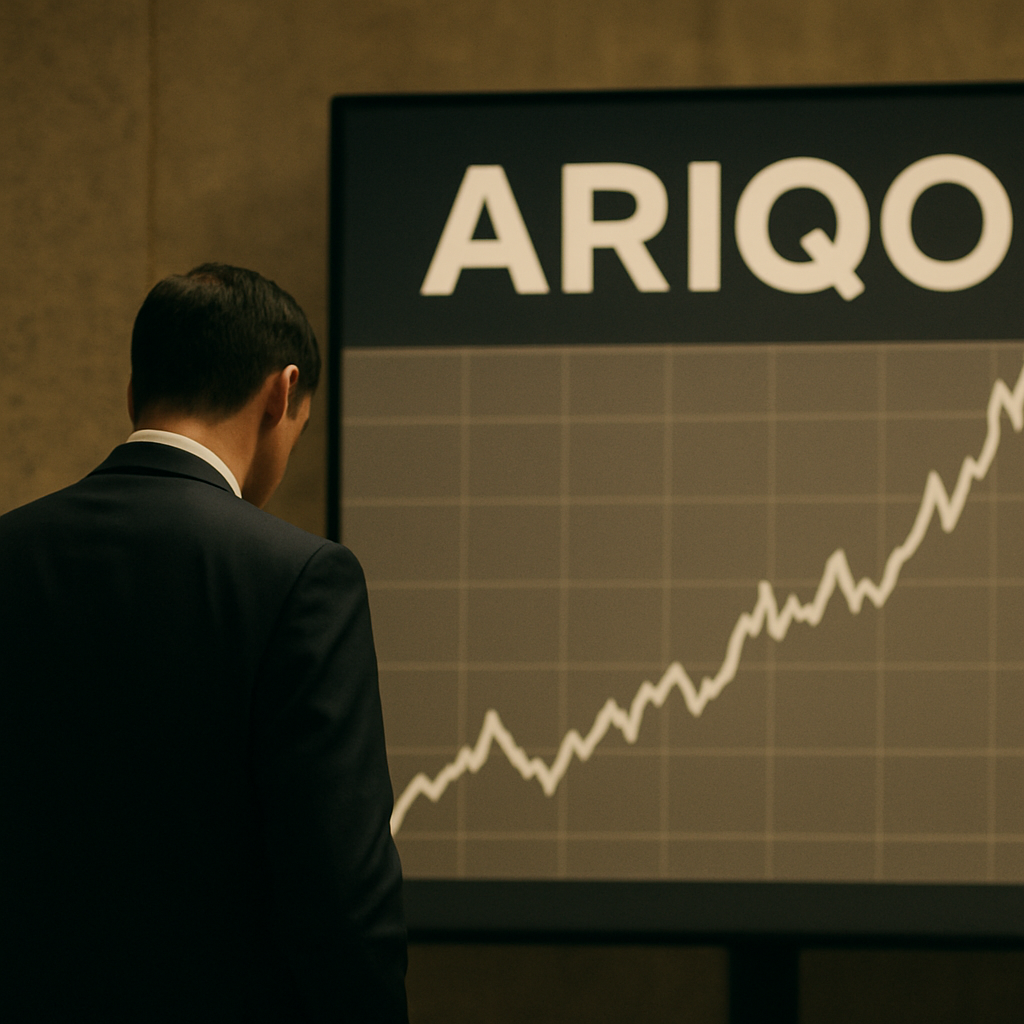
Institutional bitcoin gains a Bangkok showcase as SEABW spotlights custody, tokenization and crypto policy news around fresh ETF signals.
Institutional bitcoin rarely announces itself with fireworks; it usually arrives through custody, payments, and governance. ARIQO’s Bangkok debut at SEABW fits that pattern precisely. The private gathering, co-hosted with names tied to custody and financial plumbing, points to a market that wants credibility before it wants attention. In that sense, institutional bitcoin is becoming less about trading bravado and more about whether an on-chain platform can sit inside a regulated workflow without friction. The timing also matters: with the market still digesting swings in ETF flows and persistent price uncertainty, Bangkok offered a useful stress test for where serious capital is actually willing to look next.
What made the event notable was what it was not. Rather than a retail spectacle, it was framed around infrastructure, liquidity, and real-world asset rails – precisely where the conversation around institutional bitcoin has been migrating all year. The broader market has already seen how quickly sentiment can swing when ETF demand cools or revives. But the more durable signal is that institutions now expect better custody, cleaner settlement, and a credible path from pilot to production. Bangkok, for once, looked less like a conference stop and more like a market structure checkpoint.
Institutional bitcoin now describes a narrower, more practical thesis than the phrase once implied. It is not simply large funds buying exposure; it is the buildout of services that make allocation possible in the first place – custody, compliance, reporting, execution, and tokenized settlement. That distinction matters because price alone no longer tells the whole story. Recent flow data shows ETF demand can improve and then fade within the same quarter, while the underlying institutional conversation keeps shifting toward infrastructure that can survive multiple market regimes. In that environment, ARIQO’s Bangkok debut reads less like branding and more like deliberate positioning.
The event’s co-host mix reinforces that reading. When custody and payments firms show up alongside protocol builders, the market is usually moving from theory to implementation. That is why the current phase of institutional bitcoin feels different from the 2020-2021 cycle: the debate is no longer about whether large allocators are interested – it is about which operating model is actually acceptable. For readers tracking strong ETF inflows this quarter, the deeper question is whether those flows translate into durable mandates or short-lived tactical exposure.
Bangkok has become a revealing lens on regional crypto development because it sits at the intersection of exchange activity, policy experimentation, and cross-border commerce. SEABW has amplified that role, turning the city into a meeting point for developers, custodians, and investors who have little interest in a purely Western frame for digital asset adoption. Institutional bitcoin, in other words, is no longer a U.S.-only story. Asia is not waiting for permission to shape market structure; it is building in parallel. The result is a more multipolar institutional map, with different jurisdictions emphasizing different pieces of the stack.
That dynamic also changes how to read the token-launch narrative. A scheduled launch in the second half of 2026 gives the market time to judge whether the platform’s claims match real demand conditions rather than conference optics. If the next leg of institutional bitcoin is genuine, it will be measured by integrations, wallet flows, and counterparties – not headlines. For a broader read on positioning and sentiment, the signal often surfaces first in institutional crypto adoption data well before it shows up in price. And as tracked by crypto market news, the market continues to reward projects that can demonstrate operational depth over time.
Institutional bitcoin is maturing, but maturity does not guarantee straight-line demand. The current market is still sorting out whether ETF appetite, custody standards, and tokenization pilots can reinforce one another or will simply coexist without compounding. For investors, the key is separating strategic adoption from event-driven enthusiasm. Bangkok suggests the institutional bid has turned selective: capital now wants compliance, liquidity, and a credible operating model before it commits for the long term. That is a healthier signal than hype, even if it moves more slowly.
The things worth watching next are straightforward – second-half 2026 product milestones, custody partnerships, and concrete evidence that ARIQO can move from event visibility to actual usage. If institutional bitcoin is genuinely gaining depth, those signals will surface before any marketing campaign does. The cleanest test: whether counterparties expand exposure when price volatility rises rather than waiting for it to fall.
Focus: Institutional bitcoin now lives or dies on infrastructure quality, not narrative momentum.
Clara Reyes, Markets & Data Reporter, The Chain Journal
A weekly briefing on Bitcoin price action, Ethereum, crypto market analysis, Bitcoin ETF flows, regulation, digital assets, and the narratives shaping crypto investing.
One sharp weekly read. No daily alerts. No recycled headlines.




