THE CHAIN JOURNAL
Independent Crypto Editorial

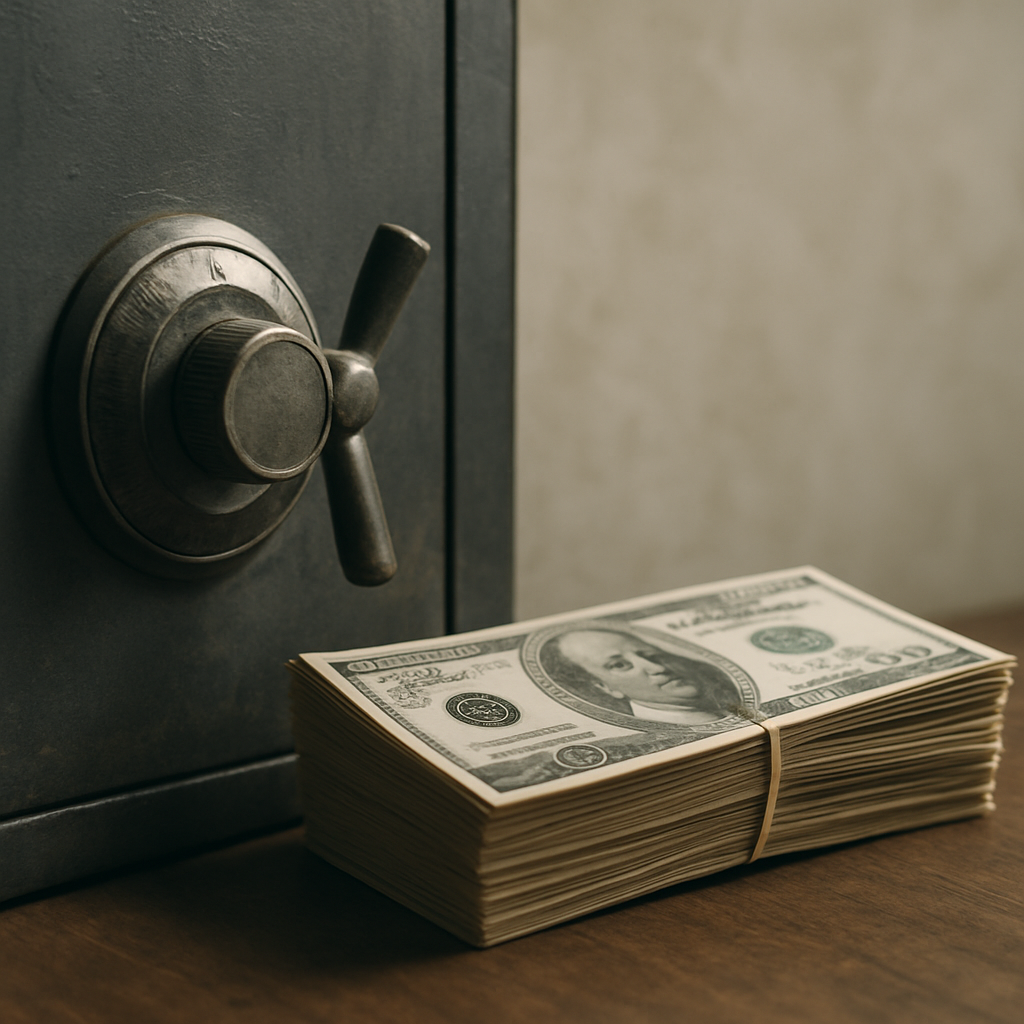
DeFi freeze rules are back in focus after the Arbitrum Kelp DAO case; governance and recovery design now matter more than slogans.
DeFi freeze has moved from a theoretical edge case to an operational tool, and that shift matters because markets now judge protocols not only by yield but by how they handle theft. Recent cases have shown the same uncomfortable truth from opposite angles: if a network can do nothing, users call it negligent; if it can lock assets, critics call it centralized. The result is a credibility problem, not a technical one. In the latest Arbitrum-related episode, emergency powers were used to isolate attacker-linked ETH, reviving the question of whether a protocol can preserve user trust without turning governance into a back door. The answer is still unresolved, but the stakes are no longer abstract.
The deeper issue is that incidents now force teams to choose between two forms of damage. One path leaves stolen funds free to move, which can deepen losses and embarrass the ecosystem. The other path creates a visible intervention that some users see as a breach of principle. That trade-off is why the debate keeps returning after every exploit. Security, finality, and governance legitimacy now sit in the same room, and they do not always agree.
The most recent high-profile case involved Arbitrum’s Security Council, which used emergency authority to move attacker-linked funds into an intermediary frozen wallet after a major exploit. Reports on the episode also noted that the frozen assets would require further governance action before they could move again. In parallel, related recovery efforts have centered on the broader cost of exploit containment, with proposals aimed at restoring losses across connected protocols rather than simply punishing the attacker. Bybit’s earlier bounty-style campaign to help freeze stolen funds also showed how exchanges, chains, and investigators increasingly coordinate when capital starts moving quickly.
The important context is that these freezes are not random acts. They usually arise after a visible exploit, when the damage path is already clear and the community wants to limit contagion. That is why the public conversation often sounds moralistic while the underlying reality looks operational. Teams are not debating philosophy in the abstract; they are deciding whether a fast intervention can prevent a larger unwind. Incident response, multi-sig authority, and governance controls now shape the market’s perception of which networks can survive stress.
The argument over whether protocols should freeze stolen funds will not end because crypto still lacks a universally accepted standard for exceptional intervention. That gap creates reputational volatility: the same action can look responsible in one case and authoritarian in another. In practice, the market rewards consistency more than ideology. If a protocol defines emergency conditions in advance and applies them narrowly, it can reduce some backlash even if it cannot eliminate it. If it improvises under pressure, users tend to read the move as arbitrary. That is where the real damage begins.
There is also a structural consequence that investors should not miss. Every successful freeze reinforces the idea that some parts of crypto already operate with a discretionary safety layer, even when the branding says otherwise. That may help recovery after an exploit, but it also changes how users price protocol risk. Permissionless design, recovery mechanisms, and credible governance are becoming competitive features, not side notes. The projects that explain their rules clearly before the next incident will likely absorb less reputational damage when the next one arrives.
The market should treat these freezes as a sign that crypto is moving toward formalized emergency management, not pure code-based autonomy. That does not make protocols weaker by default, but it does mean investors need to separate marketing language from actual control surfaces. The best-run systems will be the ones that define freeze authority, release conditions, and accountability before a crisis, not after one. That framework reduces uncertainty more effectively than vague promises of decentralization.
What to watch next is simple: governance proposals, council votes, and whether teams publish pre-agreed recovery rules after incidents. If protocols keep improvising, users will price in policy risk along with smart contract risk. If they standardize the process, the market may begin to reward predictability over absolutism.
Focus: The real trade-off is not freeze or no freeze; it is whether crypto can recover funds without sacrificing credibility.
Clara Reyes, Markets & Data Reporter, The Chain Journal
A weekly briefing on Bitcoin price action, Ethereum, crypto market analysis, Bitcoin ETF flows, regulation, digital assets, and the narratives shaping crypto investing.
One sharp weekly read. No daily alerts. No recycled headlines.