THE CHAIN JOURNAL
Independent Crypto Editorial

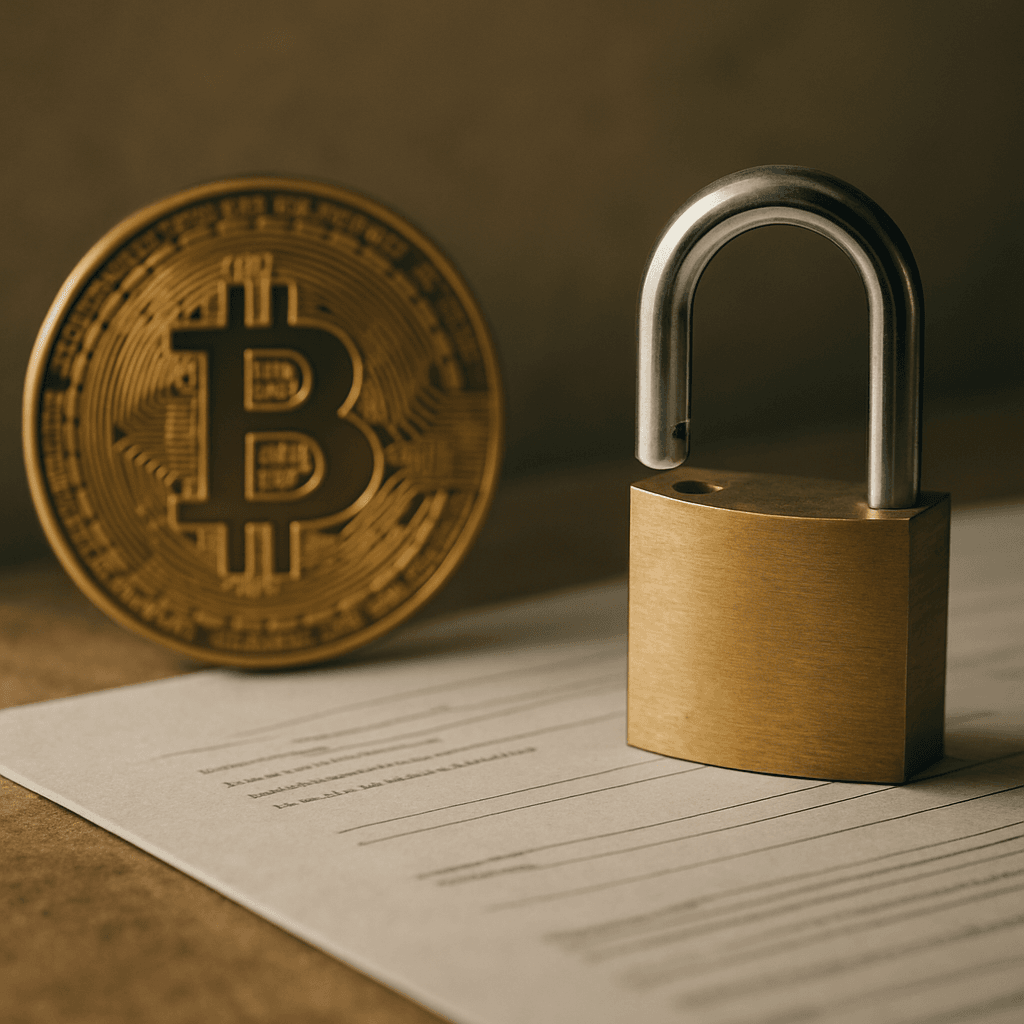
Crypto security audits face a shorter shelf life as AI cyber threats accelerate and DeFi hacks exploit old code. What investors should watch.
Crypto security audits used to function like a gate. A protocol cleared review, launched, and investors treated the result as a durable signal of safety. That model is breaking down. As ai cyber threats grow more sophisticated, attackers can scan code, chain weaknesses, and adapt faster than human review cycles allow. The result is not just more incidents — it is a shorter half-life for trust. In practice, crypto security audits now resemble a snapshot rather than a warranty, particularly when code sits live for months before markets or teams notice a flaw. The problem is compounded by the habit of reusing old contracts, forked code, and neglected admin keys, all of which widen the gap between what was reviewed and what is actually running.
The recent wave of DeFi incidents illustrates this pattern from multiple angles. Some attacks hit active protocols; others target abandoned codebases that still hold value or route funds. That distinction matters, because smart contract security is no longer just about finding bugs before launch — it is about maintaining continuous defense after launch. In that sense, crypto security audits are drifting from a compliance artifact into a living operational process, and many teams still underinvest in the operational half of that equation.
A useful way to frame crypto security audits is this: they are necessary, but no longer sufficient. The best audits still catch obvious flaws, yet they cannot fully account for human error, key compromise, governance shortcuts, or adversaries who now use AI to probe systems at scale. Recent DeFi losses have demonstrated how quickly a single weakness can cascade across liquidity pools, collateral markets, and bridge-linked assets — even when the original contract appeared sound. In one significant 2026 incident, losses propagated well beyond the first protocol and created bad debt elsewhere, proving that the blast radius can extend far past the original target. That is precisely why crypto security audits need to be paired with monitoring, timelocks, multisig discipline, and incident response rehearsals.
The broader market context is equally uncomfortable. Defunct protocols remain profitable hunting grounds because money often lingers in forgotten contracts long after development has stopped. Attackers do not need innovation to profit from that — they need patience and a long memory. Better on-chain transparency is one partial remedy. As tracked by blockchain security compliance data, exploit patterns increasingly reward persistence over sophistication. For investors, crypto security audits should be read as one input among several, not as a final verdict on safety.
AI is not magically inventing new exploit classes, but it is compressing the time between discovery and theft — and that changes the economics of defense entirely. If an attacker can test hundreds of variants in the time it once took to test a handful, a protocol that previously had weeks to respond may now have hours. This is where smart contract security becomes a systems problem rather than a code problem. That distinction matters. Code review can still reduce obvious risk, but it cannot offset weak governance, poor key management, or complacency that sets in after launch. Put differently, crypto security audits are becoming less like an endpoint and more like a checkpoint in a much longer security lifecycle.
This reality also challenges a comfortable market narrative — that open code is inherently safe code because anyone can inspect it. Transparency helps, but it also hands attackers a detailed map. Mature teams now build layered defenses, run live monitoring, and stay prepared to pause systems when conditions shift. Investors should think less about whether a project once passed crypto security audits and more about whether it still maintains the controls that make those audits meaningful. For a broader lens on protocol risk, see cryptocurrency transparency on-chain, which captures the double-edged nature of visibility in DeFi.
For investors, crypto security audits should now be treated as a starting point, not a comfort blanket. The market has shifted from static risk to adaptive risk, and nowhere is that more visible than in DeFi, where code can be copied, composability can amplify losses, and forgotten contracts can still be monetized by patient adversaries. If a team cannot clearly explain how it handles key custody, upgrade permissions, emergency pauses, and post-audit monitoring, the audit itself matters far less than the process surrounding it. That is the real filter worth applying.
The practical checklist is straightforward: fresh audit dates, live bug bounty activity, timelock implementation, and evidence that a protocol keeps shipping security updates after launch. In a year where crypto security audits are losing shelf life faster than ever, the projects worth backing will be those that prove they can defend themselves continuously — not just convincingly, once.
Focus: Crypto security audits now measure history, not immunity.
Lena Strauss, Regulation & Policy Reporter, The Chain Journal
A weekly briefing on Bitcoin price action, Ethereum, crypto market analysis, Bitcoin ETF flows, regulation, digital assets, and the narratives shaping crypto investing.
One sharp weekly read. No daily alerts. No recycled headlines.