THE CHAIN JOURNAL
Independent Crypto Editorial

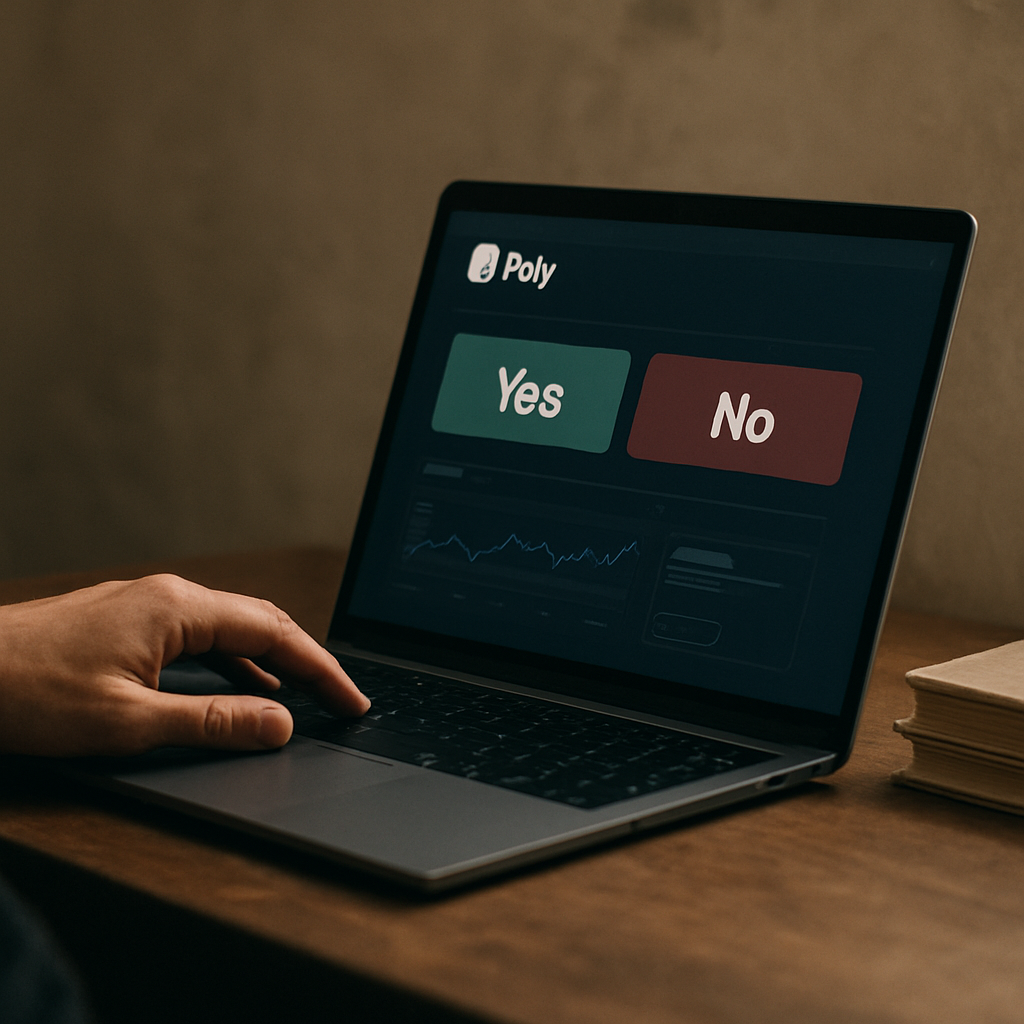
Crypto regulatory update: Polymarket KYC moves could reshape prediction markets regulation as compliance pressure and insider-trading risk rise.
Crypto regulatory update narratives often miss the real trade-off: growth now comes with a heavier institutional footprint. Polymarket’s reported exploration of mandatory user verification is not just a compliance tweak – it is a signal that the platform may be adapting to a market where regulators, counterparties, and public scrutiny all converge at once. The tension is straightforward. Anonymous participation helped prediction markets feel open and fast. But that same openness makes them harder to defend when allegations of insider activity or manipulation surface. For a platform trying to move from crypto-native curiosity to mainstream financial infrastructure, identity controls, market integrity, and regulatory credibility are no longer optional extras.
That matters because prediction markets have become far more visible just as enforcement pressure has intensified. Recent activity around Polymarket suggests a company building more guardrails at the very moment it expands its product scope. The crypto regulatory update here is not simply about one KYC policy. It is about whether a high-growth venue can maintain enough friction to satisfy regulators without killing the network effects that made it valuable in the first place. How that tension resolves will shape not only Polymarket’s product design, but also the wider playbook for prediction markets regulation across the industry.
The immediate backdrop is a market that has been drifting steadily toward professionalisation. Polymarket has already tightened its operational posture through stronger monitoring, and it has broadened its ambitions with new contract categories and infrastructure changes. At the same time, the firm has faced mounting scrutiny over abuse risks in event markets. A crypto regulatory update framed around KYC is therefore less a surprise than a continuation of a broader risk-management reset. When a platform starts thinking like an exchange rather than a message board with payouts, it eventually arrives at verification, surveillance, and dispute controls. That is precisely where Polymarket KYC becomes strategically important.
The timing is also worth noting. Prediction markets are no longer a niche side bet – they now sit at the frontier of retail speculation, political forecasting, and event-driven trading. That positioning gives them compelling product-market fit, but it also puts them squarely in the crosshairs of the same compliance expectations that apply to more established venues. Investors should read this crypto regulatory update alongside wider moves in crypto compliance news, because the direction of travel is unmistakable: more controls, tighter user screening, and far less tolerance for anonymous behavior that can’t be audited after the fact. The question is no longer whether this trend exists. It is whether Polymarket can implement it without dulling participation.
The strongest bear case for prediction markets has always been that they are too easy to misuse. Insider trading, market spoofing, and coordinated influence campaigns are easier to imagine when contracts are simple, event-based, and sometimes politically charged. That is why the current crypto regulatory update matters well beyond Polymarket itself. If regulators come to see prediction markets as a significant venue for price discovery, they will expect the same identity checks and surveillance standards that traditional platforms face. The platform’s recent push to expand its reach – through partnerships and new market verticals – makes that scrutiny more likely, not less. The old argument that crypto-native infrastructure can self-police has already lost most of its force.
This is where the broader industry story comes into focus. Prediction markets are not becoming less important; they are becoming more legible to regulators. And legibility almost always arrives with trade-offs. More verification can reduce abuse, but it can also erode the speed and openness that once set these products apart. The relevant comparison is not a casino versus an exchange – it is a high-growth market versus a supervised one. For readers tracking the policy arc, stablecoin regulation 2026 offers a useful parallel: once a crypto product starts touching mainstream users at scale, compliance tends to harden quickly.
Crypto regulatory update risk is now baked into the investment case for every serious prediction-market platform. For Polymarket, the shift toward KYC could improve long-term legitimacy – but it will also test whether its core user base tolerates less anonymity and more friction. That is the real market question. If verification proves light-touch, the platform may preserve liquidity while improving its standing with regulators. If it becomes burdensome, activity could migrate elsewhere. In that sense, crypto regulatory update dynamics will shape not only product design but competitive positioning across the sector, a point worth considering alongside the broader institutional crypto adoption wave that is pushing compliance standards higher across the board.
For investors, the key signals are clear: how aggressively the platform enforces verification, whether user growth slows following the policy shift, and whether regulators respond with clearer guidance or broader restrictions. Watch for changes in market depth, unique trader counts, and new contract launches. The next phase of prediction markets regulation will likely reward the platforms that can demonstrate they are more than just fast-growing betting venues.
Focus: crypto regulatory update now looks like a liquidity test, not just a compliance story.
Monica Ramires, Senior Markets Analyst, The Chain Journal
A weekly briefing on Bitcoin price action, Ethereum, crypto market analysis, Bitcoin ETF flows, regulation, digital assets, and the narratives shaping crypto investing.
One sharp weekly read. No daily alerts. No recycled headlines.




