THE CHAIN JOURNAL
Independent Crypto Editorial

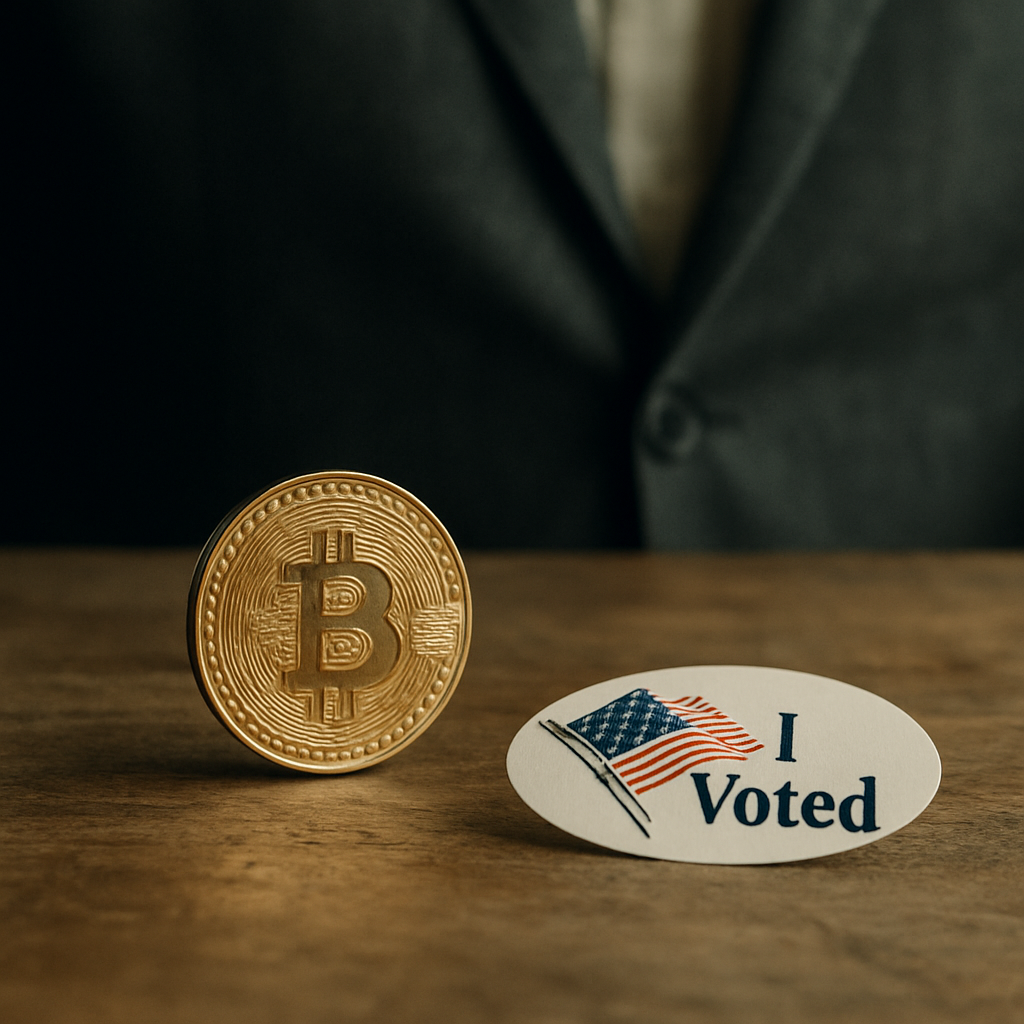
crypto regulation 2026 meets Texas runoff politics as crypto policy news and crypto political spending reshape who gets to write the rules.
Crypto regulation 2026 is no longer being shaped only in committee rooms. In Texas, it is increasingly being shaped at the ballot box, where crypto-aligned money helped tilt key primary runoffs and exposed how quickly digital-asset lobbying has become electoral infrastructure. That matters because the people who win these low-turnout contests often arrive in Washington with a clearer sense of who paid for the message. In a cycle where turnout is thin and margins are narrow, crypto political spending can carry outsized leverage – and the result is not just friendlier rhetoric. It is a better chance of securing access, hearings, and eventually real text on a page.
The bigger story is that crypto policy has matured from a niche issue into a practical test of coalition-building. In Texas, the industry backed candidates on both sides of the aisle – less a contradiction than a calculated strategy. It wants a bench of lawmakers who will prove useful when the next round of bitcoin government policy gets written. That approach is already visible across broader crypto policy news, and it signals that the industry now views political durability as seriously as market liquidity.
The immediate Texas result was unambiguous: crypto-backed candidates won important contests, including a Republican runoff and a Democratic runoff in a state that now sits at the center of the national crypto map. The scale of spending was large enough to move the needle even in a high-cost political environment, with industry-linked groups reportedly deploying millions across several races. The Texas 18th District stood out most for the narrative – crypto-friendly messaging helped unseat a long-time incumbent. The Republican Senate runoff told a similar story, where outside spending and issue alignment reinforced the idea that digital assets are now a live political asset, not a fringe talking point. (apnews.com)
That fits a broader pattern in which crypto money prefers leverage over ideology. The industry has learned it does not need every candidate to be a maximalist – it needs enough lawmakers who will not treat the sector as a default enemy. The practical implication for crypto regulation 2026 is that future bills are more likely to emerge from negotiated guardrails than from blunt restrictions. For readers tracking bitcoin government policy, the key signal is not which party carries every race, but whether the eventual coalition includes lawmakers who understand market mechanics well enough to avoid unintentional sabotage. (axios.com)
The Texas results also illuminate a structural shift: campaign finance is becoming a policy preview. A candidate who benefits from crypto money before taking office is far more likely to view the industry as a legitimate stakeholder once in office. This is not about buying votes in any crude sense – it is about building a durable network of legislative familiarity. In that respect, crypto regulation 2026 is already being drafted indirectly through donor alignment. The industry has moved well beyond defensive lobbying and into the selective shaping of candidate quality. That is a more sophisticated game, and it is difficult to unwind once it takes hold. That should concern both critics and casual supporters of the sector alike.
There is also a market implication that most crypto policy news coverage tends to overlook. Regulatory uncertainty is not merely a legal risk – it is a valuation input. When political spending narrows the probability of hostile legislation, it can improve the discount rate investors apply to future cash flows, particularly for exchange-linked businesses, stablecoin infrastructure, and tokens tied to institutional adoption. That is why attention to crypto regulation 2026 cannot stop at election-night headlines. The deeper question is whether Texas becomes a template for how the industry buys optionality in Washington, one race at a time. For context on the market side of that dynamic, strong ETF inflows continue to shape how policymakers and issuers alike think about demand. (theblock.co)
If Texas is a model, it is one of disciplined persistence rather than loud advocacy. Crypto groups did not simply flood a single race – they distributed resources across multiple contests, concentrating money where they expected the highest return on influence. That is the same logic that has governed other issue-lobby campaigns for years, but crypto now has the capital to operate like a permanent player. For crypto regulation 2026, the lesson is straightforward: the industry wants to be inside the room before the room starts deciding. Being there from the beginning is far more effective than scrambling to react once legislation has already hardened.
The more consequential outcome is that lawmakers may begin treating crypto as a normal industry constituency, comparable to energy, banking, or telecom. Once that shift takes hold, the entire tenor of debate changes. The sector stops being discussed primarily as a compliance problem and starts being framed as an economic bloc with jobs, capital formation, and statewide fundraising reach. That evolution is already visible in crypto policy news, and it will matter most when Congress moves from campaign slogans to statutory language. For a useful frame on how political dynamics and market structure intersect, see crypto regulation news 2026 alongside the latest filing behavior at SEC crypto regulation. (apnews.com)
Crypto regulation 2026 is now a capital-allocation story as much as a legal one. Investors should read the Texas runoffs as evidence that the industry can still purchase relevance where turnout is low and attention is fragmented. That does not guarantee friendly rules, but it meaningfully improves the odds that future bitcoin government policy will be negotiated rather than imposed. In markets, that distinction is significant. Negotiation typically produces slower change, but it also reduces the chance of a blunt shock that reprices the entire sector overnight. The more crypto money can shape candidate pipelines, the more predictable the policy risk premium becomes.
The signals worth watching are straightforward: committee assignments, bill sponsorships, and whether newly backed lawmakers quickly adopt market-friendly language on custody, stablecoins, and market structure. Also watch whether Texas-style crypto political spending migrates into other swing-state primaries. If it does, crypto regulation 2026 will increasingly reflect who the industry helped elect long before the general election ever began.
Focus: Crypto regulation 2026 is being decided by campaign strategy as much as by legislation.
James Okafor, DeFi & Emerging Protocols Reporter, The Chain Journal
A weekly briefing on Bitcoin price action, Ethereum, crypto market analysis, Bitcoin ETF flows, regulation, digital assets, and the narratives shaping crypto investing.
One sharp weekly read. No daily alerts. No recycled headlines.




