THE CHAIN JOURNAL
Independent Crypto Editorial

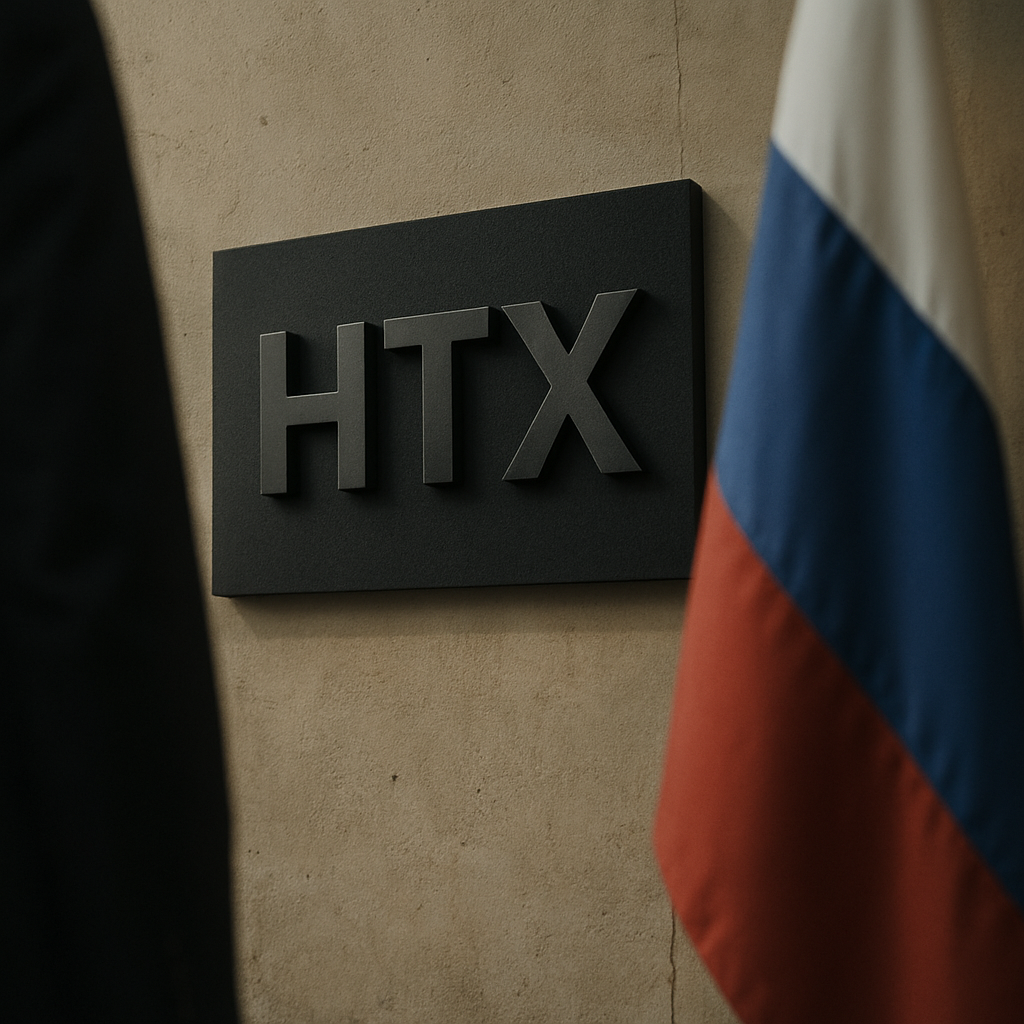
crypto regulation 2026 tightens as HTX is sanctioned; crypto policy news now carries bigger sanctions risk and bitcoin legal pressure.
crypto regulation 2026 is no longer a question of exchange licensing alone. It now reaches deep into the plumbing of cross-border payments, sanctions screening, and the political risk attached to where liquidity moves. The UK’s decision to sanction HTX, formerly Huobi, signals that regulators are treating a major venue not merely as a trading platform but as a potential conduit inside a broader Russian evasion network. That distinction matters – sanctions policy increasingly tests whether crypto is simply a settlement rail or an asset class with its own compliance perimeter. In practice, that line keeps narrowing, and crypto policy news is becoming a direct market variable rather than a legal footnote.
HTX occupies an awkward category: big enough to matter, opaque enough to attract scrutiny, and politically exposed enough that reputational damage can travel far faster than formal legal remedies. For traders, the immediate concern is not ideology but counterparty risk. Any venue linked to enforcement action can face rapid de-risking by banks, payment partners, and market makers. That is precisely why crypto regulatory update headlines have moved beyond abstract policy into questions of execution risk. In a market still fixated on volume rankings, sanctions exposure is becoming a more durable measure of exchange quality than user counts alone.
The UK move follows a broader hardening of sanctions posture, with officials explicitly targeting networks “exploited by Russia to circumvent UK sanctions” and crypto-linked channels moving substantial value. The current approach is markedly more aggressive than the reactive tone that defined earlier cycles. The sanctions architecture now targets entities, banks, and infrastructure that connect payments into Russia’s economy – and the exchange angle sits at the center of that effort. Meanwhile, the UK has continued refining its Russia sanctions guidance and compliance rules through 2026, a clear signal that enforcement is becoming more procedural, not less. That is the real crypto regulation 2026 story: the rulebook is tightening while the list of named touchpoints keeps expanding. (gov.uk)
For HTX, the strategic problem is that sanctions designations rarely stay contained. They erode access to fiat rails, compliance vendors, and counterparties – sometimes undermining an exchange’s ability to sustain ordinary business operations altogether. The wider lesson is that bitcoin legal and broader crypto compliance risk now travel through infrastructure dependencies, not just through token-specific policy debates. Investors should also note that the UK has spent much of 2025 and 2026 widening its sanctions focus across Russia-linked crypto networks, so this is not a one-off headline but part of a deliberate pattern. For context on how markets absorb policy shocks, the dynamics closely resemble earlier liquidity-driven risk repricings, as discussed in our crypto regulation news 2026 guide.
Yes – and that is the uncomfortable conclusion for exchanges that still sell scale as their primary moat. The market used to reward reach first and compliance second. That order is reversing. When a platform is named in a sanctions action, the cost is not purely legal; it is commercial. Brands lose distribution, partners grow cautious, and users begin questioning whether deposits and withdrawals will remain frictionless. That is why the practical meaning of crypto regulation 2026 is a structural repricing of trust, forcing the market to distinguish between liquidity that looks deep and liquidity that is actually durable.
The broader implication is that sanctions compliance is becoming a genuine competitive advantage. Exchanges that invest early in controls, transparency, and jurisdictional segmentation may appear slower in the short run, but they are far better positioned to survive. Those that chase growth across sensitive corridors will keep meeting the same wall. The UK’s enforcement posture, tracked through the official sanctions framework at OFAC sanctions compliance, illustrates just how quickly political risk translates into operational risk. For investors, that means the next wave of crypto policy news will matter less for its rhetoric and more for what it reveals about counterparties, banking access, and the uninterrupted ability to move capital. Those interested in the broader relationship between geopolitical pressure and digital assets will find further context in our coverage of geopolitical risk and Bitcoin.
crypto regulation 2026 is shifting the investable universe from “which exchange is largest?” to “which exchange can survive scrutiny?” That is a harder question – but a far more useful one. HTX’s sanctioning suggests that size alone no longer insulates a venue from state action when geopolitical enforcement becomes the priority. In that sense, crypto regulation 2026 is not simply about punishment; it is about forcing the market to price compliance as a core asset rather than a box-ticking exercise.
Investors should watch for three signals: banking relationships, jurisdictional withdrawals, and whether other exchanges begin tightening regional access around Russia-linked flow. If those changes spread, the sector will be transitioning from permissive growth to selective containment – and that would represent a meaningful crypto regulatory update for anyone still treating exchange risk as a secondary concern.
Focus: crypto regulation 2026 is now a balance-sheet issue, not just a legal one.
James Okafor, DeFi & Emerging Protocols Reporter, The Chain Journal
A weekly briefing on Bitcoin price action, Ethereum, crypto market analysis, Bitcoin ETF flows, regulation, digital assets, and the narratives shaping crypto investing.
One sharp weekly read. No daily alerts. No recycled headlines.