THE CHAIN JOURNAL
Independent Crypto Editorial

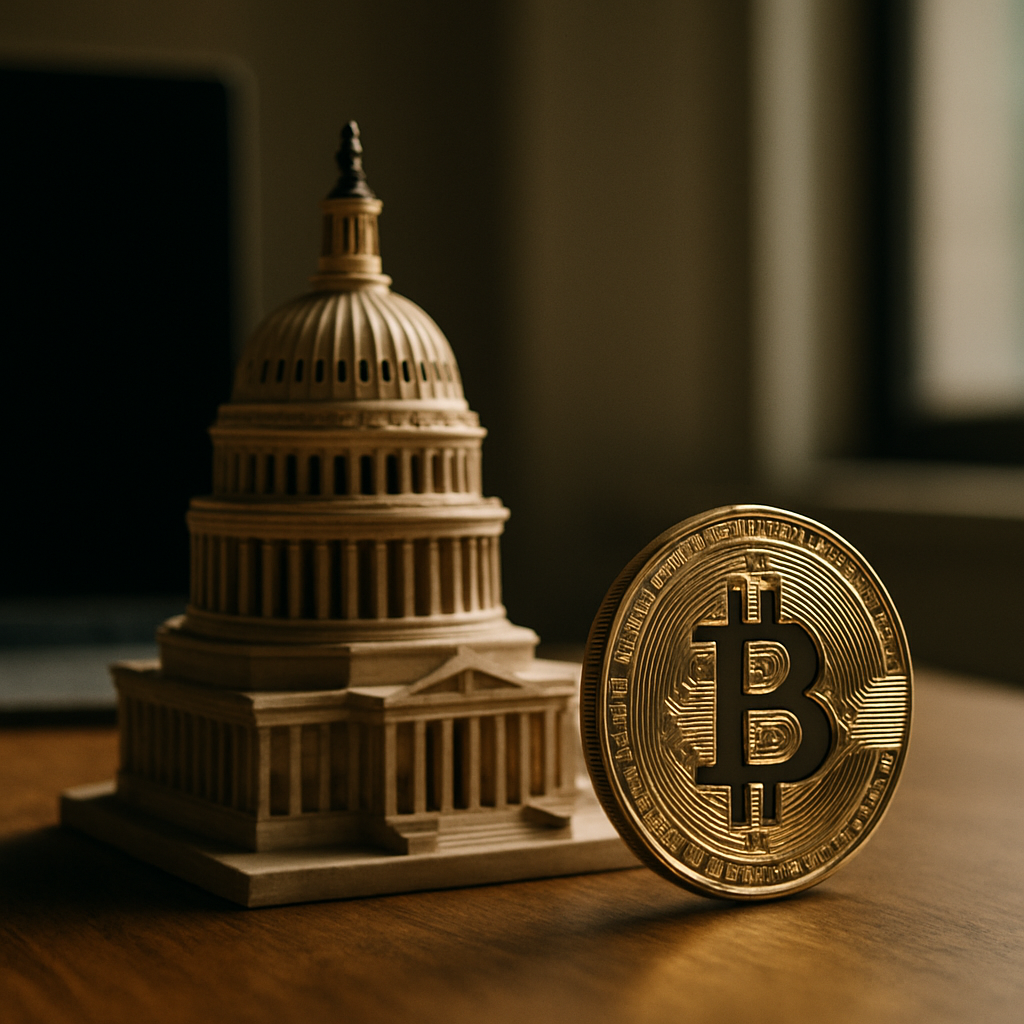
Crypto regulation 2026 is being shaped by crypto political spending, and the money trail shows Republicans still get the bigger check.
Crypto regulation 2026 is increasingly a question of political allocation, not just policy design. The industry likes to present itself as bipartisan, but its spending pattern tells a different story: the biggest checks still land with Republicans, especially in races where congressional control can shape the next round of market rules. That matters because money buys access long before it buys legislation, and the sector has already learned that a few strategically placed victories can protect far more value than broad but vague goodwill. In practice, crypto political spending is now embedded in the regulatory pipeline – not a footnote to it. For investors, the takeaway is straightforward: policy risk isn’t disappearing; it’s being priced more selectively.
The deeper issue is that crypto has shifted from defensive lobbying to pre-emptive influence. That move changes the market’s odds in meaningful ways. When a sector concentrates its spending on one party, it doesn’t just reveal a preference – it signals where it expects leverage to actually work. The result is a regulatory map that may sound balanced in public statements but skewed in execution. That asymmetry goes a long way toward explaining why crypto policy news keeps cycling through the same themes: stablecoins, market structure, enforcement, and who gets to define “compliance” before the next election cycle locks the field in place.
Recent fundraising patterns show why crypto regulation 2026 has become inseparable from campaign strategy. Political committees tied to the industry have assembled substantial war chests for the current cycle – one prominent super PAC ecosystem alone has taken in well over $100 million, with total industry-linked spending running into the hundreds of millions by aggregate estimates. A recent review of campaign finance data shows Republican candidates and causes receiving far more support than their Democratic counterparts, and by a wide margin. Democrats aren’t ignored entirely, but the numbers make clear where the sector sees its best return on capital. The logic isn’t unlike what drives strong ETF inflows in concentrated bursts: when conviction is high enough, capital follows a single thesis.
There’s also a tactical rationale behind the tilt. Republicans currently offer the clearest path to lighter-touch rulemaking, friendlier agency appointments, and a more measured enforcement posture. That makes bitcoin political risk less about any single piece of legislation and more about institutional drift over time. The industry isn’t betting on one election; it’s trying to shape the personnel, committee chairs, and regulatory atmosphere that determine what “acceptable” crypto activity looks like going forward. Understood that way, crypto regulation 2026 is really a fight over the operating environment – not a fight over any one bill.
The common narrative holds that crypto buys influence wherever it can find it. That’s only half the story. The sharper reading is that it buys influence where marginal gains are highest – and right now, Republican offices appear to offer exactly that. This isn’t ideology; it’s portfolio construction. The industry is behaving the way any concentrated political investor would: overweighting the path most likely to preserve upside and reduce enforcement friction. A useful reference point is the ongoing conversation around crypto regulation news 2026, where markets have repeatedly shown they react less to headlines than to the probability that any given rule will actually stick.
The SEC remains central to this calculus. Even when Congress floats compromise language, the agency’s posture alone can determine whether a token, platform, or staking model becomes a compliance project or a prolonged legal fight. As tracked through SEC regulation enforcement, the data makes clear the sector still has to price in litigation risk – not just election-cycle rhetoric. That’s precisely why the industry’s spending map carries so much weight: it functions as a leading indicator of which rules it expects to live with, and which ones it’s counting on avoiding.
Crypto regulation 2026 deserves to be read as a market signal, not merely a policy story. Any serious risk memo lands at the same conclusion within the first few lines: the industry’s political money still leans Republican, and that lean shapes how investors should think about timeline, enforcement exposure, and narrative volatility. If the next wave of legislative and agency action remains friendly to the industry, then valuation multiples for compliant exchanges, payment rails, and large-cap bitcoin positions can hold up far better than the market’s more speculative edges. But if the political bargain frays, crypto regulation 2026 could turn from a structural tailwind into a meaningful discount-rate problem – and quickly.
The most important signals to track aren’t polling numbers. Watch committee markups, agency appointments, and whether the industry’s spending begins to broaden beyond defensive races into sustained support for lawmakers positioned to actually write the rules. Watch, too, whether that spending stays concentrated in Republican contests or starts to diversify as midterm risk sharpens. The answer will reveal whether crypto political spending remains a tactical trade or is hardening into something more durable – a genuine policy machine with staying power.
Focus: Crypto regulation 2026 is becoming a test of how far money can bend policy before policy bends back.
Monica Ramires, Senior Markets Analyst, The Chain Journal
A weekly briefing on Bitcoin price action, Ethereum, crypto market analysis, Bitcoin ETF flows, regulation, digital assets, and the narratives shaping crypto investing.
One sharp weekly read. No daily alerts. No recycled headlines.




