THE CHAIN JOURNAL
Independent Crypto Editorial

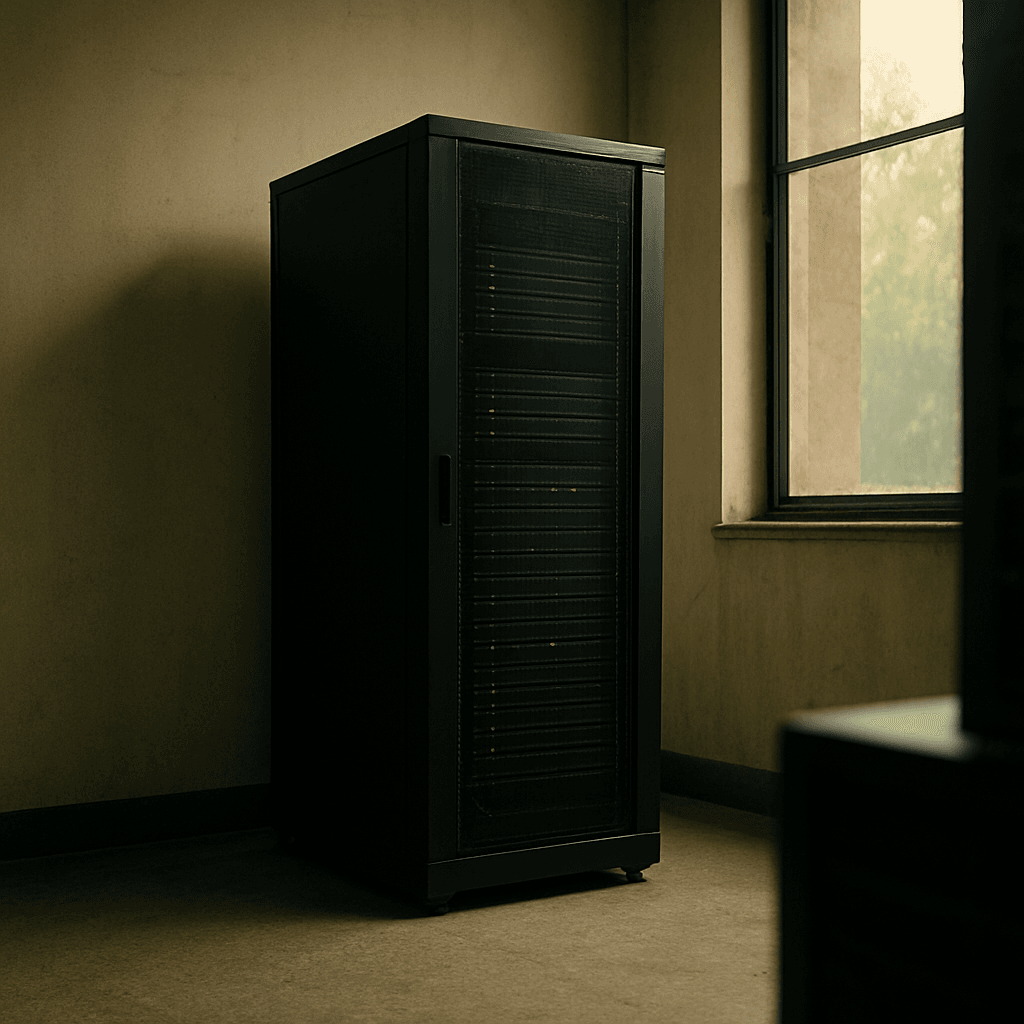
bitcoin miner AI data center deal lifts CleanSpark shares as Georgia data center lease reframes the bitcoin mining to AI pivot.
The market’s reaction to CleanSpark tells a useful story: investors did not simply cheer a large lease – they re-priced the company’s optionality. A bitcoin miner AI data center story now carries real credibility when it arrives with contracted revenue, a named campus, and a multi-year operating horizon. CleanSpark shares jumped sharply after the company disclosed a 20-year agreement tied to its Sandersville, Georgia site, and that move matters because it pulls the discussion away from speculative pivot language and toward actual monetization of power, land, and interconnects. The market is no longer paying only for hash rate. It is starting to pay for a platform.
That shift has been building for months. CleanSpark has increasingly described itself as a data center developer rather than a miner, and its filings reflect a portfolio spread across multiple states with a growing emphasis on HPC and AI workloads. For a bitcoin miner AI data center thesis, the important point is not branding. It is that the company appears to be converting legacy mining infrastructure into something hyperscalers can actually rent. That distinction is structural – rental income carries visibility that block rewards never will.
At the center of the announcement is a Georgia data center lease spanning 20 years and implying roughly $6.6 billion in contracted revenue. The company also flagged extension options, suggesting the asset could remain relevant well beyond its initial term if construction and power delivery hold to schedule. That headline figure is significant, but the more telling number may be the site’s scale: approximately 175 MW. For a bitcoin miner AI data center, that kind of power envelope is the scarce input – not the finishing touch. Scarcity is precisely what gives the lease its value.
CleanSpark’s most recent public results were already pointing in this direction. The company reported long-term debt of around $1.8 billion in its fiscal Q2 2026 results, which means the market should not read this lease as a straightforward windfall. It is a funding story as much as an operating one. CleanSpark is trying to bridge from a volatile mining cash-flow model toward something more contractual and infrastructure-oriented – and doing so while the broader market continues rewarding AI capacity. As tracked by crypto market prices, the sector still trades heavily on narrative, but the winners increasingly need tangible assets underneath the story.
The easy reading is that a bitcoin miner AI data center operator has found a cleaner, higher-multiple business and will glide smoothly from one market into the other. That is too neat. The harder reading is that CleanSpark is absorbing the full economics of a developer: capital intensity, construction risk, utility timing, equipment procurement, and tenant concentration. The company does not just need demand. It needs execution – and it needs financing that can survive delays, because lease value only becomes real if the site comes online on time and the counterparty keeps paying.
That is where broader industry context becomes relevant. The AI buildout has pulled power-rich assets into an entirely new bargaining regime, particularly in places like Georgia where grid access, land, and permits can ultimately prove more valuable than the miners who first assembled them. In that sense, the company’s move rhymes with the argument we’ve made in our coverage of strong ETF inflows: capital keeps chasing the most liquid, scalable expression of demand. Here, though, the expression is not a fund wrapper but a utility-backed campus. And as explored in our work on institutional crypto adoption, the market consistently rewards firms that make digital exposure legible to mainstream capital.
For investors, the cleanest takeaway is this: CleanSpark has transformed a bitcoin miner AI data center narrative into a measurable asset story – but not yet a de-risked one. The lease expands revenue visibility while simultaneously increasing dependence on construction milestones, project financing, and a tenant the market still cannot name. That combination can support valuation expansion, but it also creates a new and distinct form of operating leverage. If execution holds, the upside is more durable than any pure mining cycle. If it slips, the market will quickly remember how costly infrastructure projects become when timing breaks.
The signposts worth watching are clear: construction progress at Sandersville, the terms of any new financing, and whether CleanSpark can continue translating power inventory into contracted AI and HPC revenue. Investors should also pay attention to how much detail the company volunteers on delivery timing and tenant economics – that disclosure, or the absence of it, will determine whether this announcement is the first of several leases or a singular reset. The bitcoin miner AI data center thesis only holds if the pipeline keeps converting.
Focus: The bitcoin miner AI data center trade is no longer theoretical; the market now wants contracts, not promises.
James Okafor, DeFi & Emerging Protocols Reporter, The Chain Journal
A weekly briefing on Bitcoin price action, Ethereum, crypto market analysis, Bitcoin ETF flows, regulation, digital assets, and the narratives shaping crypto investing.
One sharp weekly read. No daily alerts. No recycled headlines.