THE CHAIN JOURNAL
Independent Crypto Editorial


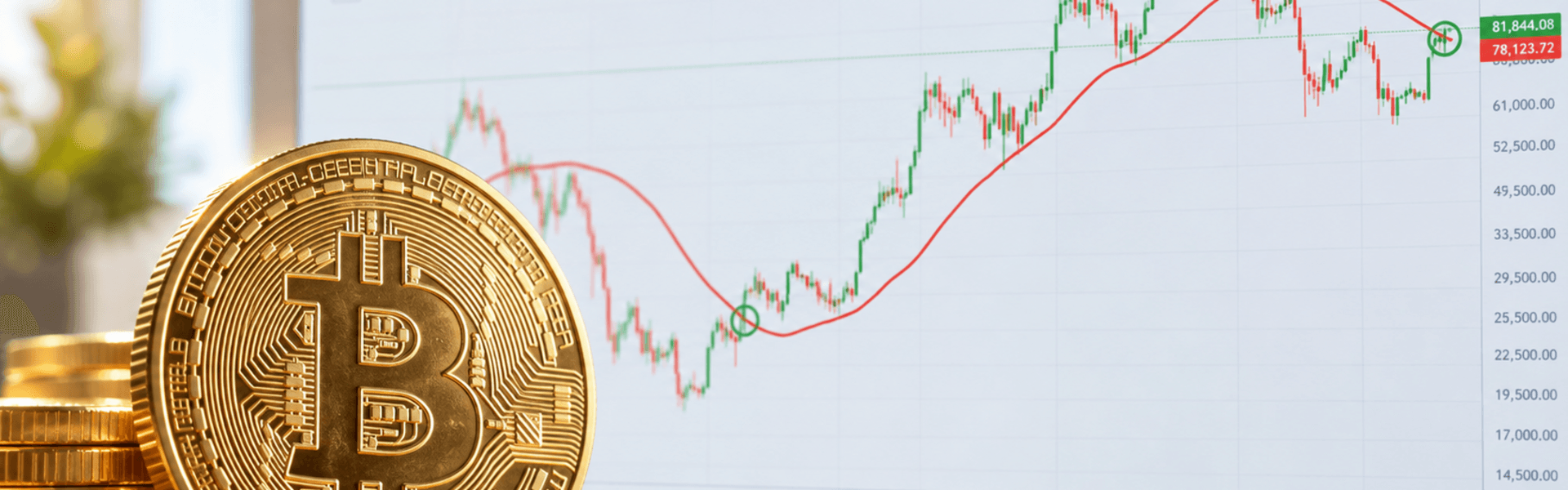
Bitcoin broke above $84,000 on September 21, its highest level since late January. By Monday it had slipped back to roughly $82,958, pressured by a strong dollar, rising bond yields, and oil climbing on Iran tensions. Neither move, taken alone, tells you much. Together, they’re the whole story behind this Bitcoin Q4 2026 outlook.
Because underneath that back-and-forth sits something that hasn’t happened once in thirteen years: Bitcoin is on track to close September in the green, right after a 25% August gain — a pattern that has never once followed through this way since 2013. That streak alone is why this Bitcoin Q4 2026 outlook starts from a stronger base than most people assume. (coindesk.com)
On paper, mid-September should have been rough for bitcoin, and rough for any Bitcoin Q4 2026 outlook built on cheap money. The Federal Reserve raised rates a quarter point to 3.75%–4% on September 16 — its first hike since 2023, passed 12-0, with a hawkish dot plot signaling one more hike could still come this year. Two days earlier, the CLARITY Act, the crypto market-structure bill, had failed a Senate procedural vote 50-49. (kucoin.com)
Instead, bitcoin rallied 13% in the days that followed. The explanation isn’t that traders decided a rate hike and a failed bill were secretly good news. It’s that both events ended a period of not knowing, and funds had been sitting on the sidelines specifically because of that uncertainty. (finance.yahoo.com)
Institutional funds had pulled back hard ahead of the CLARITY Act vote, unwilling to add exposure while a bill that could reshape crypto’s regulatory footing was still undecided. The moment it failed — a clean, if disappointing, resolution — that specific reason to stay out disappeared.
The rate hike worked similarly. The 2-year Treasury yield peaked at 4.76% on September 18 and 21 — bitcoin’s two strongest up days of the month. Fundstrat’s Tom Lee put the logic plainly: the Fed, having just hiked and signaled it might hike again, is close to the most hawkish it can credibly get from here. Once that ceiling felt priced in, the fear trade around it lost its edge.
The money backing that shift wasn’t abstract. Spot Bitcoin ETFs pulled in $2.31 billion in inflows between September 17 and 22, including $999 million in a single day on September 21 — a 6.7% rally that reportedly triggered $262 million in short liquidations within an hour. Positioning data added a technical tailwind: fewer coins had been bought in the $87,100–$88,400 range than usual, meaning fewer holders were sitting at breakeven waiting to sell into any rally.
The pullback to $82,958 isn’t a reversal of that story — it’s the same macro tug-of-war playing out in the other direction, and it’s the part of the Bitcoin Q4 2026 outlook traders are watching most closely right now. Iran talks stalled over the weekend after reports of a proposed 7-day plan fell apart; Trump rejected it, and oil climbed in response, now holding above $90 a barrel. (decrypt.co)
Higher oil feeds directly into inflation expectations, which pushes bond yields higher still — the 10-year Treasury yield is now sitting above 5.2%, with the MOVE index, a measure of bond market volatility, approaching its highs for the year. A stronger dollar, the traditional beneficiary of geopolitical risk-off flows, adds one more headwind on top.
Gold, usually bitcoin’s fellow traveler in a flight-to-safety trade, actually fell about 3% over the same stretch to just above $4,000 an ounce — a reminder that this isn’t a clean “risk-off” moment so much as a specific reaction to yields and a stronger dollar squeezing every non-cash asset at once.
Two scheduled events sit squarely inside this Bitcoin Q4 2026 outlook, and neither is crypto-native. Anthropic’s reported November IPO could pull investor capital toward equities at exactly the moment bitcoin needs it to stay put, simply by giving large funds a competing place to deploy cash. US midterm elections in November are the other wildcard, adding a layer of political volatility that has historically bled into risk assets broadly, crypto included.
Layered on top of both: the Fed’s hawkish dot plot hasn’t gone away. If one more rate hike does land before year-end, the September playbook — a sharp dip on the announcement, followed by a rally once the uncertainty clears — may not repeat cleanly a second time in this Bitcoin Q4 2026 outlook. Markets don’t usually reward the same surprise twice.
The regulatory side isn’t finished either. The CLARITY Act’s failure was procedural, not final — it can still be revisited, and for the latest on where that fight stands, see our breakdown of the broader prediction-markets and crypto regulatory battle playing out in parallel this quarter.
What would confirm the bullish case? A clean break and hold above $87,100–$88,400 — the zone where on-chain data shows relatively few coins were bought, meaning fewer sellers are waiting there at breakeven. A failure to clear that zone, paired with yields pushing past 5.2%, would suggest Q3’s momentum is running into real resistance rather than just catching its breath.
Focus: The Bitcoin Q4 2026 outlook hinges less on any single headline than on whether ETF demand can keep absorbing macro shocks the way it did in September — a Fed hike and a failed bill didn’t break the rally; a second hawkish surprise or a genuine oil-driven inflation scare might.
Q3 already rewrote a thirteen-year pattern. Whether Q4 extends it or breaks it will likely come down to three things: whether Iran tensions de-escalate or the standoff drags oil higher still, whether the Fed’s dot plot turns out to be a bluff or a promise, and whether ETF inflows keep showing up with the same conviction they did the week bitcoin rallied 13% in five trading days.
Why did Bitcoin rally after the Fed raised interest rates in September 2026?
Institutional funds had been sitting out ahead of two uncertain events — the Fed decision and the CLARITY Act Senate vote. Once both resolved, even with a rate hike and a failed bill, that specific reason to stay in cash disappeared, and $2.31 billion in ETF inflows followed within a week.
What is the Bitcoin Q4 2026 outlook based on?
It hinges on three factors: whether Iran-related oil and dollar pressure eases, whether the Fed delivers the additional hike its September dot plot signaled, and whether spot Bitcoin ETF inflows continue at the pace seen after the September rally.
Is Bitcoin’s positive September historically significant?
Yes. Every previous year bitcoin posted a positive August going back to 2013 was followed by a negative September. A positive close this September would break that pattern for the first time and mark three consecutive monthly gains.
A weekly briefing on Bitcoin price action, Ethereum, crypto market analysis, Bitcoin ETF flows, regulation, digital assets, and the narratives shaping crypto investing.
One sharp weekly read. No daily alerts. No recycled headlines.