THE CHAIN JOURNAL
Independent Crypto Editorial

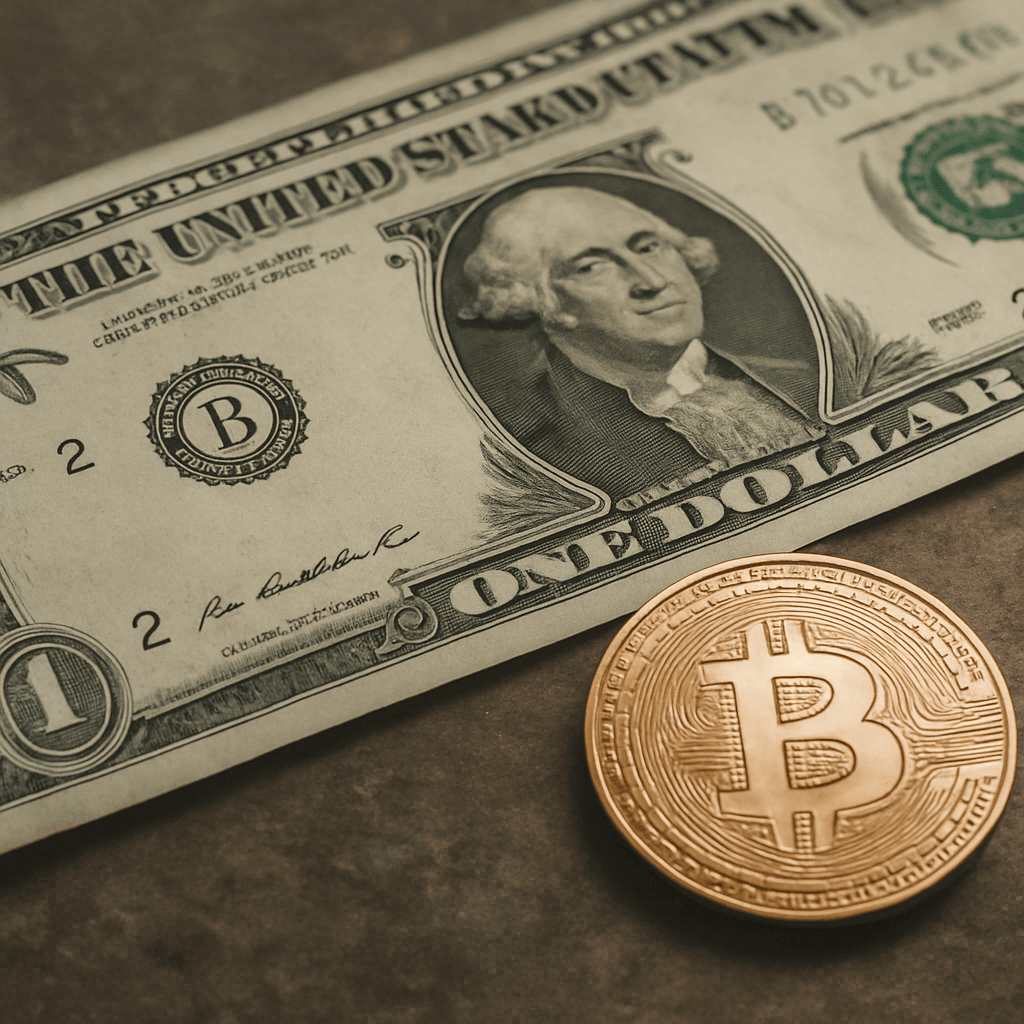
bitcoin geopolitical risk is rising as central banks diversify. bitcoin safe haven debates sharpen while crypto and geopolitics reshape reserves.
bitcoin geopolitical risk is becoming less abstract and more measurable. The clearest signal is not a dramatic policy announcement but the slow, deliberate accumulation of defensive assets by official buyers. Central banks kept adding gold at historically elevated levels throughout 2025 – even as prices pushed into record territory – and that pattern has carried into the first quarter of 2026. Meanwhile, the dollar remains dominant, yet the reserve system no longer looks as static as it did a decade ago. Against that backdrop, bitcoin safe haven rhetoric matters less than the broader trade: official and quasi-official actors are quietly testing what sits outside the dollar core. The market is not pricing a clean replacement. It is pricing gradual redundancy.
That is why the current discussion around crypto and geopolitics deserves more serious attention than the usual cycle-driven Bitcoin commentary. Fidelity’s framing fits a broader macro pattern: states want optionality when settlement, sanctions, and reserve access can all be weaponised through financial channels. Bitcoin does not need to become the base layer of global commerce to matter here. It only needs to remain the most portable non-sovereign asset with deep liquidity. For investors, that is enough to keep bitcoin reserve currency arguments alive, even as they remain well outside mainstream policy consensus.
The latest reserve data still shows the dollar as the anchor of the system, but the edge of the map is shifting. IMF reserve statistics show the dollar’s share easing only gradually, while gold and alternative reserve buckets have attracted fresh interest from institutions seeking insulation against policy shocks. That matters because bitcoin geopolitical risk is not driven by any single country or conflict – it is driven by a widening conviction that reserve concentration creates structural vulnerability. The dollar strength index remains a key signal in that debate, since a firmer dollar tends to tighten global liquidity and expose weaker balance sheets abroad. When reserve managers see that dynamic play out, they reach for gold first, not Bitcoin.
Still, Bitcoin benefits from the same institutional mistrust that supports gold demand. The difference is that Bitcoin is not yet a central-bank asset class in any meaningful sense, which forces the market to infer demand indirectly. That is precisely where the comparison with gold becomes instructive. Official gold buying stayed robust through 2025, with net purchases reaching 863t for the year – a historically elevated figure even if it fell short of prior peaks. The implication is straightforward: the reserve system is diversifying at the margin, and bitcoin geopolitical risk becomes more relevant every time that diversification pushes beyond traditional metals.
The dominant narrative casts Bitcoin as a speculative risk asset that thrives on liquidity and wilts when risk-off conditions take hold. That reading is too narrow. A more accurate framing puts Bitcoin at the intersection of two distinct forces: macro liquidity on one side and sovereignty risk on the other. Within that framework, bitcoin geopolitical risk is not a side story – it is central to the asset’s long-term use case. If a state wants exposure to something outside familiar dollar plumbing, Bitcoin offers properties gold simply cannot: instant settlement, portable custody, and no dependence on a vault. The disadvantages are real too – volatility, policy uncertainty, and a thinner institutional comfort base – but they do not cancel the structural argument.
The more compelling point is that reserve diversification rarely arrives all at once. It tends to begin with gold, extend to other non-dollar assets, and only later reach Bitcoin if markets continue to reward portability and censorship resistance. That is why the bitcoin reserve currency debate should be treated as a structural question rather than a price target. The real test is whether sovereign actors increasingly view Bitcoin as a strategic reserve complement rather than a tradeable token. For now, that remains a cautious inference – but it is no longer a fringe one, and the distance between the two is closing. For a deeper look at how institutional crypto adoption is reshaping that conversation, the trend lines are worth examining closely.
For investors, bitcoin geopolitical risk should function as a regime filter, not a trading trigger. When official buyers continue accumulating gold, when reserve composition remains under pressure, and when settlement politics grow more fragmented, Bitcoin acquires a macro rationale that reaches well beyond retail speculation. That does not mean the asset decouples from liquidity or sentiment overnight. What it does mean is that the floor under strategic demand may be more durable than the market typically assumes – a dynamic that supports a long-duration allocation thesis rather than a momentum-chasing approach.
The next signals will matter more than the headlines. Watch whether additional central banks broaden their reserve mix, whether gold buying holds firm, and whether Bitcoin continues to demonstrate relative strength during dollar rallies. If that pattern persists, the bitcoin safe haven debate will migrate from theoretical exercise to active portfolio construction.
Focus: bitcoin geopolitical risk is no longer just narrative; it is a reserve-system stress test.
Clara Reyes, Markets & Data Reporter, The Chain Journal
A weekly briefing on Bitcoin price action, Ethereum, crypto market analysis, Bitcoin ETF flows, regulation, digital assets, and the narratives shaping crypto investing.
One sharp weekly read. No daily alerts. No recycled headlines.




