THE CHAIN JOURNAL
Independent Crypto Editorial

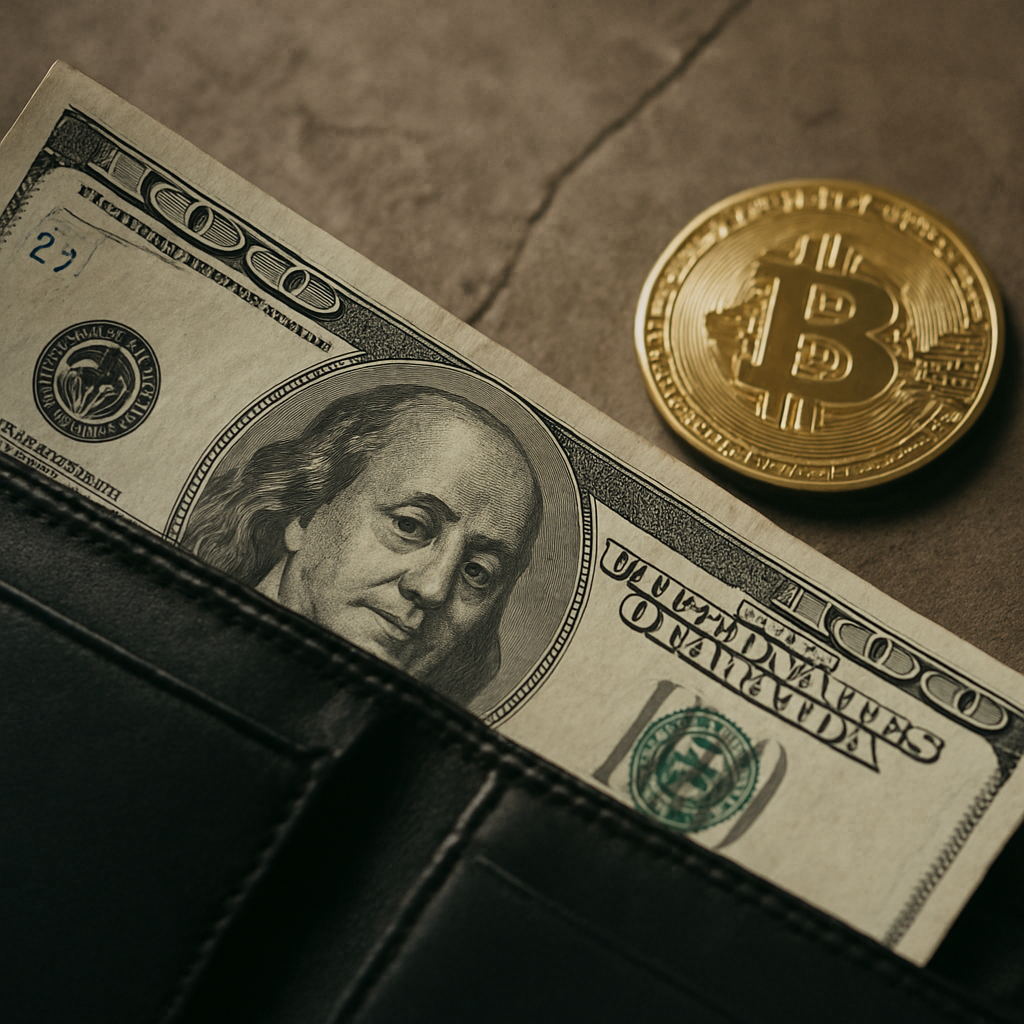
Bitcoin geopolitical risk returned as crypto and geopolitics drove $1B in outflows, while bitcoin etf flows kept XRP and Solana relatively resilient.
Bitcoin geopolitical risk is doing what it always does at the portfolio level: forcing allocators to separate narrative from exposure. The latest fund-flow data shows roughly $1 billion leaving crypto products as Middle East tensions and inflation fears tightened the bid for cash, duration hedges, and defensive assets. That doesn’t read like a collapse in conviction. It reads like a repricing of timing. When macro uncertainty rises, Bitcoin often trades less like an independent reserve asset and more like a high-beta risk proxy – especially when leverage is crowded and liquidity is thin. The move also exposed a persistent fault line inside digital assets, with Bitcoin and Ether under pressure while XRP and Solana continued to attract fresh money.
The deeper issue is that bitcoin geopolitical risk tends to test the market’s most convenient slogans. Investors like to call Bitcoin a bitcoin safe haven, but the evidence remains conditional rather than absolute. In stress events, the asset can behave defensively over longer horizons, yet it still tends to sell off first when balance sheets need to de-risk in a hurry. That’s precisely why the current tape matters – not because of one week of outflows, but because of how quickly institutional capital turns when headlines start carrying the scent of inflation, energy shock, and policy delay. For traders, the key question is whether this is a temporary risk-off impulse or the beginning of a deeper allocation reset.
The best explanation is also the simplest: macro flows overwhelmed crypto-specific fundamentals. Recent weekly fund data pointed to a broad pullback across digital asset products, with Bitcoin absorbing the largest share of redemptions. Meanwhile, selective demand persisted in XRP and Solana – a useful reminder that institutions are no longer treating the asset class as a single monolith. Adding to the pressure, the Fear and Greed Index sat firmly in fear territory, reinforcing the idea that sentiment, not ideology, was driving positioning. For context, Bitcoin spent much of the recent period trading below the $80,000 level, a zone that matters both as a technical reference point and as a behavioral trigger for managed-money accounts.
That reaction fits a well-worn pattern visible in bitcoin etf flows. When volatility spikes and rate-cut expectations get pushed further out on the calendar, allocators tend to rotate into higher-conviction cash or shorter-duration instruments first, then circle back to reassess crypto exposure once the dust settles. The result isn’t always a clean exit from the asset class – more often it’s a preference for tighter, more specific expressions of crypto beta. That dynamic explains how bitcoin geopolitical risk can coexist with simultaneous inflows into selected altcoins. The market is effectively signaling that it still wants upside, but only with a cleaner catalyst and a smaller macro overhang attached to it.
Bitcoin geopolitical risk is best read as a liquidity signal, not a permanent verdict on the asset. In practice, that means distinguishing between the long-term case for scarcity and the short-term reality of cross-asset de-risking. My read is that Bitcoin is still the first crypto asset to be sold when macro stress rises, even if it’s also the first one many investors want back once conditions stabilize. That asymmetry is worth sitting with. It makes Bitcoin less reliable as a tactical hedge and more useful as a strategic allocation – one that demands patience, disciplined position sizing, and a genuine tolerance for violent drawdowns.
The broader structure also argues against lazy extrapolation. If energy prices continue to pressure inflation expectations, central banks will have less room to support risk assets, and bitcoin geopolitical risk will stay elevated. At the same time, persistent inflows into targeted products like Solana and XRP suggest the market remains willing to pay for differentiated crypto exposure. The next phase, in other words, may not be a simple “crypto up or crypto down” verdict – it may be a far more nuanced question of which crypto performs, and under which macro regime.
Bitcoin geopolitical risk isn’t killing the long-term thesis. It’s reminding investors that the path higher is likely to remain uneven and periodically hostage to macro headlines. When funds post redemptions, the message is rarely that the asset is broken. More often, it means leverage, sentiment, and real-world shocks have converged against it for a short stretch. For disciplined allocators, that’s a reason to review sizing – not to abandon the category altogether.
The signposts worth watching are straightforward: oil prices, inflation prints, central-bank tone, and whether bitcoin etf flows stabilize in the wake of the latest selling. If Bitcoin can hold key support while the fear regime cools, the current drawdown may prove tactical. If it can’t, bitcoin geopolitical risk could keep compressing risk appetite across the entire complex for longer than bulls are currently pricing.
Focus: bitcoin geopolitical risk is now acting as a macro stress test, not a thesis killer.
Monica Ramires, Senior Markets Analyst, The Chain Journal
A weekly briefing on Bitcoin price action, Ethereum, crypto market analysis, Bitcoin ETF flows, regulation, digital assets, and the narratives shaping crypto investing.
One sharp weekly read. No daily alerts. No recycled headlines.