THE CHAIN JOURNAL
Independent Crypto Editorial


Bitcoin geopolitical risk rises as oil shocks hit markets, while bitcoin safe haven claims face fresh pressure from crypto and geopolitics.
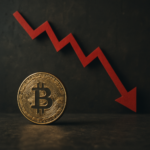
Bitcoin geopolitical risk is back in focus as traders test whether $62,000 still holds as support while oil headlines dominate the screen. The immediate problem is not simply the latest rhetoric out of Washington and Tehran – it is the market’s reflexive rotation into cash, energy and lower-beta positioning whenever the Strait of Hormuz becomes the center of the story. In that environment, bitcoin can trade less like digital gold and more like the highest-volatility proxy in the room. That is why the latest move matters even if the selloff looks modest on a percentage basis: the signal is about positioning, not just price.
The deeper question surrounding bitcoin geopolitical risk is whether investors still believe the asset can decouple from the broader risk-off complex. Recent trading suggests not yet. When oil spikes, equities wobble and the dollar firms, bitcoin tends to absorb the same macro shock as growth stocks and high-beta tech names. The old narrative of instant safe-haven behavior remains seductive, but the tape keeps reminding traders that narrative and market structure are two very different things.
Bitcoin geopolitical risk is best understood through the interaction between energy prices, inflation expectations and liquidity conditions. The Strait of Hormuz matters because it carries a substantial share of global seaborne oil flows – any credible closure threat quickly feeds into crude pricing, then into rate expectations, and finally into broader asset allocation decisions. In recent sessions, crude moved sharply higher while equities softened, a classic sign that macro desks were repricing tail risk rather than debating crypto-specific fundamentals. Bitcoin, meanwhile, remained vulnerable around the low-$60,000 area, where leveraged longs are routinely forced to defend themselves.
That vulnerability matters because bitcoin’s safe-haven credentials tend to look strongest in theory and weakest in the first hour of a genuine panic. The market has shown repeatedly that when geopolitical stress collides with tighter liquidity, bitcoin behaves like a high-beta asset rather than a hedge. The parallel drawn in Bitcoin Macro Analysis is straightforward: price discovery is still dominated by dollar strength, real yields and risk appetite, not simply on-chain scarcity. Even the current market sentiment analysis reflects a market that is cautious rather than convinced.
Bitcoin geopolitical risk exposes an uncomfortable truth: the asset can function simultaneously as a long-term monetary alternative and a short-term risk asset, depending entirely on the prevailing regime. In calm markets, bitcoin attracts flows from investors seeking scarcity, portability and an escape from sovereign debasement. During shock periods, however, those same holders often sell what they can rather than what they most want to exit. That is precisely why the sharpest price reactions tend to come from liquidation cascades rather than thesis debates. The market does not reward elegant narratives during forced deleveraging.
This is where Crypto Market Risk-Off Sentiment becomes genuinely useful context. When traders are already cautious, a geopolitical headline can serve as the excuse to trim exposure across the board – crypto included. That does not make bitcoin geopolitical risk a permanently bearish variable; it means bitcoin remains embedded in global macro plumbing in ways that its early proponents did not anticipate. The asset will likely need a sustained track record of resilience before the safe-haven thesis commands a real market premium rather than a marketing slogan.
For investors navigating bitcoin geopolitical risk, the prescription is discipline rather than drama. If the market is treating bitcoin as a liquidity-sensitive macro asset, then position sizing, leverage management and time horizon matter far more than price targets shouted during a headline spike. In practical terms, $62,000 is less a mystical line in the sand and more a near-term reference point for whether buyers remain willing to defend the market when oil and equities move against them simultaneously. Should that support give way, the next leg lower would likely reflect forced selling rather than any meaningful shift in long-term conviction.
The signals worth watching are straightforward: crude’s ability to sustain elevated levels, the dollar’s subsequent reaction, and whether bitcoin can stabilize while broader equity markets remain under pressure. Any persistent divergence would strengthen the case that bitcoin geopolitical risk is maturing into a genuine macro factor rather than a recurring footnote. For now, the market still looks reluctant to award bitcoin the clean-hedge designation it has long been promised.
Focus: bitcoin geopolitical risk is still driven more by macro liquidity conditions than by slogans about digital gold.
James Okafor, DeFi & Emerging Protocols Reporter, The Chain Journal
A weekly briefing on Bitcoin price action, Ethereum, crypto market analysis, Bitcoin ETF flows, regulation, digital assets, and the narratives shaping crypto investing.
One sharp weekly read. No daily alerts. No recycled headlines.