THE CHAIN JOURNAL
Independent Crypto Editorial

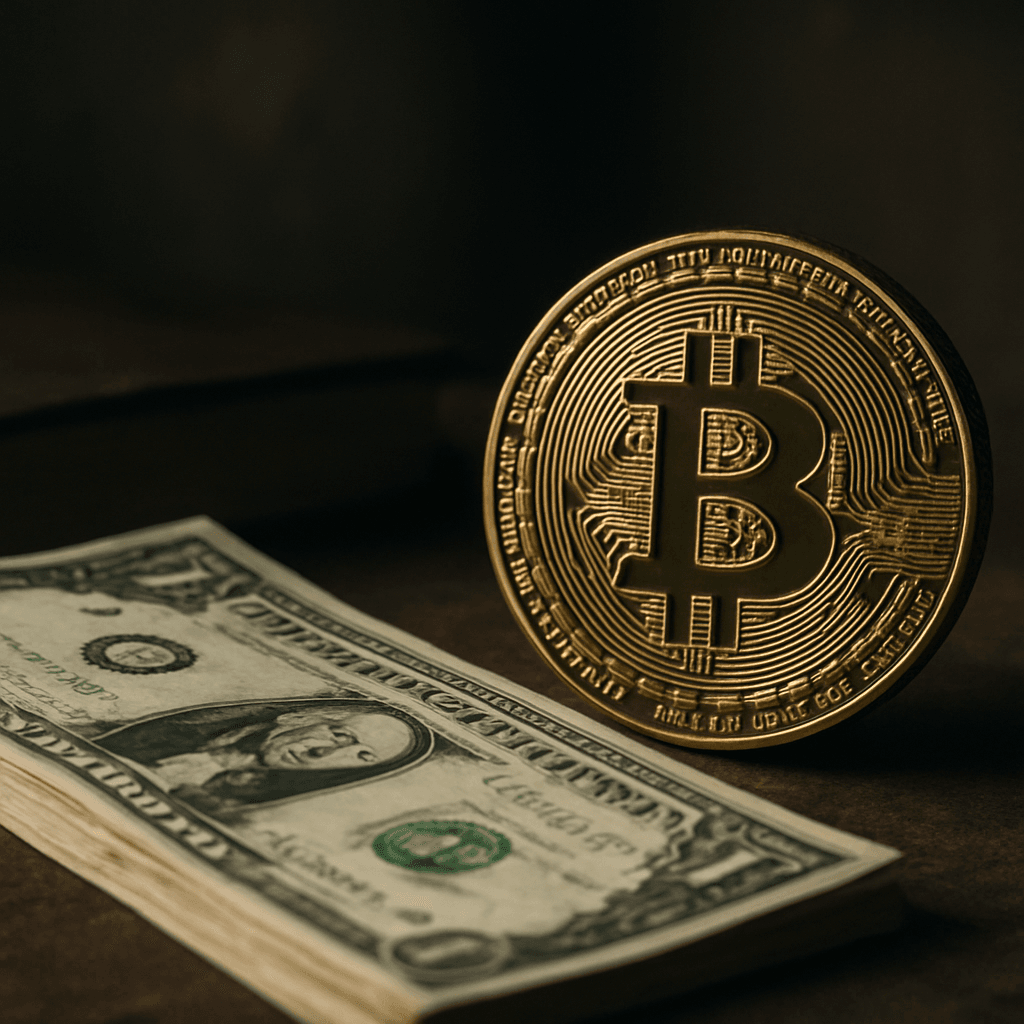
bitcoin-backed loans arrive with strike bitcoin loans and a bitcoin loan interest rate near 14.2%, trading liquidation risk for price.
Bitcoin-backed loans are now being marketed less as a straightforward credit product and more as a risk-management tool. Strike’s latest offering makes a clean promise: no margin calls, no forced liquidation tied to price swings. In a market where Bitcoin can still gap violently within days, that assurance carries real weight – especially for borrowers who have historically used collateralised lending to stay exposed while pulling out cash. The catch is equally plain: safety is not free. An annual rate that can reach 14.2% makes bitcoin-backed loans a premium product, not a bargain. For long-term holders, the trade-off is obvious. For everyone else, the real question is whether they are borrowing against genuine conviction or simply misreading volatility as an opportunity. (theblock.co)
The broader context makes the timing noteworthy. Bitcoin-backed loans tend to perform best when the asset’s price is stable enough for lenders to rely on collateral economics without constant intervention. Strike’s move suggests the company believes borrowers now want predictability more than the lowest possible rate – a rational stance in a bear market, where forced selling can quickly become self-defeating. But it also reveals something less flattering: many users only discover the true cost of leverage after prices have already fallen. In that sense, bitcoin-backed loans are not just a financing option; they are a stress test for investor discipline, rewarding patience and punishing false confidence in equal measure. (bitcoinmagazine.com)
Strike’s version of bitcoin-backed loans enters a market that has been quietly professionalising for some time. Borrowers can no longer assume that every lender handles collateral the same way. Some platforms still rely on traditional margin thresholds; others have narrowed liquidation triggers or extended recovery windows. Strike’s approach is simultaneously more radical and more conservative – it eliminates the liquidation event entirely, but funds that protection through higher borrowing costs and stricter payment requirements. The result is a cleaner liability structure, not a cheaper one. For borrowers, the product now resembles insurance with a credit wrapper far more than it does a conventional secured loan. (strike.me)
That shift also reshapes the competitive landscape. If bitcoin-backed loans evolve into a mechanism for preserving upside without the fear of an automatic sale, lenders will increasingly compete on service quality, custody arrangements, term length, and credit policy rather than headline APR alone. Market comparisons already show wide variation across platforms, with rates and loan-to-value bands differing sharply by provider. In that environment, Strike is not simply selling money – it is selling a specific outcome: keep the Bitcoin, avoid the cascade, and accept the bill. For holders who anticipate long holding periods, that may be precisely the point. (spark.money)
The real significance of bitcoin-backed loans is structural. They sit at the intersection of Bitcoin’s volatility, lender risk controls, and borrower psychology – and a product that removes liquidation pressure can genuinely dampen the panic-selling dynamic that so often accelerates drawdowns. At the same time, it can attract users who underestimate duration risk and overestimate their capacity to service debt through a full cycle. That is precisely why the headline rate matters so much. A borrower paying nearly 14% needs a far stronger thesis than “I don’t want to sell my Bitcoin.” In practice, the product is best suited to holders with stable outside income, not traders looking to escape a bad entry. The market often confuses optionality with prudence. (theblock.co)
The segmentation of the lending market also matters, particularly as Bitcoin continues to mature. When institutional flows are strong, borrowers tend to feel emboldened to lever up against their stack; when flows weaken, that confidence retreats quickly. This makes bitcoin-backed loans a useful barometer of market confidence, since demand for them typically rises when holders want liquidity without sacrificing exposure. For anyone tracking the market with any rigour, crypto liquidity conditions deserve as much attention as price charts. If funding and basis begin to tighten while lenders push rates higher, that combination is often an early signal that the easy phase of the cycle has passed. (theblock.co)
Bitcoin-backed loans are compelling only when a borrower values downside protection more than cheap capital. Fundamentally, the product is a bet on behaviour: if Bitcoin drops sharply, the absence of a forced sale may preserve meaningful upside for holders who can keep servicing their debt. But that benefit comes with a cost that compounds steadily over time, particularly at a bitcoin loan interest rate near the top of the market. Put simply, the product can improve survival odds – it does not improve economics by default. Investors should treat it as a defensive tool, not a yield enhancer. (theblock.co)
The metrics worth watching are straightforward: the scale of demand, any shift in term length, and whether competitors move to replicate the no-liquidation model. If bitcoin-backed loans gain wider adoption, the real test will be whether borrowers can service their debt through a full drawdown without leaning on asset appreciation to bail them out. For broader context, strong ETF inflows may provide some cushion for the market, but they do nothing to eliminate lender risk or substitute for borrower discipline. (spark.money)
Focus: bitcoin-backed loans solve one problem and expose another: they reduce forced selling, but they make the cost of leverage unmistakable.
Lena Strauss, Regulation & Policy Reporter, The Chain Journal
A weekly briefing on Bitcoin price action, Ethereum, crypto market analysis, Bitcoin ETF flows, regulation, digital assets, and the narratives shaping crypto investing.
One sharp weekly read. No daily alerts. No recycled headlines.