THE CHAIN JOURNAL
Independent Crypto Editorial

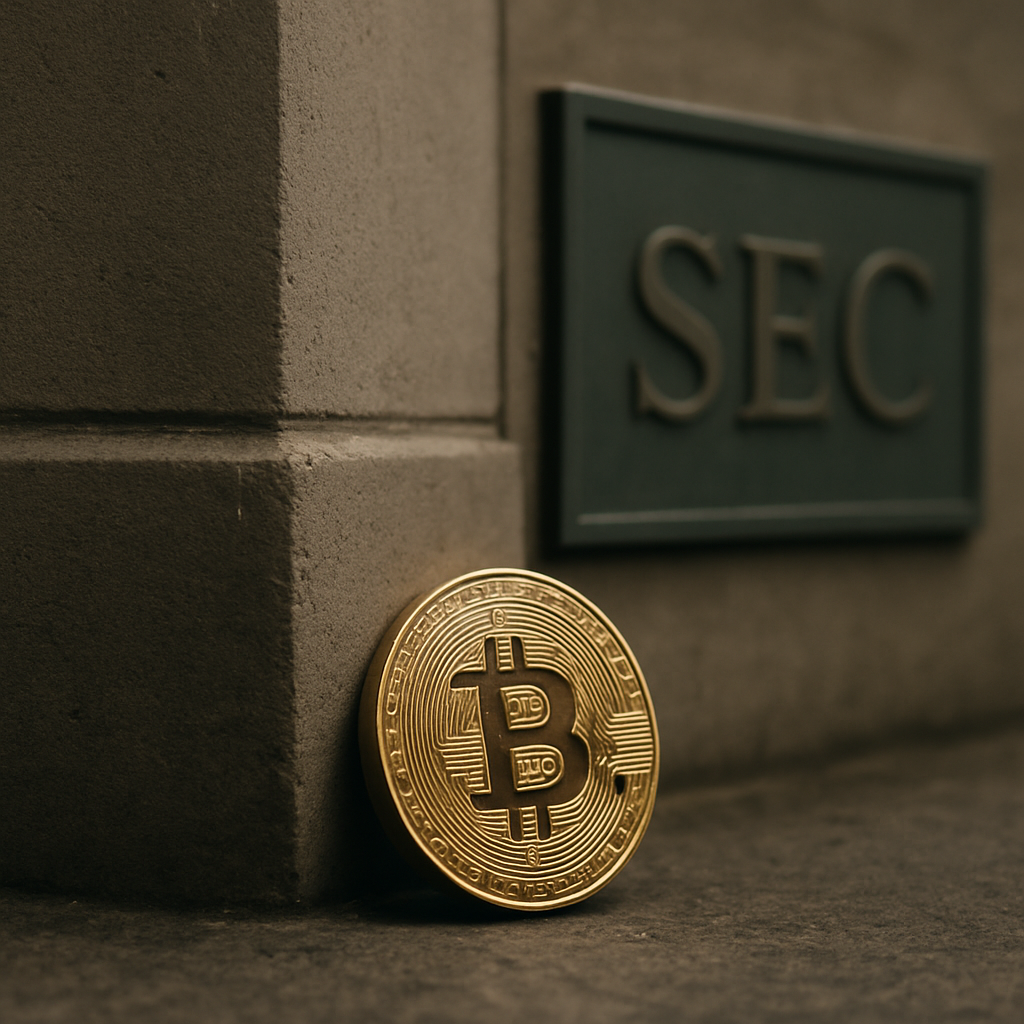
Crypto regulatory update: Binance eyes Philippines through SEC sandbox, with Binance Philippines returning under tighter crypto policy news controls.
Binance’s latest move is more than a local comeback story. It is a crypto regulatory update about how exchanges attempt to re-enter markets once enforcement has hardened against them. The firm is now seeking a path back into the Philippines through a sandbox arrangement – but that ambition does not erase the reality that access has been restricted since 2024. For traders, the signal is unambiguous: distribution still depends on regulators, not brand size. If the company can operate through a licensed local partner, the case could become a template for other jurisdictions that want meaningful oversight without resorting to outright exclusion. That alone makes this crypto regulatory update relevant well beyond Manila. The Philippines has also maintained sustained pressure on unregistered platforms throughout this period, which means any return will be slow, conditional, and closely watched. (cointelegraph.com)
The backdrop is familiar. Philippine authorities moved against Binance after determining the exchange lacked the permissions required to serve local users, and that decision eventually translated into blocking measures. In that sense, this crypto regulatory update reflects a broader shift in crypto policy thinking: regulators increasingly prefer controlled access over open-ended tolerance, particularly where consumer protection and licensing are concerned. The practical question is no longer whether Binance wants back in – it clearly does. The real question is whether it can accept a framework that limits its direct reach while granting the regulator greater visibility. That trade-off will almost certainly define the next chapter of this story. For those tracking the legal dimension, the benchmark remains the country’s securities framework and the Philippine SEC’s established approach to securities regulation. (sec.gov.ph)
The central development here is Binance’s reported partnership with a local fintech participant operating under the Philippine SEC’s strategic sandbox. According to the exchange, the sandbox phase could begin in the second half of 2026 and run for at least two years. That timeline is telling. Rather than pushing for a fast return, the company appears to be making the case that it can function inside a supervised structure. For Binance Philippines, that represents a significant tactical shift – one that trades broad access for a narrower operating model that gives the regulator a live, observable test case. The arrangement also fits a pattern emerging across the sector, in which crypto firms pursue legitimacy through controlled pilots rather than through confrontation with authorities. This crypto regulatory update suggests the Philippines may be open to experimentation, but strictly on its own terms. (cointelegraph.com)
There is a deeper market-structure dimension worth considering. Exchanges do not simply provide execution – they shape liquidity, user behavior, and capital flow. If SEC sandbox participation eventually allows Binance-linked services to re-enter the country, the decisive factor may not be product breadth but compliance credibility. That would be a meaningful test for regional regulators watching how a large venue behaves under close supervision. It would also send a message to both local and global competitors: access can be negotiated, but only by operators willing to accept the regulator as the true gatekeeper. For investors, the lesson is less about a sudden volume surge and more about whether the sandbox can meaningfully reduce the policy discount the market currently attaches to the country. For broader context on how crypto regulation is reshaping exchange strategy across 2026, the pattern here fits a wider regional trend. (cointelegraph.com)
This is precisely where the market should resist the easy bullish narrative. A sandbox is not a full reopening, and a partnership agreement is not the same as a license. The more disciplined reading is that Binance is trading speed for legitimacy – which may sound unremarkable, but it is how durable market access actually gets built. On a practical level, the move carries an important message for crypto policy news: large exchanges increasingly require a local legal and political wrapper before they can scale in sensitive markets. The Philippines has already demonstrated it will not tolerate unregistered access, so any return will be incremental by design. That reframes the headline – this is less a story about expansion and more a story about negotiation. The real variable is whether regulators ultimately view the pilot as a compliance win or a reputational liability. (cointelegraph.com)
The structural implications could easily outweigh the immediate trading effect. If the sandbox succeeds, other exchanges will study the model closely as a potential route back into jurisdictions where they are blocked or constrained. If it fails, it will reinforce the view that compliance theater cannot substitute for genuine registration, local oversight, and enforcement alignment. For those mapping the sector’s evolving policy landscape, the most instructive comparison is with institutional crypto adoption trends across Asia, where regulators have consistently demanded clearer local accountability from foreign platforms. The market may not respond to this story with a sharp price move, but it should respond to the underlying signal: the next phase of exchange growth is likely to run through regulated entry, not regulatory avoidance. (cointelegraph.com)
Binance’s Philippines plan is a crypto regulatory update worth monitoring closely because it tests whether sustained enforcement pressure can be converted into conditional access. For investors, the point is not to price in immediate revenue upside. It is to assess whether Binance Philippines can genuinely rebuild trust in a market that already forced a shutdown once before. If the sandbox progresses as described, it could modestly improve the exchange’s regional optionality over time. If it stalls, the message will be considerably harsher: even the world’s largest crypto brands still need local permission before they can translate scale into actual market share. (cointelegraph.com)
Three signals are worth watching: the formal sandbox start date, any licensing language embedded in the pilot terms, and whether local regulators continue expanding enforcement actions against unregistered venues. Those details will reveal whether this crypto regulatory update marks a genuine policy thaw or simply a narrow experiment with a high-profile name attached to it. (cointelegraph.com)
Focus: crypto regulatory update is now a story about access, not branding.
Antonio Quinn, Director & Lead Bitcoin Analyst, The Chain Journal
A weekly briefing on Bitcoin price action, Ethereum, crypto market analysis, Bitcoin ETF flows, regulation, digital assets, and the narratives shaping crypto investing.
One sharp weekly read. No daily alerts. No recycled headlines.