THE CHAIN JOURNAL
Independent Crypto Editorial

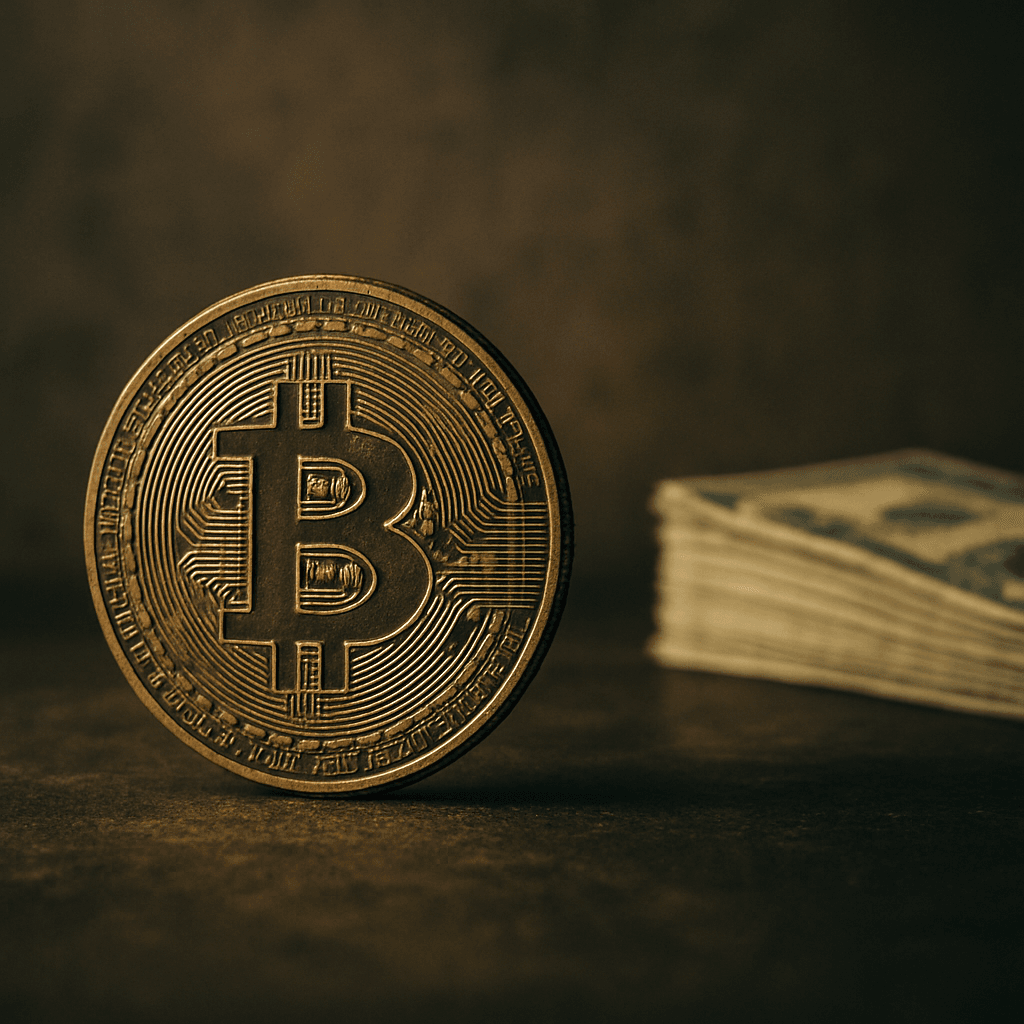
bitcoin whale transfer lifts exchange risk questions as dormant bitcoin whale activity and bitcoin exchange inflows return.
A bitcoin whale transfer of roughly $188 million after seven years of dormancy matters less for its headline size than for what it reveals about supply that has sat untouched across multiple market cycles. The move involved approximately 2,931 BTC from a wallet that last showed activity when Bitcoin traded near $6,513 – a substantial mark-to-market gain by any measure. But the more important point is that old coins don’t stay inert forever. When a bitcoin whale transfer of this scale lands on-chain, traders immediately ask the same two questions: are the coins simply moving to a new custody arrangement, or is the holder preparing to distribute? The answer is rarely obvious. The market reaction, however, usually is – attention spikes well before certainty arrives.
That sensitivity is part of a broader pattern. A bitcoin whale transfer originating from a 7-year-old wallet belongs to a growing trend of heightened market awareness around large dormant balances re-entering circulation. Bitcoin’s ledger is transparent by design, which means dormant supply becomes visible long before it can exert real selling pressure. That transparency does useful work: it separates narrative from mechanics. A wallet waking up doesn’t automatically mean a sale is imminent, but it does introduce a new variable into an already positioning-driven market. Uncertainty, in that environment, has a price of its own.
The latest bitcoin whale transfer landed at a moment when traders were already watching exchange inflows more carefully than usual. Large deposits into exchanges are conventionally read as a sign that coins may be approaching sale – even though a meaningful share of such flows simply reflect internal wallet reshuffling. The distinction matters, because exchange balances remain the most practical proxy for near-term liquidity risk. When dormant coins migrate toward exchange-linked addresses, the market tends to treat that as supply drawing closer to price discovery. For context on how absorption has worked in the current environment, strong ETF inflows this quarter have played a meaningful role in soaking up supply when long-term holders finally decide to move.
What makes this particular bitcoin whale transfer stand out is its timing relative to a market that has already absorbed multiple episodes of large on-chain movement in 2025. In earlier cases this year, dormant coins tended to travel to fresh wallets rather than directly to exchanges – a detail that consistently softened the bearish interpretation. That precedent is worth keeping in mind. The real signal isn’t any single transaction; it’s cumulative behavior. Repeated exchange inflows from older wallets would carry far more weight than one isolated move, however large.
The default narrative around a bitcoin whale transfer is that it signals an impending dump. That reading is too simple. In practice, whales move coins for several distinct reasons: custody migration, estate planning, security upgrades, OTC settlement, and outright distribution. Only one of those is explicitly bearish, and the blockchain rarely tells you in real time which motive is driving the transaction. That’s precisely why context matters more than the raw transfer value. As tracked by whale activity on-chain, older coin movements can reflect a genuine shift in holder behavior without immediately translating into sell pressure. The market has a recurring habit of confusing motion with intent.
There’s also a structural argument worth making. Bitcoin’s supply is increasingly partitioned between long-term holders, exchange liquidity pools, and institutional wrappers like ETFs. A bitcoin whale transfer today simply doesn’t carry the same market impact it did in earlier cycles, when far fewer venues existed to absorb size. Even when a dormant holder re-emerges, the tradeable consequence depends entirely on where the coins go next. A move to a fresh self-custody wallet is a housekeeping event. A move to an exchange is something else entirely. That distinction isn’t semantic – it’s the difference between balance-sheet management and a potential supply release into the open market.
For investors, the bitcoin whale transfer is ultimately a reminder to focus on follow-through rather than the initial headline. One dormant wallet reactivating is notable, but it’s not sufficient grounds to infer directional pressure. What actually matters is whether the coins continue moving toward exchanges, whether similar wallets begin activating in clusters, and whether spot demand is robust enough to absorb any incremental supply that does reach the market. If Bitcoin continues to benefit from structural tailwinds – persistent ETF-related buying, improving bid-side depth – then isolated whale movements should fade into background noise. If they start repeating, they become part of the price-setting process rather than a footnote to it.
The signals worth monitoring are straightforward. Watch bitcoin exchange inflows over the next 24 to 72 hours. Check whether the receiving address remains off exchanges. And situate the flow within broader on-chain activity to determine whether this looks like an outlier or the beginning of a pattern. A wallet shuffle will likely prove neutral and be quickly forgotten. A sequence of deposits into exchange-controlled addresses changes the read – and quickly.
Focus: The bitcoin whale transfer matters most when it is followed by exchange deposits, not when it is first announced.
Adam McCauley, Senior Blockchain Analyst, The Chain Journal
A weekly briefing on Bitcoin price action, Ethereum, crypto market analysis, Bitcoin ETF flows, regulation, digital assets, and the narratives shaping crypto investing.
One sharp weekly read. No daily alerts. No recycled headlines.