THE CHAIN JOURNAL
Independent Crypto Editorial

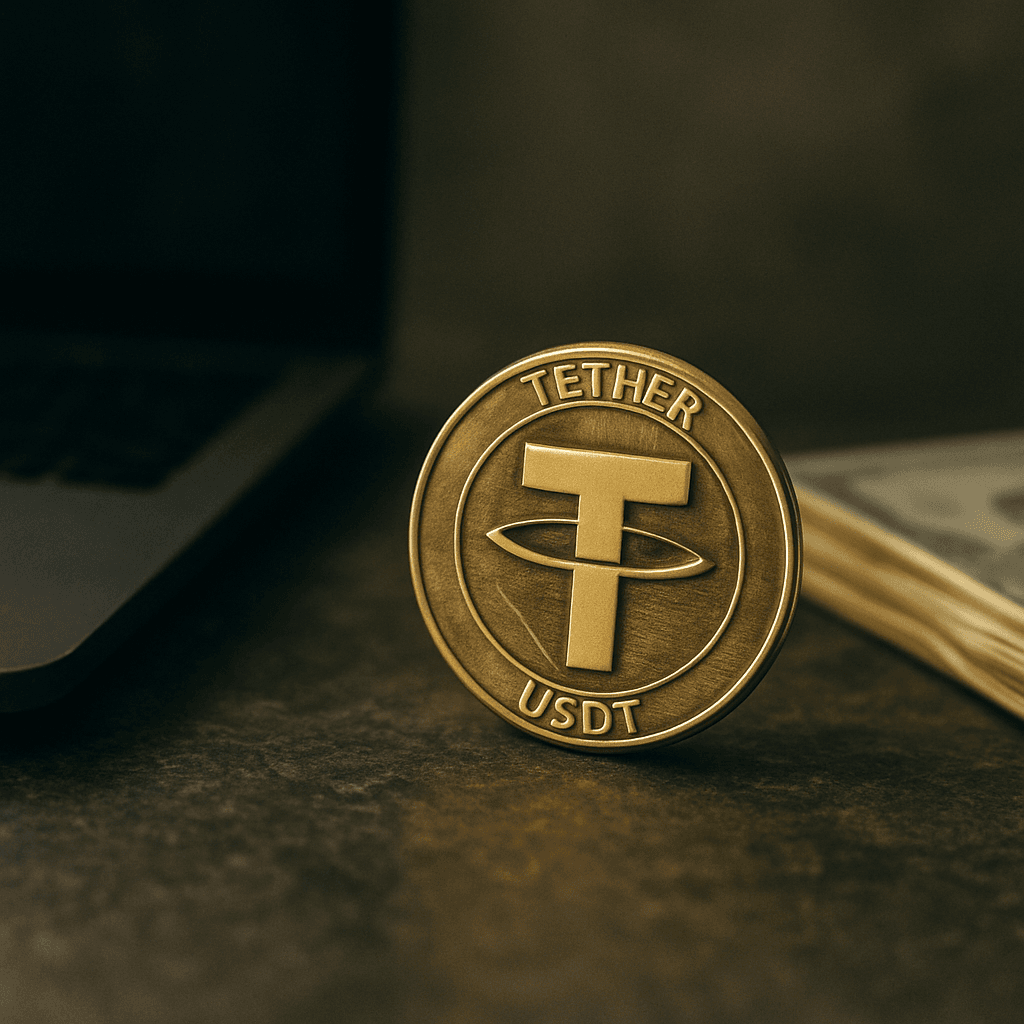
Crypto sanctions expand as OFAC sanctions hit ISIS-K wallets and Tether freezes funds, sharpening the crypto regulatory update.
Crypto sanctions are no longer a symbolic line in a press release – they are becoming a practical tool for severing payment rails that bad actors actually rely on. The latest action against ISIS-K makes that point with unusual clarity. By adding 134 wallet addresses to the sanctions list, regulators are signaling that attribution now extends well beyond named individuals and into the infrastructure that moves value. The detail that 131 of those addresses sat on Tron is telling: it shows where the activity lives – fast, low-friction, and easy to scatter across many small flows. For market participants, the takeaway is straightforward. Crypto sanctions risk is now an operational issue, not merely a legal one.
What makes the current moment distinctive is that enforcement is growing more granular while remaining highly public. That combination carries real weight for exchanges, stablecoin issuers, payment firms, and compliance teams that must screen deposits before funds spread downstream. In practice, OFAC sanctions do not simply freeze balances – they reshape how institutions think about wallet exposure, counterparty risk, and settlement timing. The speed with which a major stablecoin issuer moved to restrict flagged funds reveals something important: the private sector has quietly become part of the enforcement mechanism, regardless of whether it sought that role. For ordinary users, that means the gap between on-chain activity and real-world consequences keeps narrowing.
The immediate data is stark. A single update added 134 addresses – 131 on Tron, three on Monero – to the sanctions list. According to recent blockchain analysis, the Tron wallets received more than $1.4 million in crypto donations since 2023, with a portion of those funds flowing onward to regional exchange activity. That is not a large sum by criminal-finance standards, but it is more than enough to demonstrate repeatable fundraising infrastructure. The use of multiple chains is equally deliberate: one network for speed, another for obfuscation, a third for cash-out pathways. This is precisely the kind of pattern that makes each crypto regulatory update consequential well beyond the newsroom.
The enforcement context stretches further than ISIS-K alone. OFAC has shown repeatedly that it is willing to name wallet clusters when the evidence supports designation, and the sanctions architecture now expects firms to respond in near real time. The U.S. Treasury’s program is publicly maintained at OFAC sanctions compliance, and the recent trend is unmistakable: address-level designations have become routine financial policing. That matters because it fundamentally changes the expected cost of moving illicit funds. Once a wallet can be identified, frozen, and monitored, the value of small donations and fragmented transfers collapses sharply.
The most underappreciated element of this story is not the designation itself – it is the speed with which Tether freezes funds once sanctioned exposure becomes visible. That creates a powerful feedback loop between public-blockchain transparency and centralized control points. Crypto was theoretically built to reduce dependence on intermediaries. In practice, the largest settlement tokens can still behave like gatekeepers the moment compliance pressure arrives. This is a structural shift, and it closes much of the gap between blockchain surveillance and traditional financial enforcement. It also quietly dismantles the old narrative that illicit actors can simply vanish into crypto – because the ledger is public and the major liquidity providers are increasingly cooperative with authorities.
There is a secondary market implication that tends to get lost in the headlines. The more compliant the large stablecoin issuers become, the more sanctions risk migrates outward to the edges: smaller venues, lightly supervised chains, and fragmented liquidity pools. That may reduce headline exposure for the core market, but it does not eliminate criminal use – it redistributes it. The dynamic is familiar to anyone following Bitcoin Sanctions Crypto developments: enforcement pressure does not end illicit finance, but it changes its cost structure. What emerges is a more visible, more monitored, and considerably less forgiving on-chain environment.
Crypto sanctions are increasingly embedded in market structure, not filed away as policy theater. For investors, the operative question is no longer whether enforcement will touch crypto – it will – but where the next choke point appears. Any asset or venue that depends on stablecoin rails, weak screening, or jurisdictions with uneven compliance frameworks can see downside arrive fast when crypto sanctions escalate. Markets may still treat individual designations as isolated headlines, but the pattern argues otherwise. Every new enforcement action reinforces the same signal: clean liquidity and clean counterparties now carry a measurable premium.
The indicators worth watching are clear. Will more wallet clusters tied to extremist financing, scam networks, or laundering operations be added in batches? Will issuers and exchanges compress the time between designation and asset restriction? Will activity migrate toward less transparent chains or smaller settlement venues as pressure on the major rails intensifies? That is the crypto regulatory update investors should be tracking – not just the headline count. For the structural backdrop, the longer arc covered in Crypto Regulation News 2026 shows how rapidly compliance has become a genuine market variable rather than a background concern.
Focus: Crypto sanctions are now a balance-sheet and liquidity risk, not just a policy headline.
Lena Strauss, Regulation & Policy Reporter, The Chain Journal
A weekly briefing on Bitcoin price action, Ethereum, crypto market analysis, Bitcoin ETF flows, regulation, digital assets, and the narratives shaping crypto investing.
One sharp weekly read. No daily alerts. No recycled headlines.