THE CHAIN JOURNAL
Independent Crypto Editorial

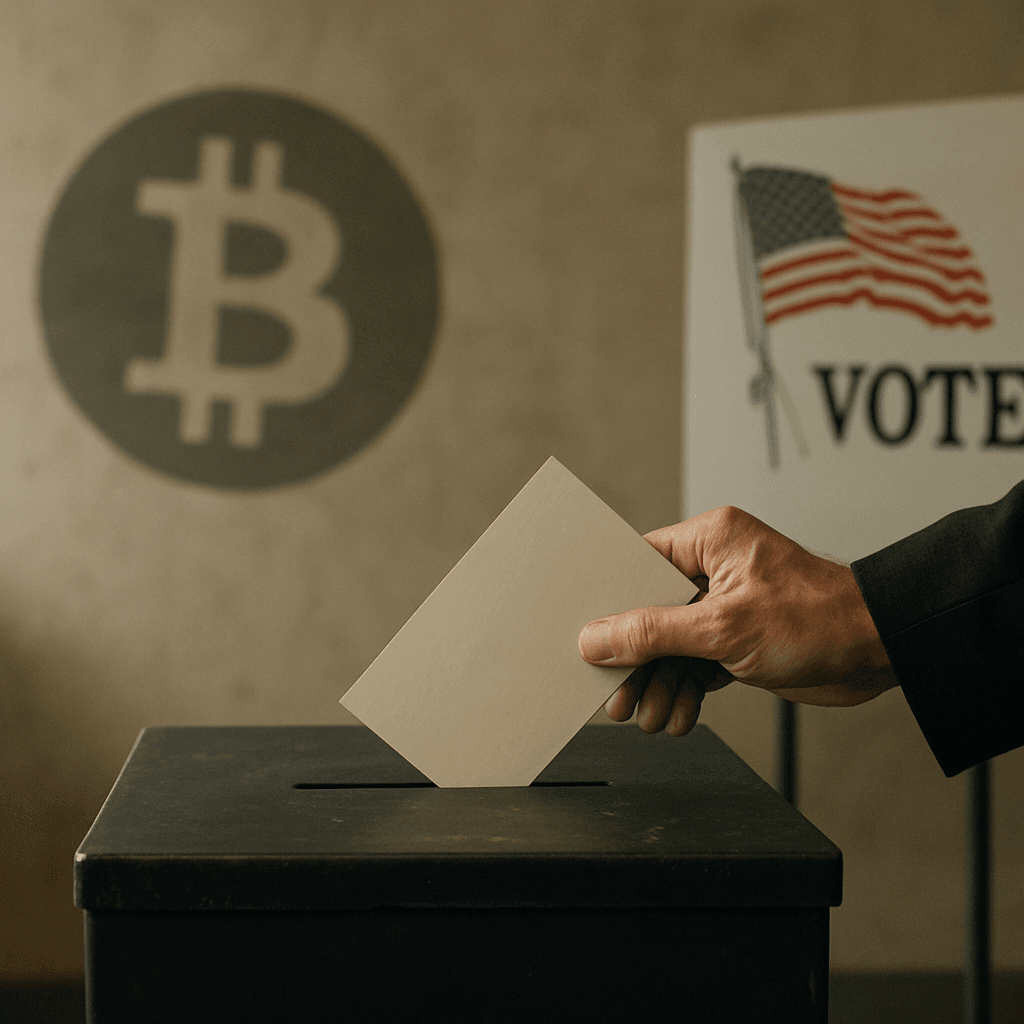
crypto regulation 2026 meets crypto policy news as Fairshake-backed candidates win state primaries and sharpen crypto political risk.
crypto regulation 2026 is no longer a theoretical debate about agency calendars and Washington lobbying budgets. It is becoming a state-by-state political stress test, and the latest primary results suggest the industry’s influence remains durable even as its brand grows more contested. Candidates aligned with the crypto-backed Fairshake network scored wins in three US state primaries after the PAC and its affiliates spent around $8 million on media support. That is not a trivial sum in low-turnout races. It points to a simple reality: in crypto regulation 2026, messaging can still move enough votes to matter.
The broader lesson is less flattering for the sector than the win count implies. Crypto now has the money to shape contested primaries, but it also carries enough visibility to attract the “crypto billionaires” critique – a framing that increasingly positions the industry as an elite political project rather than a retail-innovation story. For readers tracking crypto policy news, that shift matters more than the headline result.
The immediate takeaway is that crypto regulation 2026 has entered the same political logic that governs other concentrated-interest campaigns: spend early, define the narrative, and target districts where a few points can decide the outcome. In Maryland, New York, and Utah, the results suggest that crypto-aligned spending can still create a meaningful edge. Scale matters here, though. $8 million is large enough to dominate local ad environments, yet small enough that it only works when turnout is thin and candidate quality is already high.
That dynamic is familiar in crypto regulation news 2026. Markets tend to treat regulatory progress as a binary – friendly or hostile – but the real process is considerably messier. Elections decide committee composition, donor access, and which lawmakers get to set the tone before any rulemaking begins. For investors, that makes crypto regulation 2026 a proxy for future enforcement intensity, not merely a scorecard of campaign spending.
The industry’s real achievement is not simply electing sympathetic candidates. It is normalizing the idea that crypto is now a permanent Washington constituency. That can be useful, but it carries a cost. Once the sector becomes a recognizable donor bloc, opponents can deploy it as shorthand for concentrated wealth, speculative excess, and regulatory capture. In my view, that reputational burden will weigh more heavily in 2026 than another cycle of partisan slogans.
This is where the analogy with stablecoin regulation 2026 becomes instructive. Stablecoins, unlike abstract campaign talking points, create concrete policy stakes around payments, reserves, and consumer protection. The same principle applies more broadly: the further crypto pushes into mainstream politics, the more it invites lawmakers to ask whether the sector wants rules or merely access. As tracked by SEC crypto regulation, the data consistently shows that supervision and market structure remain central to the policy debate – not peripheral concerns to be managed after the election cycle ends.
crypto regulation 2026 matters because political outcomes can shift the discount rate that markets apply to the entire sector. Investors should resist reading these primary wins as a clean bullish signal. They are better understood as evidence that crypto still has legislative reach – while also confirming that the sector will keep paying for that access through louder scrutiny, sharper attack ads, and heightened volatility around policy headlines. For token holders and equity investors alike, the policy premium will remain unstable.
The concrete signals worth watching come later: committee assignments after the general election cycle, fundraising disclosures from crypto-focused PACs, and whether candidates who benefited from this spending begin speaking more openly about market structure reform. If crypto regulation 2026 continues its migration from election spending into actual bill text, markets will finally have something more durable to price than campaign noise.
Focus: crypto regulation 2026 is turning political spending into a measurable market variable, not just a lobbying footnote.
Monica Ramires, Senior Markets Analyst, The Chain Journal
A weekly briefing on Bitcoin price action, Ethereum, crypto market analysis, Bitcoin ETF flows, regulation, digital assets, and the narratives shaping crypto investing.
One sharp weekly read. No daily alerts. No recycled headlines.




