THE CHAIN JOURNAL
Independent Crypto Editorial

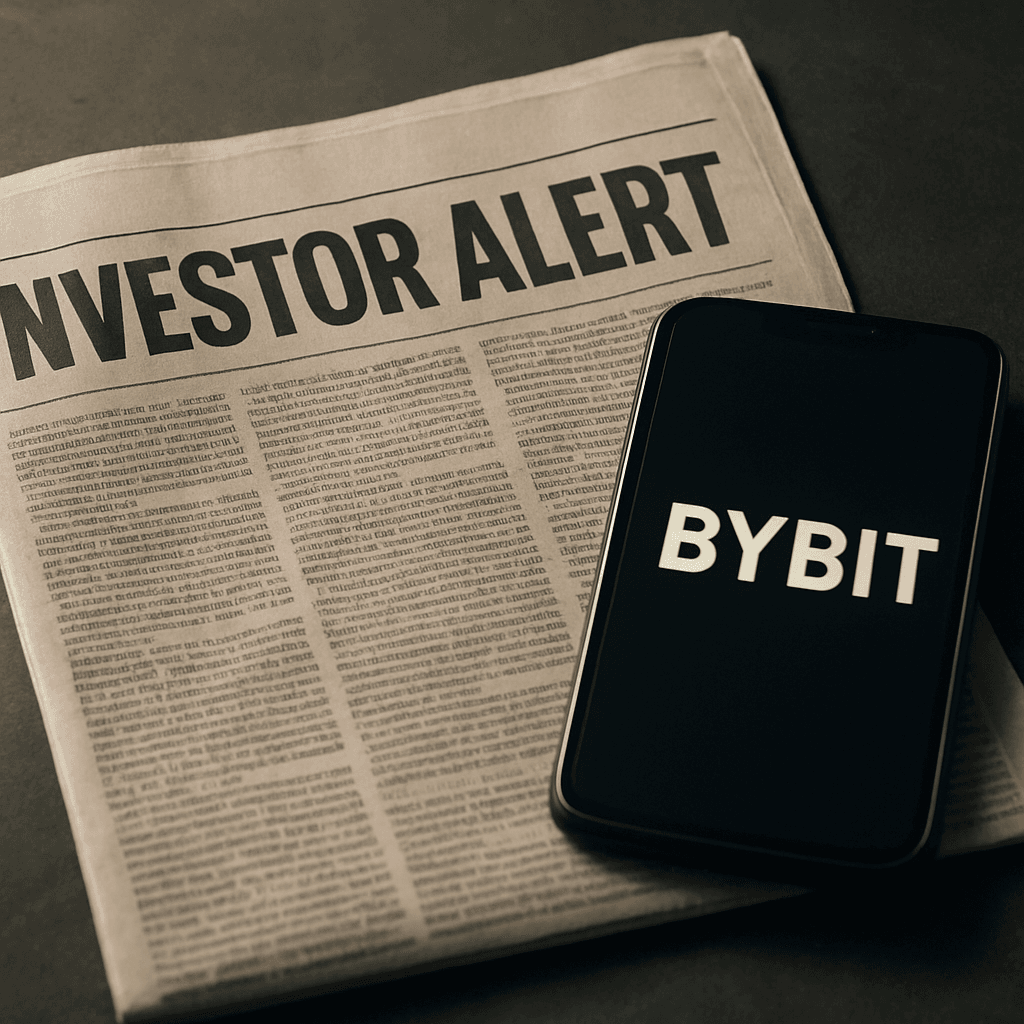
Crypto regulatory update on Bybit’s MAS alert status, with crypto policy news and crypto regulation 2026 implications for users and exchanges.
The latest crypto regulatory update around Bybit is not just a branding problem – it is a signal about jurisdiction, supervision, and market trust. When a major exchange lands on Singapore’s Investor Alert List, the message is unambiguous: users should not assume the platform is licensed, approved, or overseen the way a domestic financial institution would be. In practice, that distinction matters more in crypto than in almost any other asset class, because retail users often treat exchange scale as a substitute for regulatory status. The result is predictable – a large platform can remain operationally significant while sitting entirely outside the local supervisory perimeter.
For Singapore, the move fits a broader pattern of tightening conduct expectations in crypto policy news. The city-state has spent years refining a licensing model that permits digital asset activity, but only within clearly defined boundaries. That framework exists to reduce confusion, not to legitimize every global platform serving users from afar. The crypto regulatory update therefore lands as a pointed reminder that reputation, liquidity, and compliance are not interchangeable – particularly when consumer-facing labels can manufacture a false sense of protection.
The immediate question is not whether Bybit can continue trading globally, but how Singapore wants its residents to interpret that activity. An Investor Alert List placement is not a ban, yet it functions as a public warning that the entity may be mistaken for a regulated one. That is a meaningful distinction, because crypto users routinely compress three separate concepts into one: access, legality, and licensing. They are not the same thing. An exchange can operate freely elsewhere while Singapore signals, clearly and publicly, that local users should not read its presence as regulatory endorsement.
That is precisely why this crypto regulatory update matters beyond any single exchange. It speaks to the broader architecture of crypto regulation 2026, where regulators are increasingly focused on disclosure, marketing, and consumer confusion rather than waiting to act on fraud after the fact. Singapore has drawn sharper boundaries around who may solicit local users, while the UK offers a useful reference point for how a mature regulator frames public warnings and conduct expectations. As tracked by UK crypto regulation, the data reflects a similar preference for clear consumer signalling over deliberate ambiguity. The systems are not identical, but the regulatory logic rhymes closely enough to be instructive.
The mistake many traders make is assuming that scale confers legitimacy. It does not. In crypto, large venues build user trust through product depth, liquidity, and aggressive listing activity – but none of those features say anything meaningful about legal standing in a given jurisdiction. Bybit remains a major market venue, yet the alert makes clear that Singapore intends to decouple operational reach from regulatory comfort. That separation is increasingly central to bitcoin legal and broader exchange policy discussions, because the market has matured far faster than the supervisory vocabulary surrounding it.
A more useful reading is to treat the alert as part of a structural re-pricing of access. Exchanges now operate in a world where country-by-country permissions, disclosures, and service restrictions must be managed with genuine precision – a reality well-documented in crypto regulation news for 2026. That is also why coverage of the crypto regulatory update cycle tends to over-focus on punishment and under-focus on classification. The real market impact typically flows from where a platform can no longer market itself, not from whether it can still match orders. The distinction is subtle, but for compliance teams and risk officers, it separates operational friction from outright jurisdictional exposure.
For investors, the crypto regulatory update is a reminder that platform risk and asset risk are entirely separate variables. A token can remain liquid even as an exchange navigates a shrinking operating map, but user behavior typically shifts before any formal restriction takes effect. That means balances, custody choices, and jurisdictional access policies carry more weight than branding ever will. If you trade through large offshore venues, the right question is not whether the platform is busy – it is whether your local regulator views it as covered, warned against, or sitting outside the approved perimeter altogether. Understanding how institutional players navigate these frameworks can offer retail investors a useful compass here.
Watch the next enforcement and disclosure moves carefully. The most telling signals will be whether Bybit adjusts its Singapore-facing marketing, whether it revises local onboarding language, and whether other exchanges begin appearing on similar lists. If more names follow, the crypto regulatory update will no longer be a story about one company’s positioning. It will be a story about how rapidly Asia’s regulatory map is hardening around retail crypto access.
Focus: The core crypto regulatory update here is that scale does not buy regulatory credibility.
Adam McCauley, Senior Blockchain Analyst, The Chain Journal
A weekly briefing on Bitcoin price action, Ethereum, crypto market analysis, Bitcoin ETF flows, regulation, digital assets, and the narratives shaping crypto investing.
One sharp weekly read. No daily alerts. No recycled headlines.