THE CHAIN JOURNAL
Independent Crypto Editorial

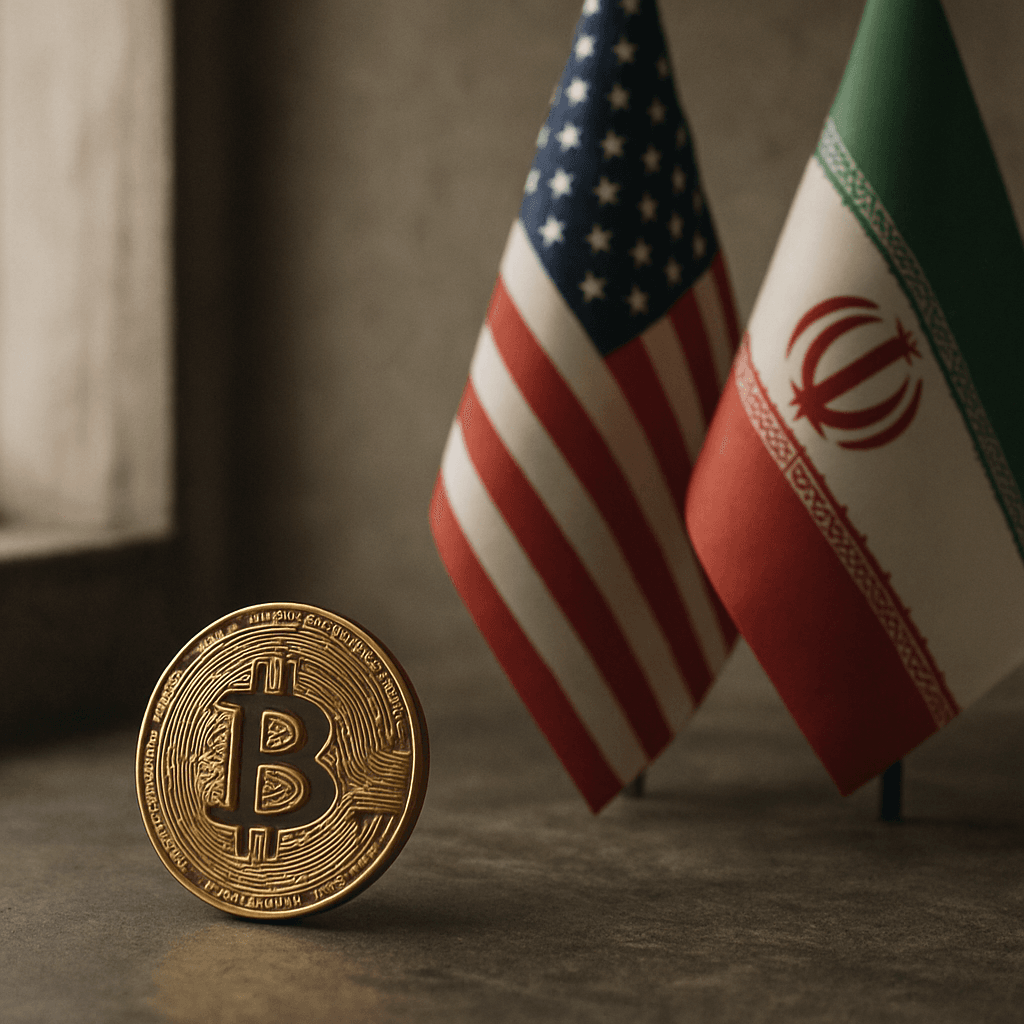
bitcoin geopolitical risk is back as a fragile Iran pact meets crypto and geopolitics, with bitcoin safe haven claims under pressure.
Bitcoin geopolitical risk is no longer an abstract macro phrase – it is an immediate trading input. If the reported US-Iran understanding unravels, the first market response will likely be a sharper risk-off bid across oil, rates, and the dollar, with bitcoin caught in the crosscurrent rather than insulated from it. That matters because the coin’s reputation as a bitcoin safe haven still rests more on narrative than on repeated crisis performance. In practice, bitcoin geopolitical risk is showing up as a fundamental question: can this asset absorb shocks without amplifying them? The recent tape suggests it cannot do so consistently, particularly when liquidity runs thin and positioning looks tired.
That is why the current setup feels more fragile than dramatic. Bitcoin has held a broad higher range, but momentum remains weak and rallies have lacked the kind of follow-through that signals durable conviction. In that environment, crypto and geopolitics interact less through ideology and more through simple portfolio math – investors cut exposure first, then reassess the story later. For now, the market is treating bitcoin political risk as a real component of the trade, not a sideshow.
The latest policy backdrop makes the issue more than theoretical. Iran-related sanctions enforcement has stayed active, and Washington has continued tightening scrutiny around digital-asset channels linked to Iranian actors. That keeps bitcoin geopolitical risk tethered to the broader sanctions regime, not just to the rhythm of diplomatic headlines. When geopolitics shifts, in other words, the compliance layer shifts with it. The US has also continued signaling that transactions tied to sanctioned Iranian financial actors can expose counterparties to penalties – reinforcing just how quickly a localized political development can become a market-wide pricing event. Investors tracking bitcoin geopolitical risk should therefore focus on regime changes, not only on speeches.
That connection is one reason the bitcoin safe haven debate keeps recurring without a clean resolution. A genuine refuge asset should rise on distress, but bitcoin more often reacts first to forced de-risking. One useful lens here is crypto liquidity conditions, since weak liquidity tends to magnify every macro impulse. When that liquidity is already soft, even a contained geopolitical event can produce outsized price moves. The market is no longer asking whether bitcoin can respond to crisis – it is asking whether it can do so without trading like a leveraged risk proxy.
The prevailing narrative is too neat. Analysts tend to frame bitcoin as either digital gold or a speculative beta asset, but the reality is more conditional than either pole allows. During periods of acute stress, bitcoin still behaves like a high-volatility asset that needs broader market support to sustain gains. That does not disqualify it from long-run monetary appeal, but it does weaken the immediate bitcoin safe haven thesis. In my view, the asset’s strongest argument remains structural scarcity, not crisis behavior. When geopolitical tension rises, bitcoin geopolitical risk rises alongside it, forcing investors to decide whether they want a hedge against state instability or simply a proxy for global liquidity.
The sanctions angle adds another layer entirely. The compliance burden surrounding Iranian-linked activity means geopolitics can affect crypto rails even when price action appears detached from the news cycle. For that reason, Bitcoin Sanctions Crypto remains one of the most relevant frameworks for understanding where policy, enforcement, and market structure converge. This is not about one country or one deal – it is about whether bitcoin political risk becomes embedded in exchange behavior, custody standards, and cross-border flow assumptions. If it does, the asset’s reaction function to Middle East developments could stay unstable far longer than most traders currently expect.
Bitcoin geopolitical risk matters most when liquidity is already fragile. If the US-Iran deal holds, bitcoin may catch a modest relief bid. If it falls apart, the market will almost certainly reprice risk assets before it prices any narrative about resilience. That gap between story and execution is precisely where most traders get caught out.
For investors, the next signals are straightforward: oil volatility, dollar strength, Treasury yields, and any fresh sanctions headlines tied to Iran or digital assets. If those factors deteriorate in unison, bitcoin safe haven claims will stay under pressure rather than find support in price action. The cleaner read is not to chase the headline, but to watch whether bitcoin can hold key levels through the next genuine macro shock.
Focus: bitcoin geopolitical risk is still a stress test, not a proven hedge.
A weekly briefing on Bitcoin price action, Ethereum, crypto market analysis, Bitcoin ETF flows, regulation, digital assets, and the narratives shaping crypto investing.
One sharp weekly read. No daily alerts. No recycled headlines.




