THE CHAIN JOURNAL
Independent Crypto Editorial

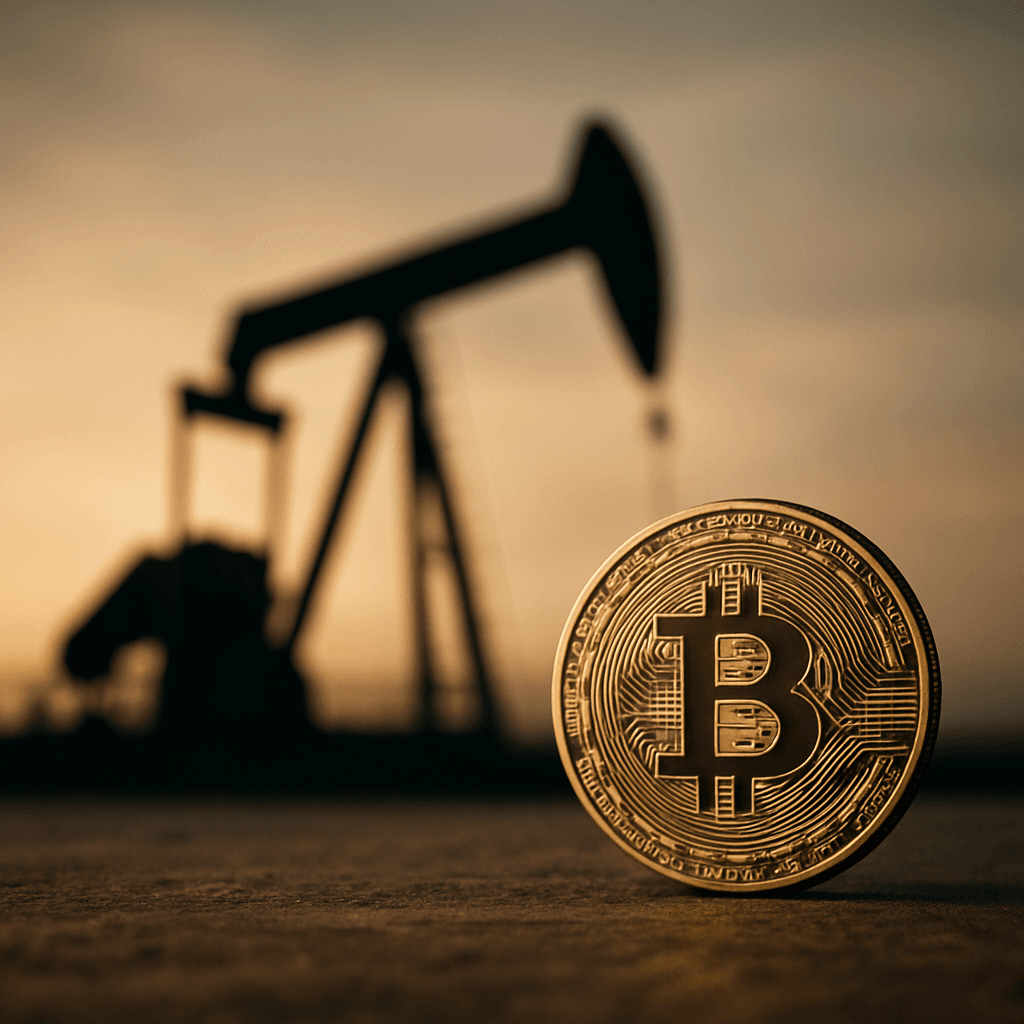
bitcoin geopolitical risk returns as crypto and geopolitics shift; a weaker oil tape and bitcoin safe haven debate could reset BTC pricing.
Bitcoin geopolitical risk is back in focus as the market trades the widening gap between geopolitics and liquidity. The latest push toward a $69,000 target says less about a clean breakout and more about how quickly traders reprice risk when energy markets soften. If crude keeps sliding, the case for a lower inflation pulse and easier financial conditions gets stronger – and that matters for Bitcoin, which still trades like a hybrid: part macro risk asset, part alternative reserve narrative.
The trouble is that bitcoin geopolitical risk rarely moves in a straight line. Relief rallies built on diplomacy headlines can fade as fast as they form, particularly when positioning is light and conviction is thin. In that environment, $69,000 becomes less a destination and more a stress test. If Bitcoin can reclaim that level with meaningful follow-through, the market may be signaling that investors are treating it as a bitcoin safe haven again – not merely a speculative proxy for risk appetite.
Bitcoin geopolitical risk also intersects with the broader crypto and geopolitics trade in ways that complicate the picture. When conflict premiums unwind, capital tends to rotate first into equities and oil-sensitive assets, bypassing digital assets entirely. That leaves BTC competing for attention at the exact moment macro funds are rebalancing. Whether this move reflects a genuine regime shift or just another headline-driven bounce remains the central question.
The current setup around Bitcoin geopolitical risk is being shaped by three moving parts: energy, the dollar, and institutional flow. A weaker oil price typically supports the disinflation narrative, relieving pressure on risk capital and lending support to duration-sensitive assets. But Bitcoin doesn’t trade in isolation. It still has to clear the hurdle of Dollar index strength, because a firm dollar tends to cap upside across most risk assets, crypto included. That dynamic is precisely why the market can frame BTC as a bitcoin war hedge one day and unwind the position the next.
Recent ETF behavior adds another layer of complexity. As our coverage of strong ETF inflows this quarter has shown, price action with staying power only emerges when institutional buyers step back in with consistency – not when a single session briefly turns green. That distinction matters enormously. Bitcoin can rally on geopolitical headlines, but sustained continuation almost always requires actual balance-sheet demand. Without it, bitcoin geopolitical risk functions as narrative overlay rather than genuine price catalyst.
There is a practical market lesson embedded in all of this. When oil plunges, traders often read the move as evidence that the worst macro pressure is fading. That can benefit Bitcoin, but only if real rates and the dollar aren’t simultaneously tightening financial conditions from the other direction. The market isn’t simply asking whether BTC can catch a bid – it’s asking whether the macro regime is turning friendly enough for a broader bitcoin safe haven thesis to take hold.
Bitcoin geopolitical risk has a way of exposing the gap between theory and trading behavior. The theory holds that BTC should benefit when global tensions escalate, sanctions bite, or energy markets become disorderly. The trading reality is less flattering: Bitcoin frequently behaves like a leveraged risk asset right up until the moment the market decides a shock is both severe and persistent. That’s why the bitcoin safe haven label remains conditional rather than automatic. Investors embrace the story, but the tape still demands proof.
A more honest framework is to treat Bitcoin as a bitcoin war hedge only under specific conditions:
– when fiat confidence weakens,
– when inflation expectations rise faster than growth fears,
– when capital controls or sanctions distort cross-border flows,
– when ETF demand and liquidity are improving together.
Outside those conditions, bitcoin geopolitical risk mostly reshapes timing, not thesis. The asset can outperform during stress, but only when that stress pushes investors toward scarce, globally portable stores of value. Gold typically captures the first bid in those moments; Bitcoin has to wait for the second wave. That distinction sits at the heart of serious crypto and geopolitics analysis, and it explains why the market revisits the same question after every shock.
The current oil move may be a reminder that Bitcoin still depends on the macro plumbing. If falling crude feeds through to lower inflation expectations and a softer dollar, BTC could find room to revisit the $69,000 zone with some conviction. If it doesn’t, bitcoin geopolitical risk will remain what it so often is – a compelling headline, not a reliable trading edge.
Bitcoin geopolitical risk is not a standalone thesis; it’s a filter that changes how investors price macro uncertainty. The most constructive setup would combine a continued decline in oil, stable or softening real yields, and renewed demand from larger institutional buyers. If those three forces align, Bitcoin can shed its high-beta tech proxy character and trade more convincingly as a bitcoin safe haven with real momentum behind it.
The variables to monitor are straightforward: crude’s follow-through, the dollar’s trajectory, and whether ETF buying holds beyond a single session. If Bitcoin reclaims $69,000 while the macro backdrop continues to improve, the move has credibility. If it stalls quickly, bitcoin geopolitical risk will have done what it so often does – explained the day, but not the trend.
Focus: bitcoin geopolitical risk still matters, but price confirmation matters more.
ARIANNA VAZ, Portfolio Strategy Analyst, The Chain Journal
A weekly briefing on Bitcoin price action, Ethereum, crypto market analysis, Bitcoin ETF flows, regulation, digital assets, and the narratives shaping crypto investing.
One sharp weekly read. No daily alerts. No recycled headlines.




