THE CHAIN JOURNAL
Independent Crypto Editorial

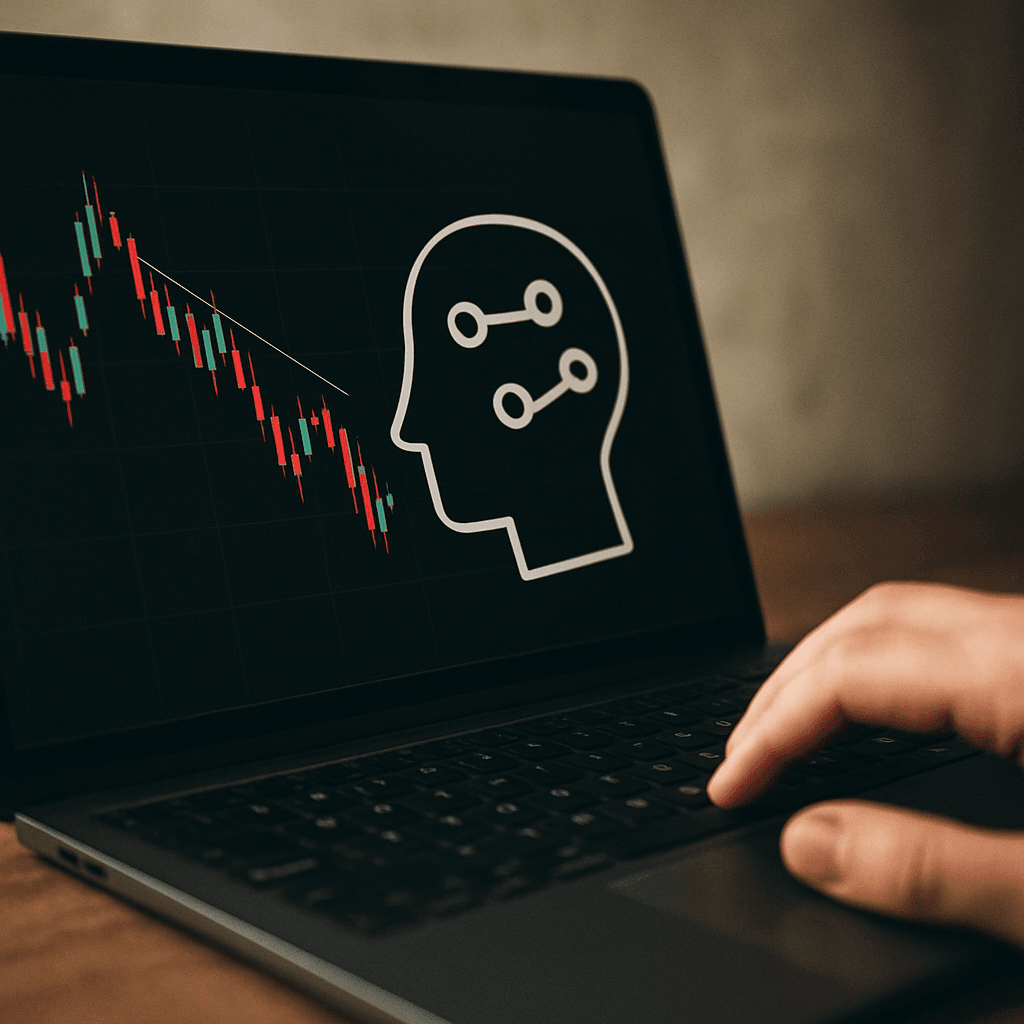
AI prediction market feeds are becoming a retention tool as grok ai and gemini predictions push exchanges beyond trading during a volume slump.
AI prediction market feeds are no longer a novelty feature – they are becoming a defensive product choice for exchanges that need users to open the app for reasons beyond spot trading. Gemini’s latest experiment fits that pattern precisely. As trading activity cools and attention fragments across the broader crypto landscape, ai prediction market feeds can keep a platform sticky by filtering events, odds, and narrative risk into a cleaner, more digestible interface. The real point is not AI for its own sake. It is prediction market personalization as a retention engine, with grok ai giving the feed a sharper, more conversational edge.
That matters because exchanges are under mounting pressure to diversify their engagement loops. When volumes soften, platforms need higher-frequency touchpoints and more compelling reasons for users to return. Gemini predictions around elections, macro releases, and crypto-specific events can serve as a natural entry point for traders who have no appetite for scanning a full market grid. The business logic is straightforward: if the feed learns what you care about, the platform becomes genuinely harder to leave. But that also raises the bar for relevance considerably. A noisy recommendation layer can erode trust faster than it builds habit.
At a basic level, ai prediction market feeds are curated event streams that rank contracts, topics, and odds based on user behavior, market activity, and inferred interests. In practice, that means two users on the same platform might encounter politics, macro, or crypto events in entirely different sequences depending on their history. The move echoes a broader transformation across crypto interfaces: the best products now behave less like trading terminals and more like personalized media environments.
Gemini’s timing is telling. Prediction markets have graduated from niche curiosity to a visible segment of crypto product design, buoyed by growing activity around event-driven trading. Meanwhile, exchange volumes have been under sustained pressure, with recent market reviews placing centralized trading activity near multi-month lows. Against that backdrop, AI prediction market feeds are not a gimmick – they are a deliberate response to weaker core liquidity. Platforms that can package information into a faster, more relevant feed stand to capture attention even when outright speculation slows. That is a meaningful strategic pivot, not a cosmetic one.
The deeper shift here is that discovery is becoming monetizable. AI prediction market feeds let platforms sell convenience much the way social apps sell attention: by shaping what users see first. That creates obvious upside, but it also alters the risk profile in ways worth examining. If the ranking model rewards recency or engagement over signal quality, users may begin conflating visibility with probability – a serious problem in markets where odds already carry outsized psychological weight.
The most instructive comparison is with crypto market sentiment tooling. Sentiment products already attempt to translate crowd behavior into tradable context, but AI takes the next step by personalizing the lens itself. Push that logic too far, and a useful discovery tool becomes a funnel for biased prompts and recycled narratives. The better version is more disciplined: fewer headlines, richer context, and a feed that helps users identify where markets may be mispriced. That framing would make AI less of a surface wrapper and more of a genuine market structure feature – and would position institutional crypto adoption of these tools as something more than a branding exercise.
AI prediction market feeds may look like a product flourish, but they signal something more structural: a shift in how exchanges defend engagement when core trading slows. For investors, the central question is whether these tools genuinely improve conversion and retention, or simply add another layer of interface noise. AI prediction market feeds work only if they drive measurable increases in time spent, repeat usage, and cross-product revenue. If they fall short on those metrics, they become expensive decoration. The strongest implementations will likely emerge from platforms that can combine personalization, data quality, and clean event design without overfitting to individual user quirks.
What to watch is straightforward enough. Track whether Gemini expands gemini predictions beyond a novelty surface, whether grok ai-style curation meaningfully improves click-through on event contracts, and whether competing exchanges move to replicate the model. Keep an eye on broader risk appetite as well – as tracked by sentiment and market predictions – because weaker sentiment historically favors engagement-driven products over pure execution venues. If the category gains real traction, distribution may ultimately matter as much as product design.
Focus: ai prediction market feeds are less about AI hype than about exchange survival.
Monica Ramires, Senior Markets Analyst, The Chain Journal
A weekly briefing on Bitcoin price action, Ethereum, crypto market analysis, Bitcoin ETF flows, regulation, digital assets, and the narratives shaping crypto investing.
One sharp weekly read. No daily alerts. No recycled headlines.




