THE CHAIN JOURNAL
Independent Crypto Editorial

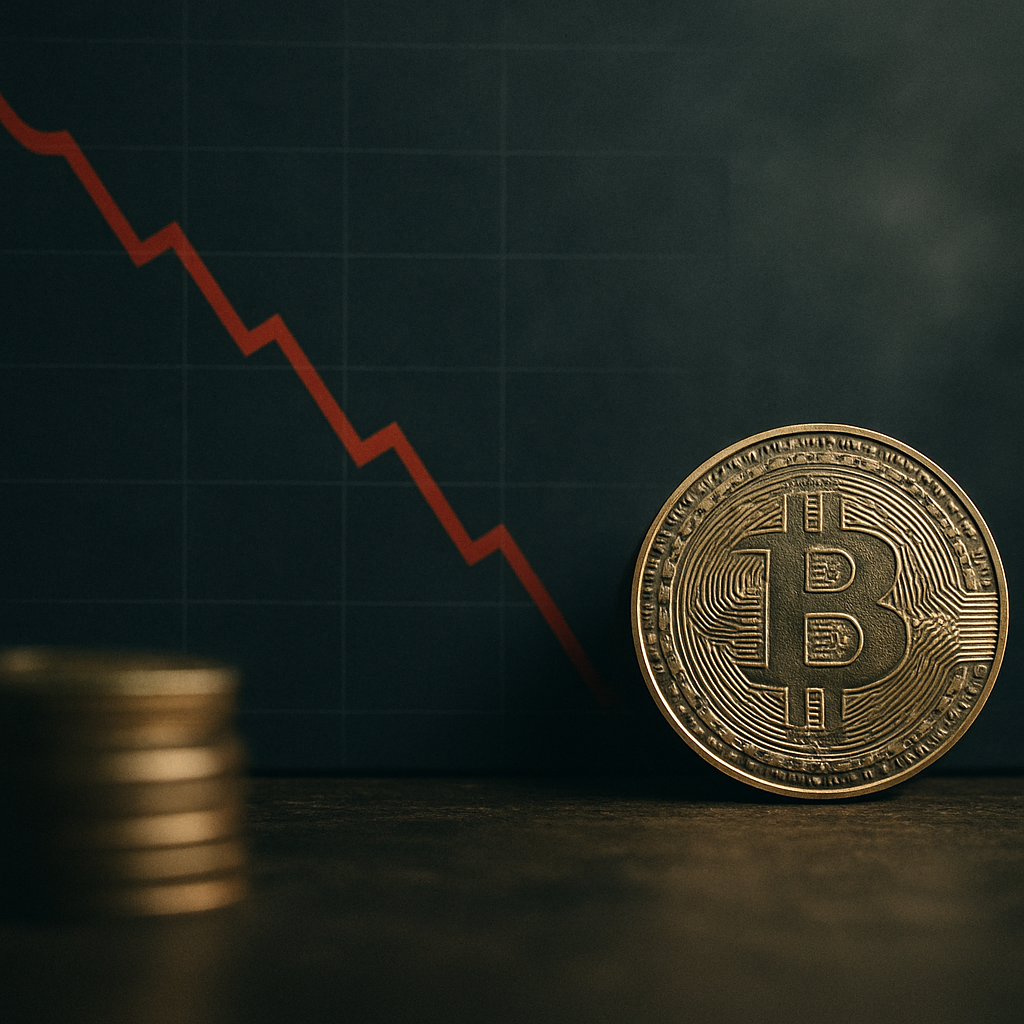
crypto market today turns fragile after US strikes on Iran, with bitcoin geopolitical risk and bitcoin safe haven narratives colliding.
The crypto market today is not being driven by network fundamentals – it’s being driven by a fast repricing of regional risk. After fresh US strikes on Iran, roughly $80B vanished from digital-asset capitalization, pushing the market back to levels last seen in mid-April. The message is blunt: when headlines turn violent, crypto behaves less like a conviction trade and more like a global shock absorber. That’s uncomfortable for believers in the bitcoin safe haven thesis, but it’s also the cleanest explanation for what the tape is showing. Price action around $77,000 in bitcoin confirms that macro stress still reaches crypto first through leverage, not through ideology.
That pattern matters because the crypto market today remains unusually sensitive to the same variables moving oil, the dollar and rate expectations. Markets have spent much of 2026 wrestling with whether bitcoin geopolitical risk is a passing narrative or a genuine pricing factor. The answer, so far, is that it’s both. Bitcoin can still recover quickly after an initial flush, but the first reaction tells you exactly what kind of market you’re operating in. Right now, this is still a reflexive risk trade – not a mature hedge.
The immediate trigger is straightforward. The US struck Iran again, just three days after an earlier round of attacks, reviving fears of wider regional escalation. In that environment, the crypto market today sold off alongside other risk assets because traders did what they always do in a shock: reduce exposure to their most liquid, most tradable positions first. Bitcoin’s 24/7 market makes it uniquely easy to dump over a weekend or during thin liquidity windows, so it routinely becomes the first outlet for macro stress. The move, in other words, has more to do with market structure than with sentiment – even if sentiment is what drives the headlines.
The broader backdrop reinforces this reading. Oil has been the cleaner geopolitical barometer, while crypto has increasingly acted as a volatility mirror. That’s why the crypto market today reaction shouldn’t be read as a verdict on the long-term thesis. What it does show is that bitcoin and geopolitics remain linked through liquidity conditions, not just through narrative. For a market that has spent years trying to decouple from equities, that dependence on cross-asset risk is still a genuine vulnerability. Strong ETF inflows have helped support prices in recent months, but they don’t suspend the laws of risk aversion – and the same crypto market today that can rally hard on institutional flows can unwind just as fast when the macro tape turns red.
The most important mistake investors can make right now is treating every geopolitical shock as interchangeable. In the crypto market today, Iran matters because it sits at the intersection of oil, sanctions, shipping risk and reserve management. That makes this more than a headline event – it becomes a potential inflation impulse if energy prices remain elevated. When oil rises, rate cuts grow harder to justify, the dollar tends to firm, and speculative assets lose altitude. Put simply, bitcoin geopolitical risk isn’t only about armed conflict. It’s about the policy response that follows.
A brief definition helps frame the stakes: a safe haven is an asset investors reach for when they want stability during stress. Bitcoin still struggles to prove that role consistently. In some episodes, it behaves like digital gold; in others, it trades like high-beta tech. The current crypto market today episode suggests the second framing still dominates in the short run. The irony is that this doesn’t necessarily weaken the long-term use case – it simply means the market hasn’t yet reached consensus on what bitcoin is for in a crisis. That unresolved question is precisely why the bitcoin safe haven debate resurfaces every time Middle East headlines sharpen. For a real-time read on how quickly traders are swinging from complacency to caution, the Market sentiment fear index remains one of the more reliable gauges available.
The crypto market today is sending investors a clear message: respect the difference between long-term conviction and short-term positioning. The first 24 hours after an Iran shock tend to favor cash over narratives. If you’re holding bitcoin, the lesson isn’t that the asset has failed as an investment thesis – it’s that crypto and geopolitics can still overwhelm everything else when liquidity thins and macro stress spikes. For portfolio construction, that means position sizing ultimately matters more than slogan-level conviction. A market capable of shedding $80B in a single risk repricing is still a market where leverage, not fundamentals, sets the marginal price. For deeper context on how geopolitical risk shapes bitcoin’s price behavior across cycles, the historical patterns are worth reviewing before making any reactive moves.
What should investors watch next? Keep a close eye on oil, the dollar and any signs that the strikes are evolving into a broader energy disruption. It’s also worth monitoring whether bitcoin can reclaim its lost range without a meaningful improvement in risk sentiment. If it can’t, then the crypto market today is likely still trapped in a macro-driven range rather than establishing the footing for a clean uptrend.
Focus: Crypto market today is behaving like a geopolitical stress asset, not a settled safe haven.
A weekly briefing on Bitcoin price action, Ethereum, crypto market analysis, Bitcoin ETF flows, regulation, digital assets, and the narratives shaping crypto investing.
One sharp weekly read. No daily alerts. No recycled headlines.