THE CHAIN JOURNAL
Independent Crypto Editorial

bitcoin geopolitical risk returns as bitcoin safe haven claims weaken; bitcoin price today tracks stocks, oil and Iran headlines.
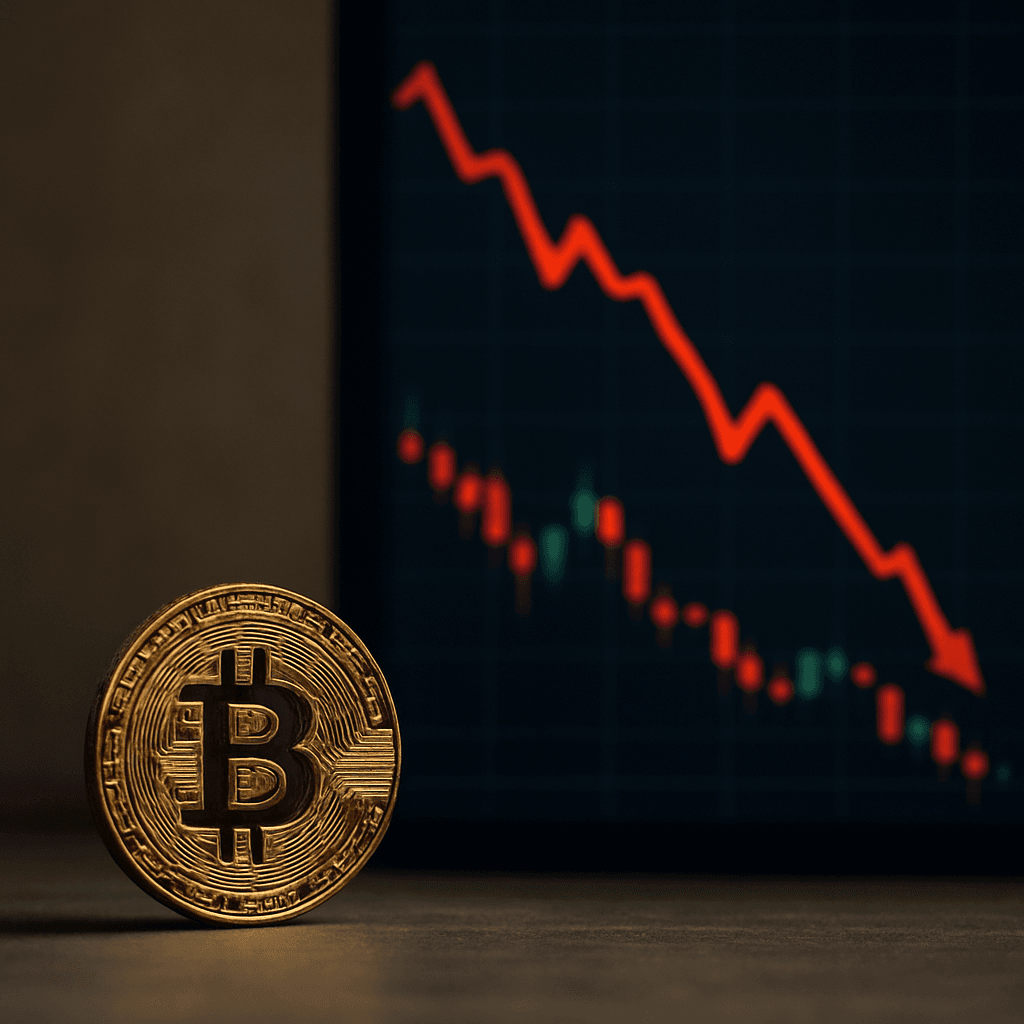
Bitcoin geopolitical risk is doing what it usually does: exposing just how fragile the “digital gold” narrative becomes when macro traders rotate into equities and away from defensive hedges. The latest move saw Bitcoin slip below $75,000 while US stocks pushed to fresh highs and oil sank toward one-month lows on hopes that tensions around Iran and the Strait of Hormuz may be easing. That mix matters. It tells us risk appetite hasn’t vanished – it’s simply moved elsewhere. For now, bitcoin geopolitical risk is less about a direct flight to safety and more about whether liquidity conditions and headline flow are lining up in Bitcoin’s favour.
The market has already rehearsed this pattern several times in 2026. When Iran-related headlines drove crude higher, Bitcoin struggled to sustain breakouts. When peace-talk optimism lifted sentiment, equities caught the bid faster than crypto did. That tells us bitcoin geopolitical risk is still mediated through the broader macro complex rather than through any independent reserve-asset behaviour. The question isn’t whether conflict matters – it does. The question is whether traders are treating Bitcoin as a hedge or as a leveraged proxy for global liquidity stress.
Bitcoin geopolitical risk is most visible when markets start repricing inflation, energy, and rates simultaneously. Oil weakness typically feeds the disinflation trade, which in turn can support duration assets and growth equities. Bitcoin, however, hasn’t been collecting that same automatic benefit. In recent sessions the coin traded around the mid-$70,000 area after briefly losing that level, while US index futures and cash equities pushed to new records. That divergence is worth sitting with: it suggests investors are still reaching for Bitcoin as a risk asset first and a macro hedge second.
A useful way to read the tape is straightforward:
That is why bitcoin geopolitical risk should be read alongside Bitcoin Macro Analysis rather than through a narrow conflict lens. The headline story is about Iran. The deeper story is about who captures the marginal bid when uncertainty fades – equities, gold, Treasuries, or Bitcoin. So far, the market has answered that question in a way Bitcoin bulls won’t enjoy hearing.
Bitcoin geopolitical risk becomes especially compelling when the safe-haven debate collides with real positioning. Bitcoin advocates have long argued the asset should benefit whenever the world feels unstable. Yet recent price action tells a more selective story. When markets sense that conflict may de-escalate, oil drops quickly, equities rally, and Bitcoin tends to lose relative momentum. That behaviour suggests the asset still trades on liquidity expectations and speculative positioning far more than on any pure haven premium.
The clearest framework for understanding this is through the pillar logic of Bitcoin Store of Value. Bitcoin can behave like a reserve-style asset over longer time horizons, but in short windows it continues to reflect the market’s appetite for convexity. When traders believe that peace will lower energy costs and support corporate earnings, they buy stocks. When they believe that escalating tensions threaten shipping routes and stoke inflation, they buy protection. Bitcoin sits awkwardly between those two camps. The result isn’t failure – it’s ambiguity, and ambiguity is rarely rewarded in fast-moving markets.
That said, the broader structural backdrop isn’t hostile to Bitcoin. Institutional flows, ETF demand, and tightening supply all remain relevant tailwinds. In the current tape, though, those forces are competing with geopolitical headline risk rather than overriding it – and that’s the nuance investors can’t afford to miss.
Bitcoin geopolitical risk is less about the conflict itself than about what the market thinks the conflict means for growth, inflation, and policy. If peace progress holds and energy prices stay soft, the inflation outlook eases and the odds of a fresh macro shock diminish. That should lift risk assets broadly. But Bitcoin hasn’t been the cleanest expression of that theme. The likely reason is simple: most macro funds still prefer equities for growth exposure and gold for protection, leaving crypto as the least settled asset in the barbell.
This is where strong ETF inflows previously helped Bitcoin absorb shocks, though they don’t erase the influence of rapid headline rotation. Meanwhile, according to market sentiment analysis, crypto risk appetite can swing sharply even when the underlying policy and liquidity backdrop shifts only modestly. That is precisely what makes bitcoin geopolitical risk so difficult to trade: the market isn’t simply pricing war or peace, it’s pricing the entire probability distribution of everything that follows. The price action makes clear that traders remain unconvinced Bitcoin deserves the same automatic haven status as oil-sensitive macro assets.
Bitcoin geopolitical risk now looks like a test of market memory, not ideology. The price action says investors still want proof before they pay up for the safe-haven thesis. If peace progress continues and oil stays under pressure, Bitcoin may eventually benefit from easier financial conditions – but in the near term it’s still competing with equities for the same risk capital and sparring with gold for the hedge narrative. That means the next meaningful impulse probably comes from macro confirmation, not from slogans about digital scarcity.
Three signals are worth watching: whether Bitcoin can reclaim the $75,000 level and hold it convincingly, whether oil continues making lower highs, and whether equities keep absorbing the geopolitical discount without flinching. If those lines all move in the same direction, bitcoin geopolitical risk may stop acting as a drag and start functioning as support. Until then, the market is telling a blunt story – Bitcoin is not yet the first asset investors reach for when geopolitics improves.
Focus: bitcoin geopolitical risk still matters, but the market has not fully agreed that Bitcoin is a safe haven.
Antonio Quinn, Director & Lead Bitcoin Analyst, The Chain Journal
A weekly briefing on Bitcoin price action, Ethereum, crypto market analysis, Bitcoin ETF flows, regulation, digital assets, and the narratives shaping crypto investing.
One sharp weekly read. No daily alerts. No recycled headlines.