THE CHAIN JOURNAL
Independent Crypto Editorial

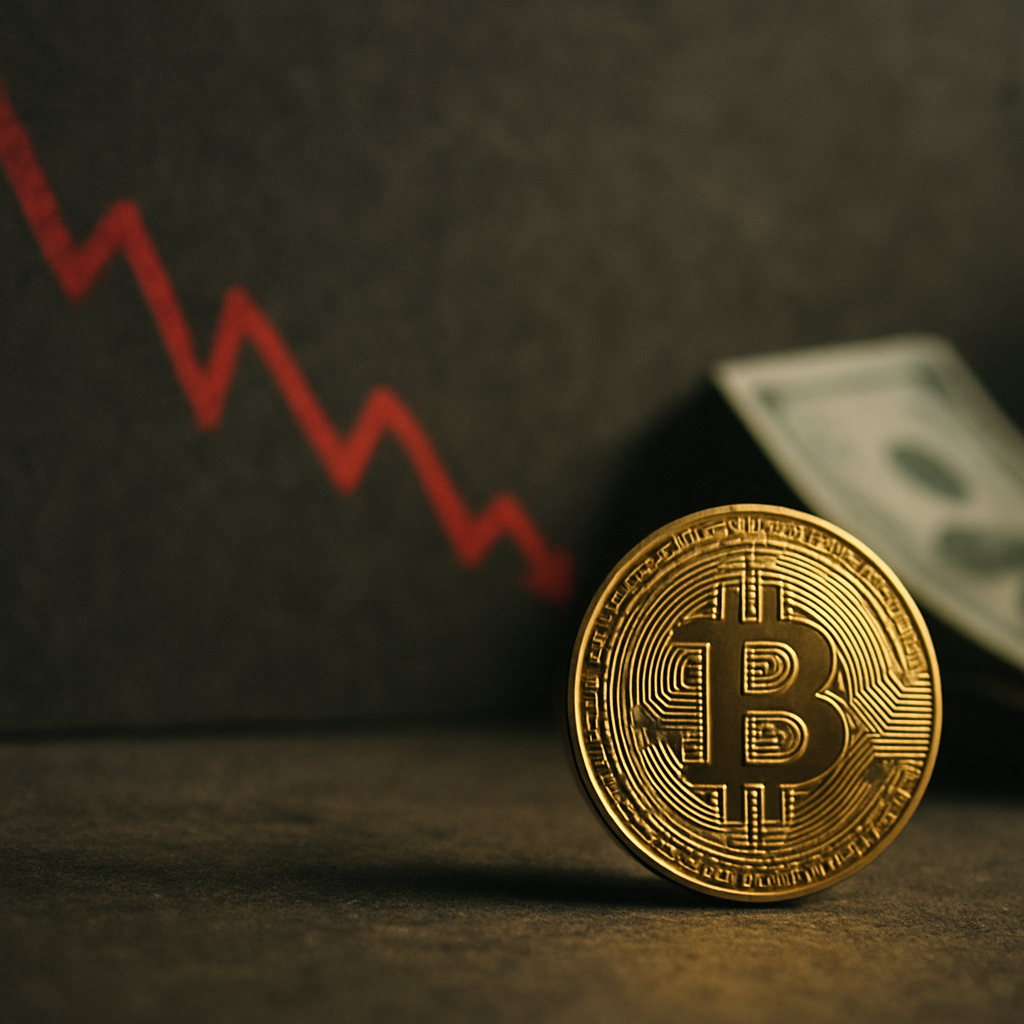
bitcoin and inflation returns as traders reassess bitcoin interest rates, with CPI inflation data and rate expectations driving volatility.
Bitcoin and inflation are sharing the same screen again – and not by accident. Macro traders have stopped treating crypto as a standalone risk asset and started pricing it against the trajectory of U.S. policy once more. The latest inflation print made clear that price pressure is still uncomfortably alive, with energy doing most of the damage and keeping the CPI conversation squarely in focus. That matters because Bitcoin tends to behave less like digital gold when real yields climb and more like a liquidity-sensitive instrument hunting for permission to move. In that setup, bitcoin and inflation are not just a narrative pairing – they are a live input into positioning, leverage, and risk appetite across the market.
The initial reaction is usually mechanical. Higher inflation pushes rate-cut odds further out, which keeps the dollar firmer, Treasury yields elevated, and speculative crypto flows cautious. For traders still wrestling with whether bitcoin inflation hedge logic actually holds, the answer depends entirely on the regime. When policy is loose and real rates are negative, the argument looks compelling. In a world of sticky inflation and restrictive rates, bitcoin and inflation tend to coexist as a headwind rather than a tailwind.
The cleanest way to read the current tape is to separate the price level from the policy response. A hotter inflation reading does not automatically damage Bitcoin on its own – the real transmission channel is what the Federal Reserve decides to do next. In practice, bitcoin and inflation become most relevant to traders the moment they conclude that rate cuts are farther away, not simply because CPI ran hot for a single month. That is precisely why this pairing remains so tightly linked to the broader crypto macro outlook. If easing gets deferred, liquidity conditions stay tight for longer, and Bitcoin’s upside becomes more dependent on flows than on macro sympathy. That is a less forgiving backdrop for a market that still moves heavily on expectations rather than fundamentals.
A second layer runs through the oil channel. When energy prices spike sharply, headline inflation can reaccelerate even while underlying services inflation stays relatively contained. That kind of move stings Bitcoin because it revives fears of policy inertia and keeps bitcoin interest rates front and center in every risk calculation. It also compresses the market’s tolerance for multiple expansions across speculative assets more broadly. For a fuller picture of how macro shocks filter into crypto prices, our Bitcoin Macro Analysis remains a useful lens. The takeaway is straightforward: bitcoin and inflation are not a philosophical debate right now – they are a pricing problem with real consequences.
The inflation-hedge argument survives best as a long-horizon thesis, not as a day-to-day trading rule. Bitcoin’s fixed supply and the credibility of its scarcity narrative still carry weight, but investors frequently confuse scarcity with immediate macro insulation. Those are not the same thing. When inflation is rising because energy costs are surging and the market expects policy to stay restrictive, Bitcoin can sell off sharply even while the long-run monetary argument remains perfectly intact. That is why bitcoin and inflation should be framed as a regime test rather than a slogan. The asset can still function as a store of value over multi-year horizons while behaving like a risk proxy in the short run – and right now, the short run is what traders are navigating.
There is also a structural tension worth acknowledging: Bitcoin competes directly with Treasury bills when policy rates are elevated. Cash-equivalent yields give investors a genuine alternative to holding non-yielding assets. So even if the bitcoin inflation hedge narrative remains theoretically sound, the near-term opportunity cost rises meaningfully when rates stay high. The more relevant question, then, is not whether Bitcoin beats inflation in any given month, but whether the market can hold it above key support levels while liquidity remains restrictive. Our Bitcoin vs Gold Inflation Hedge analysis is a useful companion here – it illustrates why that particular comparison is often overstated and more nuanced than the headlines suggest.
Bitcoin and inflation now function more as a positioning signal than as a rallying cry. If the next round of inflation data comes in firm, the market will likely keep pricing in fewer cuts, stronger yields, and a choppier path for crypto beta. That does not automatically break Bitcoin’s long-term case, but it does make the near-term crypto macro outlook more selective and less forgiving of sloppy entries. Treat rallies with skepticism if they arrive on thin liquidity and without confirmation from broader risk assets. In this environment, bitcoin and inflation reward patience far more than they reward conviction.
Three things are worth watching closely: the next Fed communication, energy-driven moves in headline CPI, and whether spot ETF demand can absorb macro-driven selling pressure. If those flows begin to weaken while inflation stays hot, bitcoin and inflation will remain a drag rather than a catalyst. For a broader read on the policy picture, the Fed Rate Decision Crypto Impact framework is the right place to start.
Focus: bitcoin and inflation are trading like a liquidity test, not a purity test.
James Okafor, DeFi & Emerging Protocols Reporter, The Chain Journal
A weekly briefing on Bitcoin price action, Ethereum, crypto market analysis, Bitcoin ETF flows, regulation, digital assets, and the narratives shaping crypto investing.
One sharp weekly read. No daily alerts. No recycled headlines.




