THE CHAIN JOURNAL
Independent Crypto Editorial

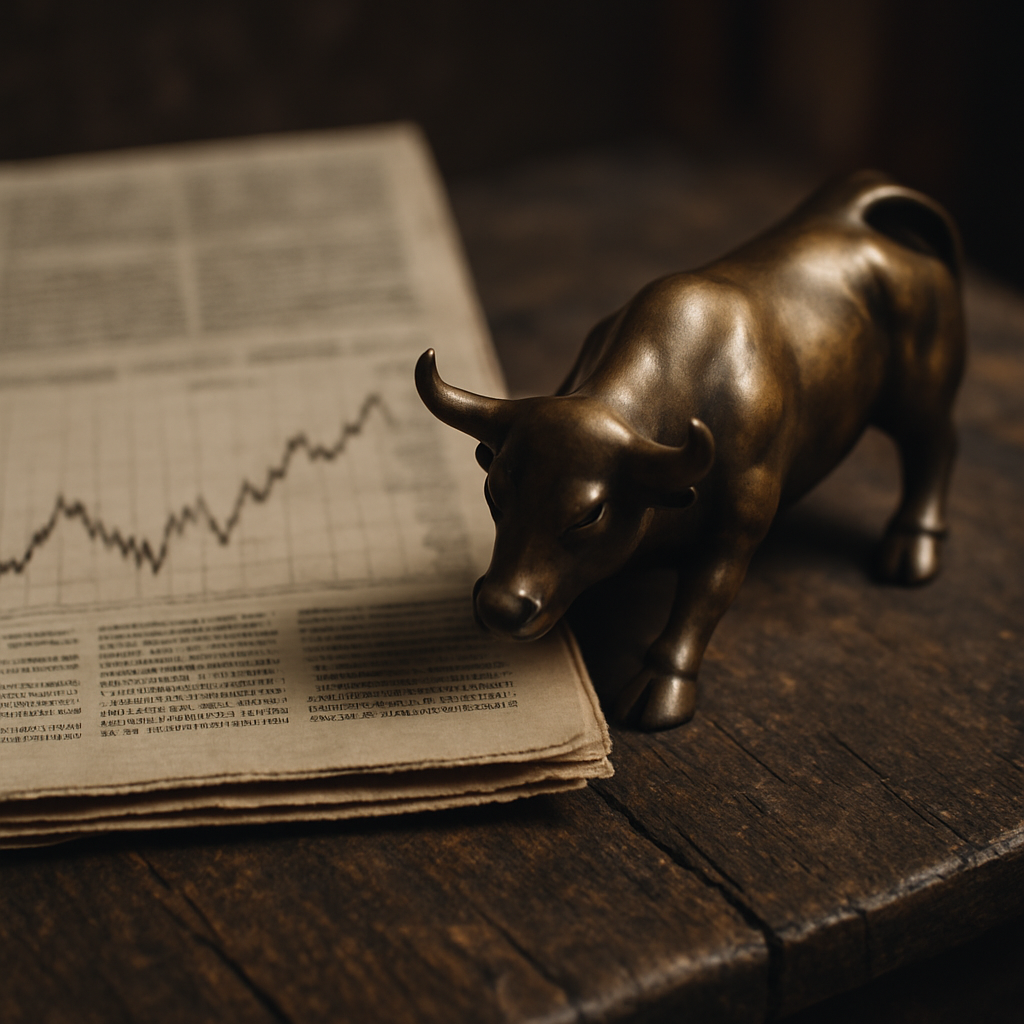
kalshi valuation jumps as prediction markets boom; kalshi raises $1 billion while kalshi $22 billion valuation signals broader event-trading demand.
kalshi valuation has moved from a venture metric to a market signal. The company’s new financing pushed the business to $22 billion, a level that would have looked aggressive for a niche exchange only a year ago. But the price tag matters less than what it says about demand: investors are treating event contracts as a durable financial category, not a novelty. That shift helps explain why kalshi raises $1 billion is now a headline that lands like a structural update rather than a one-off funding story.
The timing is important. Prediction markets have expanded from political curiosity into a broader trading venue for sports, macro releases, entertainment outcomes and policy events. In that sense, kalshi valuation reflects a re-rating of the whole segment, not just one platform. When capital chases a market this quickly, it usually means liquidity is improving, customer behavior is changing, and the early adopter phase is giving way to something more persistent.
Kalshi’s rise fits a larger pattern visible across event-driven trading. Institutional interest has deepened, retail participation has widened, and the product itself has become easier to understand. A market that once seemed too specialized for mainstream capital now looks more like a new wrapper around familiar risk-taking behavior. That is why kalshi $22 billion valuation should be read alongside the broader surge in prediction markets boom, where volume growth and brand recognition reinforce each other. For background on capital flows into digital asset infrastructure, see strong ETF inflows this quarter.
There is also a valuation logic investors tend to miss. The exchange model can scale if trading frequency, category breadth and user retention keep rising together. As tracked by crypto market valuations, the data shows how quickly markets can reprice platforms once activity crosses a threshold. Kalshi is not a token, but the same behavioral rule applies: when traders see depth, they stay longer, and when they stay longer, the market structure becomes more valuable than the individual bets being placed.
The more interesting question is not whether the company deserves a higher number, but whether prediction markets are starting to look like an asset class with its own habits, cycles and participants. The answer appears to be yes, at least in embryonic form. kalshi valuation is rising because the market is beginning to price in repeat usage, institutional legitimacy and a defensible regulatory lane. That is a different proposition from pure hype. It also explains why rival platforms and adjacent exchanges are being watched so closely. For a broader framework on market structure, see crypto market sentiment and how fast narrative can turn into flow.
Still, the sector remains exposed to policy risk. Prediction markets sit in a tense zone between derivatives, gambling and information markets, and regulators will keep testing those boundaries. That tension can suppress multiples as quickly as it can expand them. My view is simple: the market is rewarding the category because it believes distribution, not just novelty, will endure. If that proves true, kalshi valuation may end up looking less like an outlier and more like an early marker of a new financial layer.
For investors, kalshi valuation says something broader about where capital is willing to go next. The premium is not only for growth, but for regulated access to a behavior people already enjoy: expressing a view on uncertain outcomes. That creates a potentially sticky business, but it also means execution matters more now. If trading depth, product quality and legal clarity all improve together, the category can keep compounding. If any one of those breaks, multiples can compress fast.
What to watch next is simple: volume growth, new contract categories, regulatory developments and whether institutional participation keeps rising. If the next round of reporting shows sustained engagement rather than one-time enthusiasm, kalshi valuation will look more justified. If activity cools, the market may decide the premium moved ahead of itself.
Focus: kalshi valuation is now a referendum on whether event trading can become lasting market infrastructure.
Antonio Quinn, Director & Lead Bitcoin Analyst, The Chain Journal
A weekly briefing on Bitcoin price action, Ethereum, crypto market analysis, Bitcoin ETF flows, regulation, digital assets, and the narratives shaping crypto investing.
One sharp weekly read. No daily alerts. No recycled headlines.